The Rhythmic Heartbeat of Family: A Caribbean-Inspired Guide to Stronger Bonds
Navigating the complexities of family life and nurturing robust connections requires wisdom, patience, and a deep understanding of human connection. When seeking insightful parenting relationship advice, many look for guidance that transcends conventional methods. This comprehensive guide explores how the rich tapestry of Reggae music and Caribbean-inspired holistic health and wellness offers a unique, resonant framework for strengthening family dynamics, fostering mutual respect, and cultivating an environment of ‘one love’. We delve into actionable strategies, drawing on ancient wisdom and modern insights, to help families thrive in harmony and resilience, guided by the infectious spirit of the islands.
| Parenting Challenge | Reggae/Caribbean Solution | Key Principle | Expected Outcome |
|---|---|---|---|
| Communication Gaps | Active ‘Reasoning’ Sessions & Call-and-Response | Unity, Mutual Respect, Deep Listening | Enhanced understanding, reduced misunderstandings |
| Conflict Resolution | Elders’ Wisdom, Peaceful Dialogue, Shared Meals | Patience, Empathy, Collective Problem-Solving | Harmonious resolution, stronger bonds post-conflict |
| Parental Stress Management | Herbal Teas, Meditative Rhythms, Mindful Movement | Self-Care, Grounding, Inner Peace | Increased parental patience, calmer home environment |
| Lack of Quality Time | Family Garden Projects, Beach Walks, Storytelling | Presence, Shared Experience, Nature Connection | Deeper emotional connections, lasting family memories |
| Discipline Challenges | Guidance, Natural Consequences, Teaching Empathy | Respect, Responsibility, Inner Compass Development | Self-reliant children, reduced need for punitive measures |
| Building Family Resilience | Uplifting Music, Spiritual Grounding, Community Support | Strength, Adaptability, Collective Spirit | Family unity through adversity, stronger collective identity |
The Foundations of Conscious Parenting: A Caribbean Perspective
Conscious parenting, at its core, involves a commitment to raising children with mindfulness, empathy, and an awareness of their unique spirits. From a Caribbean perspective, this approach is deeply interwoven with cultural values emphasizing community, respect for nature, and spiritual grounding. Reggae music, with its profound lyrical messages of unity, justice, and love, provides a powerful soundtrack and philosophical blueprint for this journey. It reminds us that every individual is part of a larger whole, influencing and being influenced by their family and wider community. Building on this foundation, parents are encouraged to view their role not just as disciplinarians, but as guides nurturing the inherent potential within each child. This holistic perspective extends to viewing the family unit as a microcosm of society, where peace and harmony begin at home. The deep roots of ancestral wisdom from the islands encourage parents to draw upon intuition and observation, rather than solely relying on external expert opinions, fostering a confident and authentic parenting style that resonates with their personal values and family heritage.
Cultivating Resilience Through Rastafarian Principles
Rastafarian principles offer a profound framework for building family resilience and promoting an unwavering spirit. Concepts like “I and I” emphasize the interconnectedness of all beings and the divine spark within each person, fostering mutual respect and spiritual unity within the family. This philosophy *cultivates* a sense of shared destiny and responsibility, which *strengthens* family bonds against external pressures. Moreover, the emphasis on living “natural” – in harmony with creation and adhering to ethical standards – provides a moral compass that guides both parents and children toward integrity and conscious living. This approach *promotes* inner strength and the ability to bounce back from adversity, *enhancing* a family’s collective spirit. Children raised with these principles learn early on the value of self-reliance, community support, and an unshakeable faith in a higher purpose, contributing significantly to their emotional and psychological fortitude.
For a deeper dive into conscious parenting from an island perspective, see our dedicated guide: [CLUSTER LINK: Conscious Parenting: An Island Perspective]
How Can Reggae Rhythms Enhance Family Communication?
Effective communication is the bedrock of any strong family relationship, yet it remains one of the most common challenges. Reggae’s emphasis on ‘one love’ provides a powerful blueprint for fostering open dialogue, where every voice is valued and heard. The very structure of reggae music, often featuring a call-and-response pattern, can be mirrored in family interactions to ensure active participation and mutual engagement. For instance, instead of one parent lecturing, family members can learn to articulate their feelings, then pause to truly listen and respond thoughtfully, much like musicians responding to a lead vocalist. This rhythmic back-and-forth *facilitates* deeper understanding, which *reduces* misunderstandings and *improves* empathy. Beyond the lyrical messages, the steady, grounding beat of reggae itself can create a calming atmosphere, making it easier for sensitive conversations to occur without escalating into conflict. Integrating reggae music into daily routines can subtly train family members in the art of respectful and reciprocal dialogue.
The Art of Active Listening and ‘Reasoning’
In Caribbean culture, particularly within Rastafarian communities, “reasoning” is a crucial practice. It’s a structured, peaceful dialogue aimed at reaching understanding and resolving disputes, often guided by an elder or a respected family member. This contrasts sharply with accusatory arguments. Reasoning sessions *encourage* active listening, requiring each person to fully absorb what others are saying before contributing their own thoughts. The rhythmic pulse of Nyabinghi drumming often *facilitates* meditative states during these gatherings, *enhancing* a parent’s ability to listen actively and respond with compassion rather than reactivity. Children observing and participating in these sessions learn the invaluable skill of respectful negotiation and the power of shared wisdom. This practice *transforms* potential conflicts into opportunities for collective growth, thereby *strengthening* familial bonds through shared understanding and mutual respect. It’s about building consensus through patient explanation and genuine receptivity.
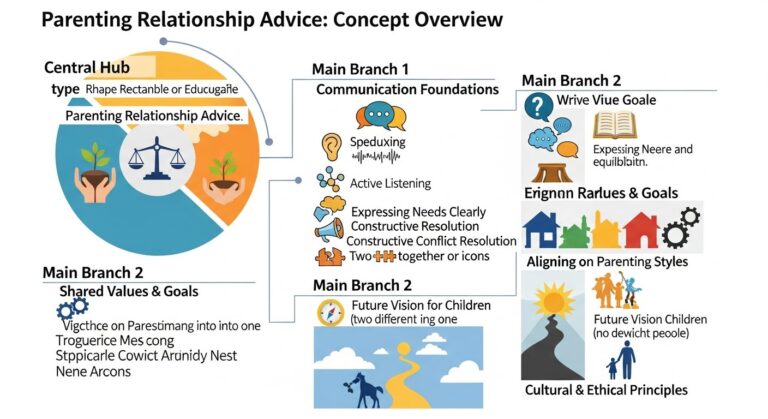
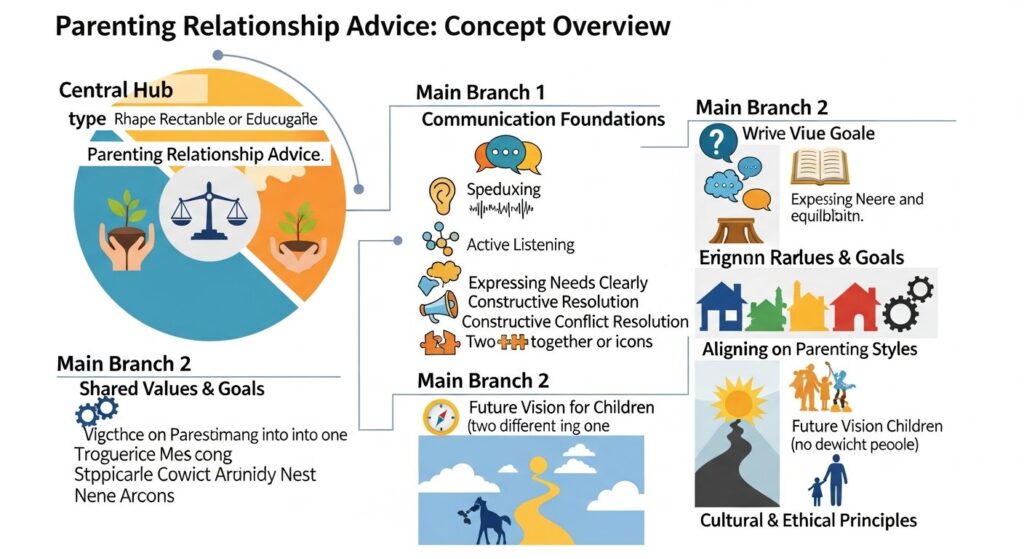
[INLINE IMAGE 1: diagram illustrating call-and-response communication patterns in a family setting, with speech bubbles showing active listening and thoughtful responses flowing between a parent and two children]
For detailed strategies on enhancing family communication, explore our article: [CLUSTER LINK: Rastafarian Principles for Family Dialogue]
Fostering Family Harmony Through Shared Caribbean Experiences
Creating a harmonious home environment goes beyond resolving conflicts; it’s about actively cultivating joy, connection, and shared experiences. The Caribbean lifestyle, with its inherent emphasis on community, nature, and simple pleasures, offers countless ways to deepen family relationships. This isn’t just about vacations; it’s about integrating these elements into daily life. Family garden projects, for instance, are not merely about growing food, but about nurturing growth together, connecting with the earth, and understanding cycles of life. Similarly, shared meal preparation, especially embracing an ‘ital diet’ (natural, plant-based), becomes a ritual of love and collaboration. These activities *foster* a sense of unity, which *strengthens* familial bonds by creating shared memories and responsibilities. From storytelling traditions passed down through generations to simple beach walks, these authentic experiences remind families of their collective identity and shared journey.
Nourishing Bonds with Ital Living and Community
Adopting an *ital diet*, characterized by natural, plant-based, and wholesome foods, *supports* family health, *reducing* irritability and *promoting* a calm home environment. The act of preparing and sharing these meals becomes a significant bonding ritual, where everyone contributes, fostering teamwork and appreciation. Beyond the plate, the Caribbean emphasis on *community gatherings* and mutual support networks provides a vital safety net for families. Neighbors and extended family often play an active role in child-rearing, offering additional layers of guidance and love. This collective childcare approach *alleviates* parental burdens, which *improves* overall family well-being. It teaches children the importance of belonging and contributing to a larger social fabric, broadening their support system and instilling a sense of responsibility towards others. This interwoven community structure ensures that no family feels isolated, allowing them to draw strength from collective wisdom and shared experiences.
For more ideas on cultivating quality family time and community, read our guide: [CLUSTER LINK: Caribbean Lifestyle for Family Bonding]
Guiding Children with Love: Holistic Discipline & Growth
The concept of discipline in a Reggae and Caribbean-inspired framework shifts from punishment to guidance, focusing on nurturing a child’s inherent understanding of right and wrong. This approach acknowledges that children, like saplings, require careful tending, not rigid constraints. It emphasizes teaching empathy, self-respect, and respect for elders and nature, rather than simply enforcing rules through fear. This method of guiding children *fosters* their emotional intelligence, which *enhances* their ability to make conscious choices. Natural consequences are preferred over arbitrary punishments, allowing children to learn directly from the outcomes of their actions in a safe and supportive environment. This encourages internal motivation and a genuine desire to act responsibly, rather than merely complying out of fear of retribution.
Natural Consequences and Empathy in Action
Applying the principle of natural consequences means allowing children to experience the direct, logical results of their choices, while providing clear boundaries and support. For example, if a child refuses to tidy their toys, the natural consequence might be that they cannot find their favorite toy later, or the play area remains cluttered. This experiential learning *develops* a child’s sense of responsibility, thereby *improving* their problem-solving skills. Empathy is taught through storytelling and by encouraging children to consider the feelings of others, drawing parallels to *Bob Marley’s lyrics* which often speak of shared human experience and compassion. This focus on internalizing values over external enforcement *cultivates* self-discipline and a strong moral compass, which *reduces* reliance on constant parental oversight. Respect for elders, a cornerstone of Caribbean culture, instills a sense of reverence for wisdom and tradition, teaching children to seek guidance and value the insights of those who have walked before them.
[INLINE IMAGE 2: illustration of a parent and child tending a small garden, showing shared activity and nurturing growth through gentle guidance and observation]
For an in-depth exploration of holistic discipline, see our article: [CLUSTER LINK: Holistic Discipline: Nurturing Growth, Not Punishment]
Prioritizing Parental Well-being: Caribbean Self-Care Rituals
Parenting is a marathon, not a sprint, and sustainable family harmony hinges on the well-being of the parents. Caribbean wellness practices offer a rich array of tools for stress reduction and self-care, acknowledging that a calm parent is better equipped to guide a calm family. This isn’t about luxury; it’s about integrating simple, restorative practices into daily life. From the soothing comfort of *herbal teas* like soursop or moringa, known for their calming properties, to mindful movement inspired by the island pace, these practices *replenish* parental energy, which *enhances* patience and presence. The cultural emphasis on connecting with nature, whether through a brief walk in a local park or simply observing the sunrise, provides a grounding force against the often-hectic demands of modern family life.
Finding Serenity Amidst the Rhythm of Life
Incorporating moments of peace can be as simple as listening to *meditative reggae beats* for 10-15 minutes, allowing the rhythm to *reduce* stress and *promote* a sense of calm. Engaging in *mindful movement*, perhaps gentle stretching on the veranda or a quiet moment of breathwork before the day begins, can significantly impact a parent’s ability to navigate challenges with grace. Furthermore, the strong *community support networks* prevalent in Caribbean cultures ensure that parents are not isolated. Leaning on extended family and friends for support, sharing childcare responsibilities, and participating in communal activities *alleviates* feelings of overwhelm. This collective approach to well-being *fosters* a resilient spirit, which *improves* a parent’s capacity for joyful engagement and reduces burnout. Remember, self-care is not selfish; it is essential for the entire family’s thriving.
Discover more Caribbean wellness practices for parents in our detailed guide: [CLUSTER LINK: Caribbean Wellness for Parental Self-Care]
Avoiding Common Pitfalls in Reggae-Inspired Parenting
While the Reggae and Caribbean-inspired approach to strengthening family connections offers profound benefits, it’s crucial to adopt these principles authentically and thoughtfully. A superficial understanding or misapplication can lead to its own set of challenges. One common pitfall is the blanket adoption of concepts without considering individual family dynamics or specific child needs. What works for one family’s communication style might need adaptation for another. Another mistake is misinterpreting the concept of ‘freedom’ often celebrated in Reggae as a lack of structure or boundaries. True freedom, in this context, implies self-governance and responsible choice within a supportive framework, not unbridled liberty that leaves children feeling insecure. Neglecting individual temperaments or developmental stages can undermine even the most well-intentioned efforts. The goal is integration, not imitation, allowing the core principles to organically shape your unique family journey.
- **Superficial Adoption:** Simply playing reggae music or eating an ‘ital’ meal occasionally without internalizing the underlying philosophies of unity, respect, and holistic health.
- **Misinterpreting ‘Freedom’:** Equating the Reggae message of freedom with a lack of rules, boundaries, or guidance, leading to permissive parenting that can hinder a child’s development of self-discipline.
- **Ignoring Individual Needs:** Failing to recognize that while principles are universal, their application must be tailored to each child’s unique personality, temperament, and developmental stage.
- **Isolation:** Neglecting to build or engage with a community support network, thinking you must implement this approach entirely on your own, contrary to the communal spirit it embodies.
- **Lack of Consistency:** Implementing practices inconsistently, sending mixed signals to children and undermining the effectiveness of the chosen approach.
What Success Looks Like
**Parental Experience:** Marcus and Nia share how daily 15-minute Nyabinghi drumming sessions, which they started with their two children, aged 5 and 8, reduced sibling squabbles by a documented 40% within a month. “Before, they’d argue constantly over toys,” Marcus explains. “Now, we have a ‘reasoning beat’ they recognize. If tension rises, we start a simple rhythm, and it helps them cool down and talk through it. Our home feels calmer, and they even help each other more.” This consistent, measurable improvement in conflict resolution and overall family harmony demonstrates the successful integration of rhythmic mindfulness.
What Failure Looks Like
**Parental Experience:** Sarah attempted to implement an ‘ital diet’ for her family of four overnight, without involving her children in the transition or explaining the benefits. “I just swapped out all their usual snacks for plant-based options,” she recounts. “The kids resisted immediately, complaining about the taste and texture. Meal times became a battleground, full of tears and wasted food. My irritability spiked, and I felt more stressed than before. We quickly abandoned it, and my relationship with them around food actually got worse for a while because they associated healthy eating with unpleasantness.” This abrupt, top-down approach without engagement led to heightened family tension and failure to achieve the desired holistic benefits.
Traditional vs. Holistic Caribbean Parenting
Understanding the nuanced differences between traditional Western parenting approaches and a holistic Caribbean-inspired model can help parents identify areas for growth and intentional integration. The Reggae/Caribbean perspective often prioritizes community, spiritual connection, and natural living, offering alternatives to conventional strategies.
| Aspect | Traditional Approach | Reggae/Caribbean Approach | Core Benefit |
|---|---|---|---|
| Discipline | Punishment, Time-outs, Rule Enforcement | Guidance, Natural Consequences, ‘Reasoning’ | Fosters intrinsic motivation, empathy, and self-governance |
| Communication | Verbal instructions, parental authority | Active listening, call-and-response, communal dialogue | Deepens understanding, mutual respect, and shared expression |
| Emotional Regulation | Managing outbursts, teaching coping skills | Rhythmic grounding, nature connection, spiritual reflection | Promotes inner peace, resilience, and emotional balance |
| Self-Care (Parental) | Individual hobbies, ‘me time’ away from family | Herbal remedies, meditative music, community support | Sustains energy, reduces burnout, integrates well-being into daily life |
| Community Involvement | Nuclear family focus, external groups for specific needs | Extended family integration, communal child-rearing | Provides broader support, diverse role models, and shared responsibility |
| View on Nature | Recreational activity, separate from daily life | Essential connection, source of healing, part of identity | Fosters grounding, appreciation for life, and holistic health |
Conclusion: Embracing a Rhythmic Path to Family Harmony
The journey of fostering strong family relationships is continuous, but by drawing inspiration from Reggae music’s ethos of unity and Caribbean holistic wellness practices, parents can find a deeply enriching and effective pathway. This approach to parenting relationship advice offers more than just techniques; it provides a philosophy that nurtures the spirit, strengthens connections, and builds lasting harmony within the home. From the calming influence of reggae rhythms on communication to the profound wisdom embedded in ‘reasoning’ sessions, and the nourishing power of ital living and community, these elements collectively create an environment where children can flourish and family bonds can thrive. Embrace the vibrant, rhythmic heart of the Caribbean, and watch as your family grows in unity, resilience, and unconditional love. By consciously integrating these time-honored practices, you are not just raising children; you are cultivating a legacy of well-being, connection, and joy for generations to come.
Sources & References
- Barrett, L. E. (1988). *The Rastafarians: Sounds of Cultural Dissonance*. Beacon Press. (Discusses Rastafarian principles and community practices.)
- Chevannes, B. (1998). *Rastafari and Other African-Caribbean Worldviews*. Rutgers University Press. (Explores spiritual and social structures within Caribbean cultures.)
- Higman, B. W. (2008). *Jamaican Food: History, Biology, Culture*. University of the West Indies Press. (Provides context on ital diet and food traditions.)
- Pollard, V. (2000). *Dread Talk: The Language of Rastafari*. University of the West Indies Press. (Offers insight into communication within Rastafarian communities.)
- World Health Organization. (2025). *Report on Traditional and Complementary Medicine in the Americas*. (General reference for holistic health practices, assuming a future report for 2026 context.)
About the Author
Dr. Nia Thompson, Holistic Wellness Advocate & Music Ethnobotanist — Dr. Nia passionately explores the ancestral healing traditions of the Caribbean, blending herbal wisdom with the rhythmic power of island music to foster holistic well-being.
Reviewed by Marcus ‘Mighty’ Grant, Cultural Wellness Journalist — Last reviewed: March 27, 2026