Your 2026 Blueprint: Naturally Boosting Your Immune System for a Resilient You
The Foundation: Nourishing Your Immune System from Within
Your immune system is a sophisticated network, and like any complex system, it requires premium fuel to operate at its best. What you put into your body directly impacts its ability to fend off invaders and maintain overall health. A nutrient-dense diet isn’t just about avoiding illness; it’s about thriving.
Embrace the Rainbow with Whole Foods:
The cornerstone of immune-boosting nutrition is a diverse diet rich in whole, unprocessed foods. Fruits, vegetables, whole grains, legumes, nuts, and seeds provide a symphony of vitamins, minerals, antioxidants, and fiber essential for immune function. Each color on your plate often signifies different phytonutrients, powerful plant compounds that protect cells and support immune responses. For instance, the vibrant reds and purples of berries are packed with anthocyanins, while the greens of spinach and kale offer a wealth of vitamins A, C, and K.
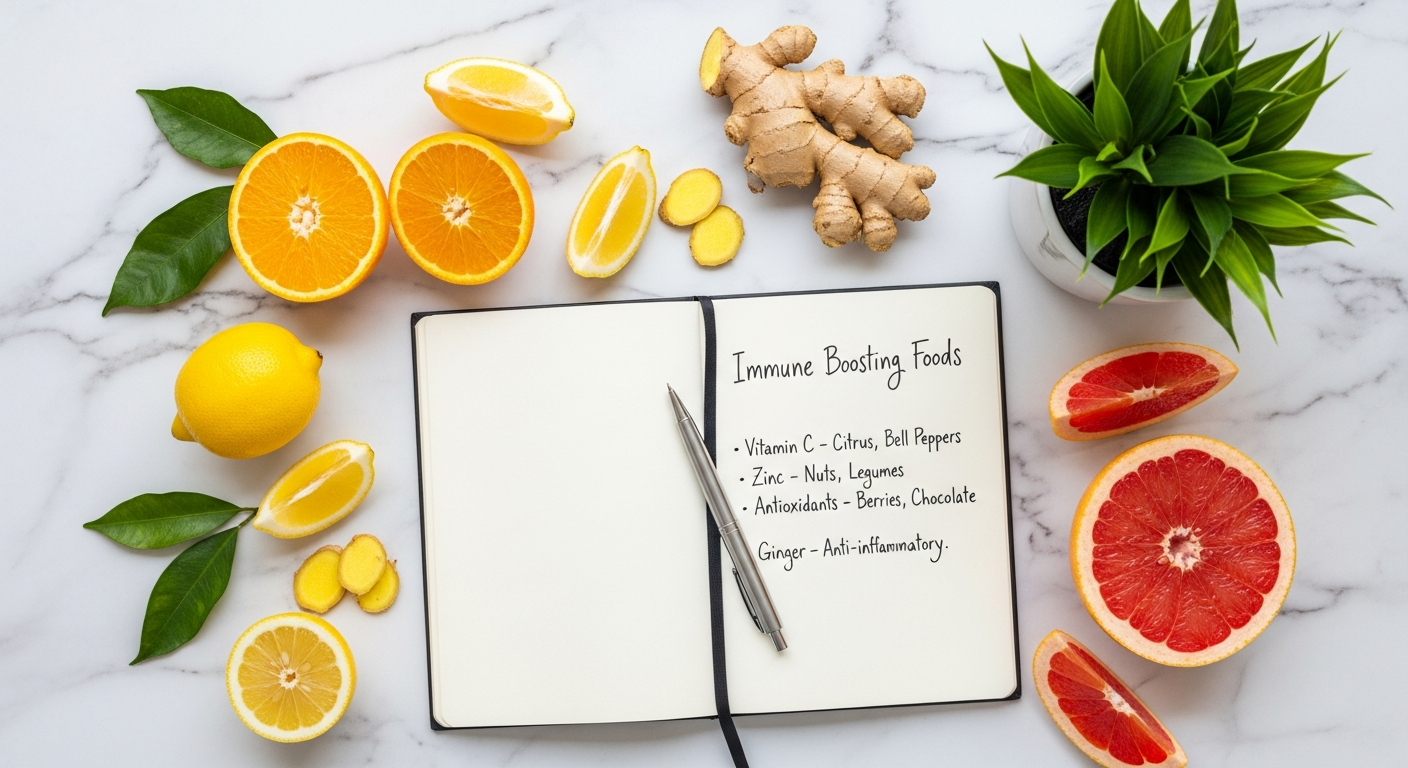
- Vitamin C: A powerful antioxidant found in citrus fruits, bell peppers, strawberries, and broccoli. It supports the production and function of various immune cells.
- Vitamin D: Often called the “sunshine vitamin,” Vitamin D plays a crucial role in modulating immune responses. Good sources include fatty fish (salmon, mackerel), fortified dairy products, and sunlight exposure. Many people are deficient, especially in darker months, making supplementation a consideration after consulting a healthcare professional.
- Zinc: Essential for immune cell development and function. Found in lean meats, shellfish, legumes, nuts, and seeds. Zinc deficiency can impair immune responses.
- Selenium: An antioxidant mineral important for immune cell function. Brazil nuts, seafood, and whole grains are good sources.
- B Vitamins: A complex of vitamins, including B6, B9 (folate), and B12, are vital for immune cell production and energy metabolism. You can find them in leafy greens, eggs, legumes, and fortified cereals.
Practical Steps:
Start by making half your plate fruits and vegetables at every meal. Experiment with new recipes that feature seasonal produce. Swap processed snacks for fresh fruit, a handful of nuts, or vegetable sticks with hummus. Consider a daily smoothie packed with berries, spinach, and a plant-based protein for a nutrient boost.
Move Your Body, Boost Your Immunity: The Power of Physical Activity
Our bodies were designed to move, and regular physical activity is a potent, natural immune enhancer. Think of exercise as a gentle internal massage that keeps your immune system circulating efficiently, ready to respond to threats.
How Exercise Works Its Magic:
Moderate exercise helps flush bacteria out of the lungs and airways, potentially reducing your chances of getting a cold or flu. It also causes changes in antibodies and white blood cells, which are the immune system’s soldiers. These immune cells circulate more rapidly during and after exercise, meaning they’re better able to detect and fight off pathogens. Furthermore, the temporary rise in body temperature during exercise may help inhibit bacterial growth and fight infection, similar to a fever.
Crucially, the key here is moderate and regular activity. While a single intense workout can temporarily suppress immune function, consistent moderate exercise over time strengthens it. Overtraining, on the other hand, can lead to increased stress hormones and potentially weaken your immune system.
Types of Immune-Boosting Movement:
Aim for at least 150 minutes of moderate-intensity aerobic activity or 75 minutes of vigorous-intensity aerobic activity per week, along with muscle-strengthening activities on two or more days.
- Aerobic Exercise: Brisk walking, jogging, swimming, cycling, dancing, hiking. These activities get your heart rate up and blood flowing.
- Strength Training: Lifting weights, bodyweight exercises (push-ups, squats, lunges), resistance bands. Building muscle mass supports overall metabolic health and can indirectly benefit immunity.
- Mind-Body Practices: Yoga, Tai Chi. These combine physical movement with breathwork and mindfulness, reducing stress (a known immune suppressor) while improving flexibility and strength.
Realistic Examples:
Can’t commit to an hour-long gym session? Break it up! Take three 10-minute brisk walks throughout your day. Dance to your favorite reggae tunes for 20 minutes in your living room. Walk your dog an extra block. Even gardening or taking the stairs instead of the elevator adds up. The goal is consistency and finding movement you genuinely enjoy, making it a sustainable part of your daily rhythm for 2026 and beyond.
Rest, Recharge, and Repair: The Critical Role of Sleep
In our fast-paced world, sleep often feels like a luxury, but for your immune system, it’s a non-negotiable necessity. Skimping on sleep is like asking your body to fight a battle with half its army. During sleep, your body isn’t just resting; it’s actively repairing, rebuilding, and producing vital immune protective proteins called cytokines.
The Immune-Sleep Connection:
When you’re sleep-deprived, your body produces fewer infection-fighting antibodies and immune cells. Studies have shown that people who don’t get enough quality sleep are more likely to get sick after being exposed to a virus, and it can also affect how quickly you recover. Chronic sleep deprivation can also lead to increased inflammation, further taxing your immune system.
Aim for 7-9 Hours of Quality Sleep:
Most adults need 7 to 9 hours of sleep per night. It’s not just about the quantity, but also the quality. Interrupted or restless sleep can be just as detrimental as too few hours.
Cultivating a Sleep Sanctuary and Routine:
Improving your sleep hygiene can make a profound difference:
- Stick to a Schedule: Go to bed and wake up at roughly the same time every day, even on weekends. This helps regulate your body’s natural sleep-wake cycle (circadian rhythm).
- Optimize Your Environment: Make your bedroom dark, quiet, and cool. Blackout curtains, earplugs, or a white noise machine can be helpful.
- Limit Screen Time: The blue light emitted from phones, tablets, and computers can interfere with melatonin production, the hormone that signals your body it’s time to sleep. Aim to power down screens at least an hour before bed.
- Avoid Stimulants: Limit caffeine and nicotine, especially in the afternoon and evening. Alcohol might make you feel sleepy initially, but it disrupts sleep quality later in the night.
- Establish a Wind-Down Routine: Engage in relaxing activities before bed, such as reading a book, taking a warm bath, gentle stretching, or listening to calming music.
Prioritizing sleep is one of the most powerful, yet often overlooked, strategies for a robust immune system. Give your body the rest it deserves, and it will repay you with resilience.
Mind-Body Connection: Stress Management and Immunity
The mind and body are intricately linked, and nowhere is this more evident than in the relationship between stress and your immune system. While acute stress can temporarily rev up your immune response, chronic, unmanaged stress acts like a constant drain, gradually weakening your body’s defenses.
The Impact of Chronic Stress:
When you’re constantly stressed, your body produces an excess of stress hormones like cortisol. While cortisol is useful in short bursts, sustained high levels can suppress the immune system, reducing the number of lymphocytes (white blood cells that fight infection) and impairing their function. This makes you more susceptible to illnesses and can slow down recovery.
Cultivating Inner Calm for Outer Strength:
Managing stress isn’t about eliminating it entirely (that’s impossible!), but about developing healthy coping mechanisms and building emotional resilience. There are many effective strategies:
- Mindfulness and Meditation: Even a few minutes a day can make a difference. Mindfulness involves bringing your attention to the present moment without judgment. Meditation practices, whether guided or silent, can help calm the nervous system and reduce cortisol levels. Apps like Headspace or Calm offer guided meditations.
- Deep Breathing Exercises: Simple yet powerful. Techniques like diaphragmatic breathing (belly breathing) activate the parasympathetic nervous system, promoting relaxation. Inhale slowly through your nose, feeling your belly rise, hold for a few seconds, then exhale slowly through your mouth.
- Yoga and Tai Chi: These ancient practices combine physical postures, breathing techniques, and meditation, effectively reducing stress and improving overall well-being.
- Time in Nature (Forest Bathing): Spending time outdoors, especially in green spaces, has been shown to reduce stress hormones, lower blood pressure, and even boost natural killer (NK) cell activity, a type of immune cell that fights viruses and tumor cells.
- Creative Expression: Engaging in hobbies like painting, writing, playing music, or even cooking can be incredibly therapeutic and stress-reducing.
- Social Connection: While it might seem unrelated, strong social ties and a sense of community can significantly buffer the effects of stress. Laughter and genuine connection release endorphins and oxytocin, hormones that promote well-being and reduce stress.
Realistic Example:
Start with small, manageable practices. Dedicate 5 minutes each morning to deep breathing or a gratitude journal. Take a 15-minute walk in a local park during your lunch break. Schedule regular phone calls or meet-ups with friends and family. These consistent, small acts of self-care accumulate into significant immune-boosting benefits over time.
Gut Health: Your Immune System’s Command Center
Did you know that a significant portion – around 70-80% – of your immune system resides in your gut? This incredible connection, known as the gut-immune axis, means that a healthy gut microbiome (the community of bacteria and other microorganisms living in your intestines) is paramount for a robust immune response.
The Microbiome’s Immune Role:
Your gut bacteria do far more than just help digest food. They train your immune cells, produce essential vitamins, and create a protective barrier against pathogens. A diverse and balanced microbiome helps your immune system distinguish between harmful invaders and harmless substances, preventing both infections and overreactions (like allergies or autoimmune conditions).
When the balance of good and bad bacteria is disrupted (dysbiosis), it can lead to increased inflammation and a weakened immune system, making you more susceptible to illness.
Nourishing Your Gut Microbiome:
The best way to cultivate a healthy gut is through your diet:
- Prebiotic-Rich Foods: Prebiotics are types of fiber that act as food for your beneficial gut bacteria. Incorporate foods like garlic, onions, leeks, asparagus, bananas, oats, apples, and flaxseeds into your diet.
- Probiotic-Rich (Fermented) Foods: These foods contain live beneficial bacteria that can replenish and diversify your gut microbiome. Examples include:
- Yogurt and Kefir: Look for varieties with “live and active cultures” and minimal added sugar.
- Sauerkraut and Kimchi: Fermented cabbage dishes that are potent sources of probiotics.
- Miso and Tempeh: Fermented soy products popular in Asian cuisine.
- Kombucha: A fermented tea (choose low-sugar options).
- Fiber-Rich Plant Foods: A diverse range of fruits, vegetables, whole grains, and legumes provides different types of fiber, supporting a broader array of beneficial gut microbes.
- Limit Processed Foods and Sugar: These can feed harmful bacteria and promote inflammation, negatively impacting your gut health.
Practical Tip:
Gradually introduce fermented foods into your diet. Start with a small serving of yogurt or sauerkraut daily. Experiment to find which ones you enjoy. If you’re considering probiotic supplements, consult with a healthcare professional, as the effectiveness can vary greatly depending on the strains and individual needs.
Hydration, Connection, and Conscious Living: Holistic Boosters
Beyond the core pillars, several other aspects of a mindful, healthy lifestyle contribute significantly to a strong immune system. These are the threads that weave together to create a truly resilient tapestry of well-being.
Stay Hydrated: The Elixir of Life
Water is fundamental to every bodily function, including immune health. It helps transport nutrients to your cells, carries oxygen to your blood, and flushes toxins and waste products from your body. Dehydration can impair these processes, potentially weakening your defenses. Aim for at least 8 glasses (about 2 liters) of water daily, more if you’re active or in a hot climate. Keep a water bottle handy as a constant reminder.
Nurture Social Connections: Your Community, Your Immunity
Humans are social creatures, and meaningful connections are vital for both mental and physical health. Studies suggest that loneliness and social isolation can lead to increased stress hormones and inflammation, negatively impacting immune function. Conversely, strong social ties, a sense of belonging, and even laughter can boost mood and immune resilience. Make time for loved ones, join a community group, or volunteer – these acts of connection are powerful immune allies.
Minimize Toxin Exposure: Lightening the Load
Our bodies are constantly exposed to environmental toxins in the air, water, food, and household products. While completely avoiding them is impossible, reducing your exposure can lessen the burden on your immune system, allowing it to focus on more critical threats. Consider using natural cleaning products, choosing organic foods when possible, ensuring good ventilation in your home, and filtering your drinking water.
Practice Moderation (Especially with Alcohol):
Excessive alcohol consumption can suppress immune function, making you more vulnerable to infections. It can also disrupt gut health and sleep patterns, indirectly weakening your defenses. If you choose to drink, do so in moderation.
Embrace the Power of Laughter:
Laughter truly is good medicine! It reduces stress hormones, increases the number of antibody-producing cells, and enhances the activity of T-cells. Seek out humor, share jokes, watch a funny movie – a hearty laugh is a simple, joyful way to give your immune system a boost.