Reclaim Your Rhythm: A Comprehensive Guide to Healing Burnout and Thriving in 2026
Understanding Burnout: More Than Just Stress
Before we can heal, we must first understand. Burnout is often misunderstood, frequently lumped in with general stress or fatigue. However, while stress can contribute to burnout, they are distinct experiences. The World Health Organization (WHO) officially recognized burnout in its International Classification of Diseases (ICD-11) as an “occupational phenomenon,” characterized by three dimensions:
- Feelings of energy depletion or exhaustion: This isn’t just a need for a good night’s sleep; it’s a deep, pervasive fatigue that even rest doesn’t seem to touch.
- Increased mental distance from one’s job, or feelings of negativism or cynicism related to one’s job: You might feel detached, disengaged, or even resentful towards your work or other significant commitments. This is often called depersonalization.
- Reduced professional efficacy: A sense of ineffectiveness and lack of accomplishment, even when you’re working hard. You might doubt your abilities or feel like nothing you do makes a difference.
Stress, on the other hand, typically involves over-engagement, urgency, and hyper-reactivity. You might feel overwhelmed, but you’re still trying to cope. Burnout is characterized by disengagement, helplessness, and hopelessness. It’s when your coping mechanisms have been completely depleted, and you feel like you have nothing left to give.
Common Signs and Symptoms
Burnout manifests in various ways, impacting your physical, emotional, and cognitive well-being. Recognizing these signs is the first step toward recovery:
- Physical: Chronic fatigue, frequent headaches, muscle pain, digestive issues, weakened immune system (getting sick often), changes in appetite or sleep patterns.
- Emotional: Feelings of failure and self-doubt, cynicism, detachment, hopelessness, irritability, anxiety, depression, loss of motivation.
- Cognitive: Difficulty concentrating, memory problems, indecisiveness, reduced creativity.
- Behavioral: Procrastination, social withdrawal, increased use of coping mechanisms (alcohol, excessive screen time), neglecting responsibilities.
If these descriptions resonate, take heart. Acknowledging these symptoms is a powerful act of self-awareness and the essential starting point for your healing journey.
Phase 1: Acknowledging and Pausing – The Essential First Steps

The first, and often most challenging, step in recovering from burnout is to genuinely acknowledge its presence and grant yourself permission to pause. We live in a culture that often glorifies constant productivity, making a pause feel like a failure. But for burnout recovery, it’s a necessity, not a luxury.
Step-by-Step Guidance:
- Honest Self-Assessment: Take some time – perhaps with a journal or in a quiet space – to honestly reflect on your current state. How do you truly feel? What specific symptoms are you experiencing? Try to pinpoint when these feelings began and what might have triggered them. Don’t judge, just observe.
- Grant Yourself Permission to Pause: This is a mental shift. Understand that stepping back is not quitting; it’s strategically regrouping so you can return stronger. Tell yourself, “It’s okay to not be okay right now. It’s okay to slow down.”
- Identify Core Triggers: While burnout is multifaceted, there are usually primary culprits. Is it an overwhelming workload? A toxic work environment? A lack of control or recognition? Unrealistic expectations (yours or others’)? Family demands? Pinpointing these helps you develop targeted solutions later.
- Communicate Boundaries (Where Possible): This can be daunting, but it’s vital.
- At Work: If feasible, have an honest conversation with your manager or HR. Focus on facts and solutions: “I’ve been experiencing significant fatigue and a drop in focus. I need to take a few days off to reset, or explore options for temporarily reducing my workload.”
- At Home: Talk to your partner, family, or housemates. Explain that you’re experiencing burnout and need their understanding and support. Delegate tasks, ask for help, and be clear about your need for quiet time.
- Schedule a “Burnout Break”: This doesn’t have to be a two-week vacation to a tropical island (though that would be lovely!). It could be a long weekend, a few days off work, or even just dedicating an entire weekend to absolute rest and minimal commitments. The key is intentional disengagement from stressors.
Research Insight: Studies on the benefits of “micro-breaks” and intentional rest periods show improved cognitive function and reduced stress levels. Even short, deliberate pauses can prevent the accumulation of stress that leads to full-blown burnout.
Phase 2: Rebuilding Your Foundation – Nourishing Mind, Body, and Spirit
Once you’ve paused, the real work of rebuilding begins. This phase focuses on the fundamental pillars of health that often erode during periods of intense stress and burnout. Think of it as laying a robust foundation for your future well-being.
Step-by-Step Guidance:
- Prioritize Rest and Sleep: This is non-negotiable. Burnout is fundamentally an energy crisis.
- Sleep Hygiene: Aim for 7-9 hours of quality sleep. Establish a consistent sleep schedule (even on weekends). Create a relaxing bedtime routine: dim lights, warm bath, herbal tea, reading (not screens).
- Power Naps: If possible, a 20-30 minute power nap can be incredibly restorative, but avoid long naps that interfere with nighttime sleep.
Research Insight: Sleep deprivation impairs cognitive function, emotional regulation, and physical health. Restoring sleep is paramount for neurological recovery and resilience against stress.
- Mindful Movement: Gentle, intentional physical activity can be a powerful antidote to burnout, without adding more stress.
- Start Small: Don’t jump into intense workouts. Begin with a 20-minute walk in nature, gentle yoga, stretching, or Tai Chi.
- Listen to Your Body: The goal isn’t to push yourself, but to move in a way that feels nourishing and energizing, not depleting.
- Connect with Nature: “Forest bathing” (Shinrin-yoku) research shows that spending time in nature reduces stress hormones, lowers blood pressure, and boosts mood. Even a walk in a local park can make a difference.
- Nutrient-Rich Fuel & Hydration: What you put into your body directly impacts your energy levels, mood, and cognitive function.
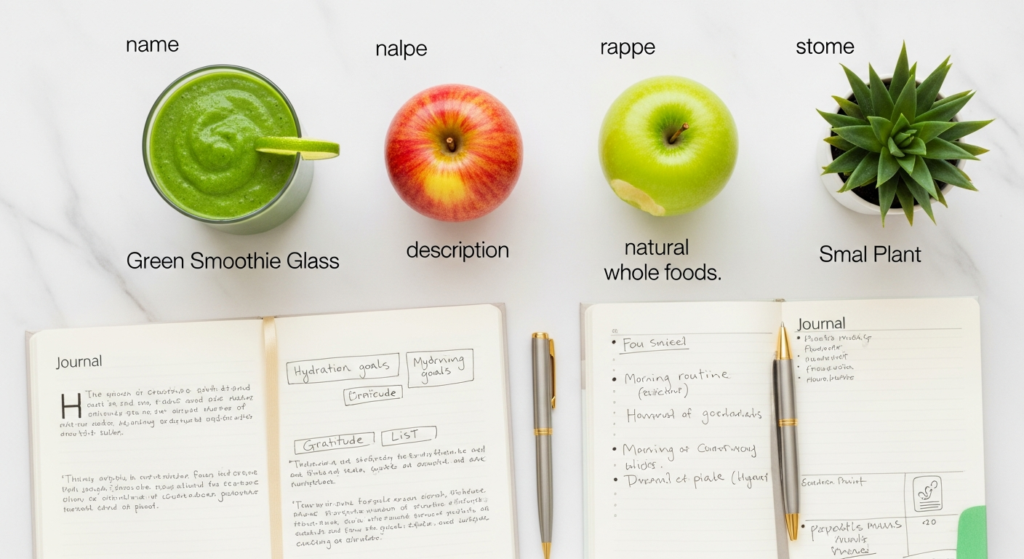
- Whole Foods Focus: Prioritize fruits, vegetables, lean proteins, and whole grains. These provide sustained energy and essential nutrients.
- Limit Processed Foods, Sugar, and Caffeine: While tempting for a quick boost, these can lead to energy crashes and exacerbate anxiety.
- Hydrate: Drink plenty of water throughout the day. Dehydration can cause fatigue, headaches, and poor concentration.
- Digital Detox & Boundaries: Our hyper-connected world often fuels burnout.
- Scheduled Unplugging: Designate specific times each day or week when you completely disconnect from screens – no work emails, no social media scrolling.
- Screen-Free Zones: Make your bedroom a screen-free sanctuary. Avoid screens for at least an hour before bed.
- Notifications Control: Turn off non-essential notifications to reduce constant interruptions and the feeling of always being “on call.”
This phase is about returning to basics, giving your body and mind the fundamental care they need to begin healing. Be patient and consistent; small, consistent efforts yield significant results over time.
Phase 3: Reconnecting and Re-engaging – Finding Meaning and Support

As your foundational well-being begins to stabilize, the next phase involves consciously re-engaging with life in meaningful ways, rebuilding connections, and finding sources of joy and purpose that were lost during burnout. This is about nurturing your spirit and reminding yourself of what truly matters.
Step-by-Step Guidance:
- Cultivate Meaningful Connections: Burnout often leads to social withdrawal, but human connection is a powerful buffer against stress and loneliness.
- Reach Out: Connect with trusted friends, family, or mentors. Share what you’re going through. Simply talking to someone who listens without judgment can be incredibly therapeutic.
- Join a Community: If you feel isolated, consider joining a local club, group, or volunteer organization that aligns with your interests. Even online communities can offer support, but prioritize in-person interactions when possible.
Research Insight: Strong social support networks are consistently linked to better mental health outcomes, reduced stress, and increased longevity. Humans are social creatures; isolation exacerbates burnout.
- Re-discover Hobbies & Joyful Activities: What used to light you up before burnout set in? Reconnecting with activities purely for pleasure, without pressure or obligation, is crucial for restoring your sense of self and joy.
- Brainstorm: Make a list of things you used to love doing – reading, playing music, gardening, cooking, hiking, creating art, dancing.
- Schedule “Joy Appointments”: Actively schedule time for these activities, treating them with the same importance as any other commitment. Start small, even 15-30 minutes.
- Embrace Play: Allow yourself to be playful and spontaneous. Laughter is powerful medicine.
- Mindfulness & Meditation Practices: These techniques help you step out of the cycle of rumination and worry, bringing you back to the present moment and fostering a sense of calm.
- Start Simple: Begin with 5-10 minutes of guided meditation daily. Apps like Calm or Headspace can be excellent resources.
- Mindful Breathing: Practice deep, diaphragmatic breathing. Inhale slowly through your nose, letting your belly expand, then exhale slowly through your mouth. This activates your parasympathetic nervous system, promoting relaxation.
- Mindful Moments: Integrate mindfulness into daily tasks – savor your morning coffee, really taste your food, notice the sensations of walking.
Research Insight: Numerous studies demonstrate that regular mindfulness practice reduces perceived stress, anxiety, and symptoms of depression, while improving emotional regulation and cognitive flexibility.
- Seek Professional Support: There is immense strength in recognizing when you need help and reaching out for it.
- Therapy/Counseling: A therapist can provide a safe space to process your feelings, identify underlying patterns, and develop coping strategies. Cognitive Behavioral Therapy (CBT) and Acceptance and Commitment Therapy (ACT) are often effective for burnout.
- Coaching: A professional coach can help you clarify your values, set boundaries, and develop actionable plans for work-life integration and career satisfaction.
- Medical Check-up: Rule out any underlying physical health issues that might be contributing to your fatigue.
This phase is about gently re-engaging with the world and yourself, not by pushing, but by allowing joy, connection, and peace to flow back into your life.
Phase 4: Building Resilience for the Long Haul – Sustainable Strategies for 2026 and Beyond
Recovery from burnout isn’t just about getting back to where you were; it’s about building a stronger, more resilient foundation so you can thrive without falling back into old patterns. This phase focuses on creating sustainable habits and protective mechanisms for your well-being in 2026 and for years to come.
Step-by-Step Guidance:
- Boundary Setting Mastery: This is arguably the most critical skill for preventing future burnout.
- Learn to Say “No”: Practice politely declining requests that don’t align with your priorities or capacity. “I appreciate you thinking of me, but I won’t be able to take that on right now.”
- Protect Your Time: Block out “focus time” in your schedule, turn off email notifications after hours, and create clear distinctions between work and personal life.
- Define Your “Enough”: Understand what “enough” looks like for you in terms of workload, social commitments, and personal projects. Resist the urge to constantly do more.
Realistic Example: Instead of checking work emails “just for a minute” before bed, commit to turning off your work phone/computer at 6 PM and not touching it until the next morning. It takes practice, but it’s transformative.
- Work-Life (Re)Integration: Instead of a strict “balance” (which can feel elusive), think about how your work and life can integrate in a healthy, sustainable way that honors your energy and values.
- Manage Workload: Regularly assess your tasks. Can anything be delegated, automated, or eliminated? Prioritize ruthlessly using frameworks like the Eisenhower Matrix (Urgent/Important).
- Seek Autonomy: Where possible, advocate for more control over your work, schedule, or projects. Research shows that autonomy significantly reduces burnout risk.
- Regular Check-ins: Schedule weekly or monthly “check-in” meetings with yourself to assess your energy levels, workload, and overall satisfaction. Adjust as needed.
- Purpose & Values Alignment: Burnout often occurs when there’s a significant mismatch between what you do and what you deeply value.
- Identify Core Values: What truly matters to you? (e.g., creativity, connection, security, growth, impact, freedom).
- Evaluate Alignment: How well do your daily activities, especially your work, align with these values?
- Make Adjustments: If there’s a major disconnect, explore ways to bring your life more in line with your values, whether through job crafting, seeking new opportunities, or finding meaning outside of work.
- Continuous Learning & Growth Mindset: View setbacks and challenges not as failures, but as opportunities for learning and growth.
- Self-Compassion: Be kind to yourself when you inevitably stumble. Treat yourself with the same understanding you’d offer a friend.
- Reflect and Adapt: After a challenging period, reflect on what happened, what you learned, and how you can adapt your strategies moving forward.
- Embrace Imperfection: Striving for perfection is a fast track to burnout. Accept that “good enough” is often truly good enough.
Building resilience is an ongoing practice, not a destination. It requires self-awareness, consistent effort, and a commitment to protecting your most valuable asset: your well-being. By integrating these strategies, you’re not just recovering from burnout; you’re building a life where you can truly thrive.