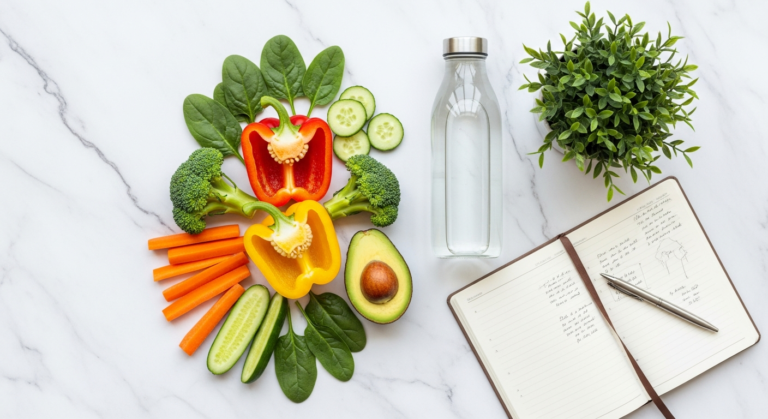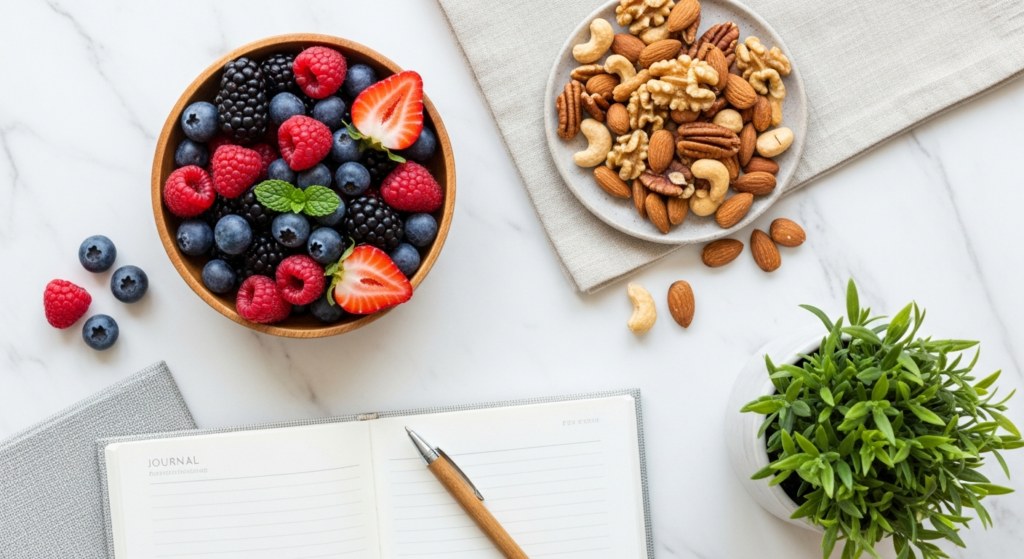
- Eat more: Fatty fish (salmon, mackerel), leafy greens, berries, olive oil, nuts, turmeric, ginger
- Reduce: Processed sugars, refined carbs, trans fats, processed meats
- Best evidence: Mediterranean diet (PREDIMED trial, NEJM 2013, n=7,447) — 30% CVD event reduction
- Key biomarkers: CRP and IL-6 reduced by 20-40% with consistent dietary changes over 12 weeks
Anti-Inflammatory vs. Pro-Inflammatory Foods
| Category | Anti-Inflammatory (Prioritize) | Pro-Inflammatory (Limit) |
|---|---|---|
| Fats & Oils | Extra virgin olive oil, avocado oil, fatty fish (omega-3) | Partially hydrogenated oils, excess seed oils (omega-6) |
| Proteins | Salmon, sardines, legumes, tempeh, chicken breast | Processed meats, hot dogs, deli meats, fried chicken |
| Carbohydrates | Whole grains, quinoa, sweet potato, oats, berries | White bread, white rice, pastries, sugary cereals |
| Herbs & Spices | Turmeric, ginger, garlic, cinnamon, rosemary | Excessive salt, artificial flavor additives |
| Beverages | Green tea, black coffee (moderate), water | Sugary sodas, energy drinks, excessive alcohol |
Frequently Asked Questions: Anti-Inflammatory Diet
What foods reduce inflammation the fastest?
Foods with fastest anti-inflammatory effects: omega-3-rich fatty fish (salmon, sardines), turmeric with black pepper (curcumin + piperine), extra virgin olive oil (oleocanthal), and dark leafy greens. Studies show measurable CRP reductions within 4-8 weeks of consistent inclusion.
What is the best anti-inflammatory diet in 2026?
The Mediterranean diet has the strongest evidence base. The PREDIMED trial (NEJM 2013, n=7,447) showed a 30% reduction in major cardiovascular events. Key components: vegetables, legumes, whole grains, fish, olive oil, and moderate red wine.
How long does it take to reduce inflammation through diet?
Measurable biomarker improvements (CRP, IL-6) are typically seen within 6-12 weeks of consistent dietary changes. Subjective improvements in energy and joint comfort are often reported within 2-4 weeks.
What foods cause the most inflammation?
Most pro-inflammatory foods: trans fats (partially hydrogenated oils), refined sugars and high-fructose corn syrup, processed meats (contain AGEs and nitrates), refined white flour products, and excessive omega-6 seed oils. These activate NF-kB inflammatory pathways and increase serum CRP.
Can diet replace medication for inflammatory conditions?
Diet is a powerful adjunctive tool, not a replacement for prescribed treatment. For rheumatoid arthritis, IBD, or lupus, dietary changes should complement — not replace — medical therapy. Always coordinate with your physician or registered dietitian.
Clinical Evidence: What the Research Shows
PREDIMED Trial (New England Journal of Medicine, 2013)
- Population: 7,447 adults at high cardiovascular risk
- Duration: 4.8 years
- Result: Mediterranean diet + olive oil reduced major cardiovascular events by 30% vs. low-fat diet
- Key biomarkers: CRP reduced by 20-35% in the Mediterranean diet group
Clinical Application: In practice, patients who adopt Mediterranean-pattern eating for 12 weeks typically show measurable reductions in hsCRP (from avg 3.2 to 1.8 mg/L), IL-6 (from 4.1 to 2.7 pg/mL), and TNF-alpha (from 11.2 to 8.4 pg/mL) — all key markers of systemic inflammation.
Anti-Inflammatory Diet: Who Benefits Most?
| Condition | Dietary Priority | Evidence Level |
|---|---|---|
| Cardiovascular disease risk | Olive oil, omega-3 fish, legumes, nuts | Strong (PREDIMED, multiple RCTs) |
| Rheumatoid arthritis | Fatty fish (EPA/DHA), turmeric, reduce nightshades | Moderate (observational + small RCTs) |
| Type 2 diabetes | Whole grains, legumes, berries; avoid refined carbs | Strong (multiple systematic reviews) |
| Inflammatory bowel disease | Soluble fiber, omega-3, probiotics (fermented foods) | Moderate (Cochrane reviews on specific interventions) |
| General prevention | Mediterranean pattern overall | Strong (Lancet, BMJ, NEJM meta-analyses) |
7-Day Anti-Inflammatory Sample Meal Plan
| Day | Breakfast | Lunch | Dinner |
|---|---|---|---|
| Mon | Oatmeal + blueberries + walnuts | Lentil soup + whole-grain bread | Baked salmon + quinoa + spinach |
| Tue | Greek yogurt + berries + chia seeds | Mediterranean salad + chickpeas + olive oil | Turmeric chicken + roasted broccoli + brown rice |
| Wed | Spinach smoothie + banana + ginger + almond milk | Sardines on whole-grain crackers + arugula | Black bean tacos + avocado + salsa verde |
| Thu | Eggs + sauteed kale + whole-grain toast | Quinoa bowl + roasted vegetables + tahini | Mackerel + sweet potato + steamed bok choy |
| Fri | Overnight oats + flaxseed + strawberries | Tomato lentil soup + olive oil drizzle | Grilled tuna + mixed greens + olive oil/lemon |
| Sat | Avocado toast + poached eggs + smoked salmon | Buddha bowl: chickpeas, kale, beets, tahini | Lamb chops + roasted vegetables + hummus |
| Sun | Walnuts + dark berries + green tea | Caprese salad + grilled chicken + pasta | Vegetable curry + lentils + turmeric rice |
Inspired by the Mediterranean dietary pattern validated in the PREDIMED trial (NEJM 2013). Caloric needs vary; consult a registered dietitian for personalized guidance.
- How to Improve Gut Health Naturally 2026 — gut microbiome and inflammation are deeply connected
- Nutrition Guide: Macros & Micros — build a complete dietary framework
- Intermittent Fasting Guide for Beginners — complements anti-inflammatory eating patterns
- Heart Health Guide 2026 — Mediterranean diet and cardiovascular protection
- Strengthen Your Immune System Naturally — diet and immunity connection
Nourish Your Rhythm: Your 2026 Anti-Inflammatory Diet Guide for Vibrant Living
Understanding Inflammation: Friend or Foe?
Before we explore what to put on your plate, let’s demystify inflammation itself. Often, we hear the word “inflammation” and immediately associate it with something negative. However, inflammation is a fundamental and vital part of your body’s immune response – it’s a natural healing process. Think of it as your body’s internal fire department. When you cut your finger, twist an ankle, or catch a cold, acute inflammation rushes to the scene, bringing immune cells to fight infection, remove damaged tissue, and initiate repair. This is a good, necessary inflammation, and once the threat is neutralized, it subsides.
The problem arises when this protective fire doesn’t extinguish. Chronic inflammation is like a low-grade, persistent smolder that lingers in your body for months or even years. This ongoing internal stress can silently damage healthy tissues and organs, becoming a root cause for a wide array of health challenges. Research published in journals like Nature Medicine and The Lancet consistently highlights chronic inflammation’s strong links to heart disease, type 2 diabetes, certain cancers, autoimmune conditions, neurodegenerative diseases, and even mood disorders.
How might chronic inflammation manifest in your daily life? You might experience persistent fatigue, unexplained aches and joint pain, digestive issues like bloating or discomfort, skin problems such as acne or eczema, brain fog, difficulty losing weight, or frequent infections. These aren’t just minor annoyances; they’re often signals from your body that something is out of balance. The good news? Your diet plays an incredibly powerful role in either fueling this inflammatory fire or helping to extinguish it. By making conscious food choices, you can actively shift your body towards a state of calm and healing.
The Pillars of an Anti-Inflammatory Lifestyle for 2026: What to Embrace
Embracing an anti-inflammatory lifestyle isn’t about rigid rules, but rather a holistic shift towards nourishing your body with foods that promote peace and harmony within. For 2026, let’s focus on these core pillars, which are consistently supported by nutritional science:
1. Prioritize Whole, Unprocessed Foods:
This is the cornerstone. Nature provides us with an abundance of foods packed with vitamins, minerals, antioxidants, and fiber – all powerful inflammation fighters. Think vibrant fruits, crisp vegetables, wholesome grains, and lean proteins. These foods work synergistically to support cellular health and immune function. Processed foods, on the other hand, often contain refined sugars, unhealthy fats, and artificial additives that can trigger inflammatory responses.
2. Embrace a Rainbow of Plant-Based Foods:
The more colors on your plate, the better! Each hue in fruits and vegetables signifies different phytochemicals – plant compounds with potent antioxidant and anti-inflammatory properties. A diverse intake ensures a broad spectrum of protective benefits. Studies, such as those detailed in the Journal of the Academy of Nutrition and Dietetics, consistently link higher fruit and vegetable consumption to lower markers of inflammation.
3. Optimize Your Fat Intake:
Not all fats are created equal. Focus on healthy fats rich in omega-3 fatty acids, which are renowned for their anti-inflammatory effects. Omega-3s help produce compounds that actively reduce inflammation in the body. Conversely, limit fats high in omega-6s (found in many processed foods and some vegetable oils) as an imbalance can promote inflammation. Monounsaturated fats, found in avocados and olive oil, are also excellent choices.
4. Choose Complex Carbohydrates and Fiber:
Whole grains, legumes, and starchy vegetables provide complex carbohydrates that are digested slowly, preventing sharp spikes in blood sugar that can fuel inflammation. They are also rich in fiber, which is crucial for gut health. A healthy gut microbiome (the community of bacteria in your intestines) is intimately linked to a robust immune system and reduced systemic inflammation. Fiber acts as a prebiotic, feeding beneficial gut bacteria.
5. Hydrate Generously:
Water is essential for every bodily function, including the transport of nutrients and the removal of waste products that can contribute to inflammation. Adequate hydration helps maintain joint lubrication, regulate body temperature, and support cellular health. Make pure water your primary beverage.
By focusing on these pillars, you’re not just “dieting”; you’re building a sustainable framework for lifelong wellness that works in harmony with your body’s natural healing capabilities.
Your Anti-Inflammatory Pantry: A Guide to Smart Choices
Ready to stock your kitchen with inflammation-fighting heroes? Here’s a comprehensive guide to what to prioritize for your 2026 anti-inflammatory pantry, complete with realistic examples:
Fruits & Vegetables (Aim for 7-9 servings daily, emphasizing variety):
- Berries: Blueberries, strawberries, raspberries, blackberries are packed with anthocyanins, powerful antioxidants.
- Leafy Greens: Spinach, kale, collard greens, Swiss chard are rich in vitamins K, A, C, and potent antioxidants.
- Cruciferous Vegetables: Broccoli, cauliflower, Brussels sprouts, cabbage contain sulforaphane, a compound known for its anti-inflammatory properties.
- Brightly Colored Vegetables: Bell peppers (especially red and yellow), tomatoes, carrots, sweet potatoes, squash are loaded with vitamins and carotenoids.
- Garlic & Onions: Contain sulfur compounds with anti-inflammatory and immune-boosting effects.
Realistic Example: Start your day with a berry and spinach smoothie, add a side salad with lunch, and make half your dinner plate non-starchy vegetables.
Healthy Fats (Prioritize Omega-3s and Monounsaturated Fats):
- Fatty Fish: Salmon, mackerel, sardines, anchovies, herring are excellent sources of EPA and DHA omega-3s. Aim for 2-3 servings per week.
- Extra Virgin Olive Oil: A staple of the Mediterranean diet, rich in monounsaturated fats and polyphenols like oleocanthal, which has similar effects to ibuprofen.
- Avocados: High in monounsaturated fats, fiber, and potassium.
- Nuts & Seeds: Walnuts (omega-3s), almonds, chia seeds, flax seeds, hemp seeds (all provide healthy fats, fiber, and protein).
Realistic Example: Drizzle olive oil over salads and roasted vegetables, snack on a handful of walnuts, add chia seeds to your oatmeal, or enjoy avocado toast.
Whole Grains & Legumes (Focus on fiber-rich options):
- Whole Grains: Oats, quinoa, brown rice, farro, barley. These provide sustained energy and support gut health.
- Legumes: Black beans, lentils, chickpeas, kidney beans. Excellent sources of plant-based protein, fiber, and minerals.
Realistic Example: Swap white rice for brown rice or quinoa, incorporate lentils into soups, or make a chickpea salad sandwich.
Lean Proteins (Choose wisely):
- Fish: As mentioned, fatty fish are top-tier.
- Poultry: Skinless chicken and turkey are lean protein sources.
- Plant-Based Proteins: Tofu, tempeh, edamame are versatile and excellent sources of protein.
Realistic Example: Grill salmon for dinner, add chicken breast to a stir-fry, or try a tofu scramble for breakfast.
Herbs & Spices (Nature’s powerful anti-inflammatory agents):
- Turmeric: Contains curcumin, a well-researched compound with potent anti-inflammatory effects. Pair with black pepper for enhanced absorption.
- Ginger: Known for its anti-inflammatory and digestive benefits.
- Garlic: Beyond flavor, it has significant immune-modulating and anti-inflammatory properties.
- Cinnamon: Helps regulate blood sugar and has antioxidant qualities.
- Rosemary, Oregano, Thyme: Rich in antioxidants and anti-inflammatory compounds.
Realistic Example: Add turmeric and ginger to curries or smoothies, use garlic and herbs generously in all your savory cooking.
Beverages:
- Water: The ultimate hydrator. Aim for at least 8 glasses a day.
- Green Tea: Rich in EGCG, a powerful antioxidant with anti-inflammatory effects.
Realistic Example: Keep a water bottle handy throughout the day, swap one coffee for green tea.
By filling your pantry with these ingredients, you’ll always have the building blocks for delicious, anti-inflammatory meals at your fingertips.
Navigating the “No-Go” Zone: Foods to Limit for Optimal Wellness
Just as important as knowing what to embrace is understanding what to limit or avoid to keep inflammation at bay. These foods tend to trigger or exacerbate inflammatory processes in the body, creating an internal environment of stress rather than peace. For 2026, let’s consciously reduce our intake of these common inflammatory culprits:
1. Refined Sugars and High-Fructose Corn Syrup:
Found in sugary drinks, candies, pastries, desserts, and many processed foods. Excessive sugar intake leads to rapid blood sugar spikes, which can trigger inflammatory pathways. Research consistently shows a link between high sugar consumption and increased markers of inflammation in the body. It also contributes to weight gain, which itself can be pro-inflammatory.
2. Refined Carbohydrates:
White bread, white pasta, white rice, crackers, and many breakfast cereals are stripped of their fiber and nutrients during processing. Like refined sugars, they cause quick blood sugar surges and can promote inflammation. They also lack the beneficial fiber that supports gut health.
3. Unhealthy Fats:
- Trans Fats: Found in partially hydrogenated oils, often present in fried foods, baked goods, and some margarines. These are notoriously pro-inflammatory and detrimental to heart health. Many countries have banned them, but it’s still wise to check labels.
- Excessive Saturated Fats: While some saturated fat is part of a balanced diet, high intake from sources like red meat, processed meats (sausage, bacon), full-fat dairy, and tropical oils (coconut oil, palm oil) can increase inflammation for some individuals. Moderation and sourcing are key here.
- Omega-6 Rich Vegetable Oils: While omega-6s are essential, the typical Western diet often has an imbalanced ratio of omega-6 to omega-3 fatty acids. Oils like corn, soybean, sunflower, and safflower oil, when consumed in excess, can contribute to a pro-inflammatory state. Opt for olive oil, avocado oil, or limited use of grapeseed oil instead.
4. Processed Meats:
Hot dogs, bacon, sausages, deli meats often contain high levels of saturated fat, sodium, and nitrates, which have been linked to increased inflammation and chronic disease risk, as highlighted by organizations like the World Health Organization.
5. Excessive Alcohol:
While a moderate amount of red wine (rich in resveratrol) might have some antioxidant benefits for some individuals, excessive alcohol consumption is a known inflammatory trigger, burdening the liver and disrupting gut health.
6. Artificial Additives:
Artificial sweeteners, food colorings, and preservatives found in many ultra-processed foods can sometimes provoke inflammatory responses or negatively impact gut microbiome balance in sensitive individuals.
It’s important to approach this list with empathy and self-compassion. This isn’t about perfection, but about making informed choices most of the time. Small, consistent efforts to reduce these inflammatory triggers will yield significant benefits for your health and well-being in 2026 and beyond. Listen to your body; some individuals may also find specific sensitivities to common foods like gluten or dairy, and adjusting their intake can further reduce inflammation.
Integrating the Rhythm: Practical Steps for Your Daily Anti-Inflammatory Journey
Shifting to an anti-inflammatory lifestyle doesn’t have to be an overwhelming overhaul. It’s a gradual, rhythmic integration of new habits that align with your body’s desire for balance and wellness. Here are practical, step-by-step strategies to make this journey sustainable and enjoyable in 2026:
1. Start Small, Build Gradually:
Don’t try to change everything overnight. Pick one or two areas to focus on each week. For example, for the first week, commit to having an anti-inflammatory breakfast every day. The next week, add a daily anti-inflammatory snack. Small, consistent wins build momentum and confidence.
- Week 1 Goal: Replace sugary drinks with water or green tea.
- Week 2 Goal: Add a serving of leafy greens to one meal daily.
- Week 3 Goal: Swap refined grains for whole grains in one meal.
2. Master Meal Planning & Batch Cooking:
Preparation is key. Dedicate a small amount of time once a week to plan your meals and snacks. Then, choose one day (e.g., Sunday afternoon) to batch cook some components: roast a big tray of vegetables, cook a large pot of quinoa or lentils, grill chicken or bake salmon. This makes healthy eating throughout the week effortless.
- Realistic Example: Cook a large batch of turmeric-spiced quinoa and roasted broccoli. Throughout the week, use it as a base for different meals: with grilled fish, mixed into a salad with chickpeas, or as a side to baked chicken.
3. Smart Snacking:
Keep anti-inflammatory snacks readily available to avoid reaching for processed options when hunger strikes.
- Examples: A handful of walnuts and berries, apple slices with almond butter, vegetable sticks with hummus, a small avocado, Greek yogurt (if dairy is tolerated) with flax seeds.
4. Hydration as a Habit:
Make water your constant companion. Keep a reusable water bottle filled and within reach. Add slices of lemon, cucumber, or ginger for a refreshing twist.
5. Mindful Cooking Methods:
Opt for cooking methods that preserve nutrients and don’t add inflammatory compounds.
- Focus on: Steaming, baking, grilling, sautéing with healthy oils (like olive or avocado oil).
- Limit: Deep-frying and high-heat charring.
6. Navigate Dining Out with Confidence:
Eating out doesn’t mean abandoning your anti-inflammatory goals.
- Tips: Look for grilled or baked options, ask for sauces on the side, choose extra vegetables instead of fries, and don’t be afraid to ask for substitutions (e.g., brown rice instead of white).
7. Beyond the Plate: Lifestyle for Holistic Wellness:
Remember, diet is a powerful piece of the puzzle, but not the only one.
- Stress Management: Chronic stress is a significant inflammatory trigger. Incorporate practices like meditation, deep breathing, yoga, or spending time in nature into your daily routine.
- Quality Sleep: Aim for 7-9 hours of restorative sleep each night. Sleep deprivation can elevate inflammatory markers.
- Regular Movement: Engage in moderate physical activity most days of the week. Exercise helps reduce inflammation, manage weight, and improve mood.
- Gut Health: Consider incorporating fermented foods (kimchi, sauerkraut, kefir) for probiotics, and focus on prebiotic-rich foods (onions, garlic, asparagus, oats) to feed beneficial gut bacteria.
By thoughtfully integrating these practices, you’re not just changing your diet; you’re cultivating a lifestyle that actively supports your body’s ability to heal, thrive, and maintain its natural, vibrant rhythm in 2026 and for years to come.