Nourish Your Inner Rhythm: Your Comprehensive Guide to Gut Health Naturally in 2026
Understanding Your Inner Ecosystem: Why Gut Health Matters
Before we explore how to nurture your gut, let’s truly appreciate its profound importance. Your gut, particularly your large intestine, is home to trillions of microorganisms—bacteria, fungi, viruses, and other microbes—collectively known as the gut microbiome. Think of it as your body’s “second brain” and a central command center for your health. This intricate community plays a pivotal role in far more than just digesting your food.
The Gut-Brain Axis: One of the most fascinating discoveries in recent years is the bidirectional communication highway between your gut and your brain, known as the gut-brain axis. Research consistently shows that the health of your gut can directly impact your mood, cognitive function, and even your risk of developing neurological conditions. A balanced microbiome produces neurotransmitters like serotonin (a key mood regulator) and influences brain chemistry, while an imbalanced gut (dysbiosis) can contribute to anxiety, depression, and brain fog.
Immunity’s Stronghold: Did you know that approximately 70-80% of your immune system resides in your gut? A diverse and healthy microbiome acts as a formidable defense, teaching your immune cells to differentiate between harmful pathogens and beneficial substances. When your gut flora is out of whack, your immune system can become compromised, making you more susceptible to infections, allergies, and even autoimmune conditions.
Beyond Digestion: While its role in breaking down food and absorbing nutrients is primary, a healthy gut contributes to:
* Nutrient Synthesis: Certain gut bacteria produce essential vitamins, like B vitamins and vitamin K.
* Metabolic Health: A balanced microbiome can influence metabolism, weight management, and blood sugar regulation.
* Skin Health: Emerging research points to a “gut-skin axis,” suggesting that gut imbalances can manifest as skin issues like acne, eczema, and psoriasis.
* Energy Levels: Efficient digestion and nutrient absorption mean more energy for you!
In essence, a healthy gut is the cornerstone of a healthy you. It’s not just about avoiding discomfort; it’s about unlocking your full potential for vibrant living.
Fueling Your Flora: The Power of a Gut-Friendly Diet
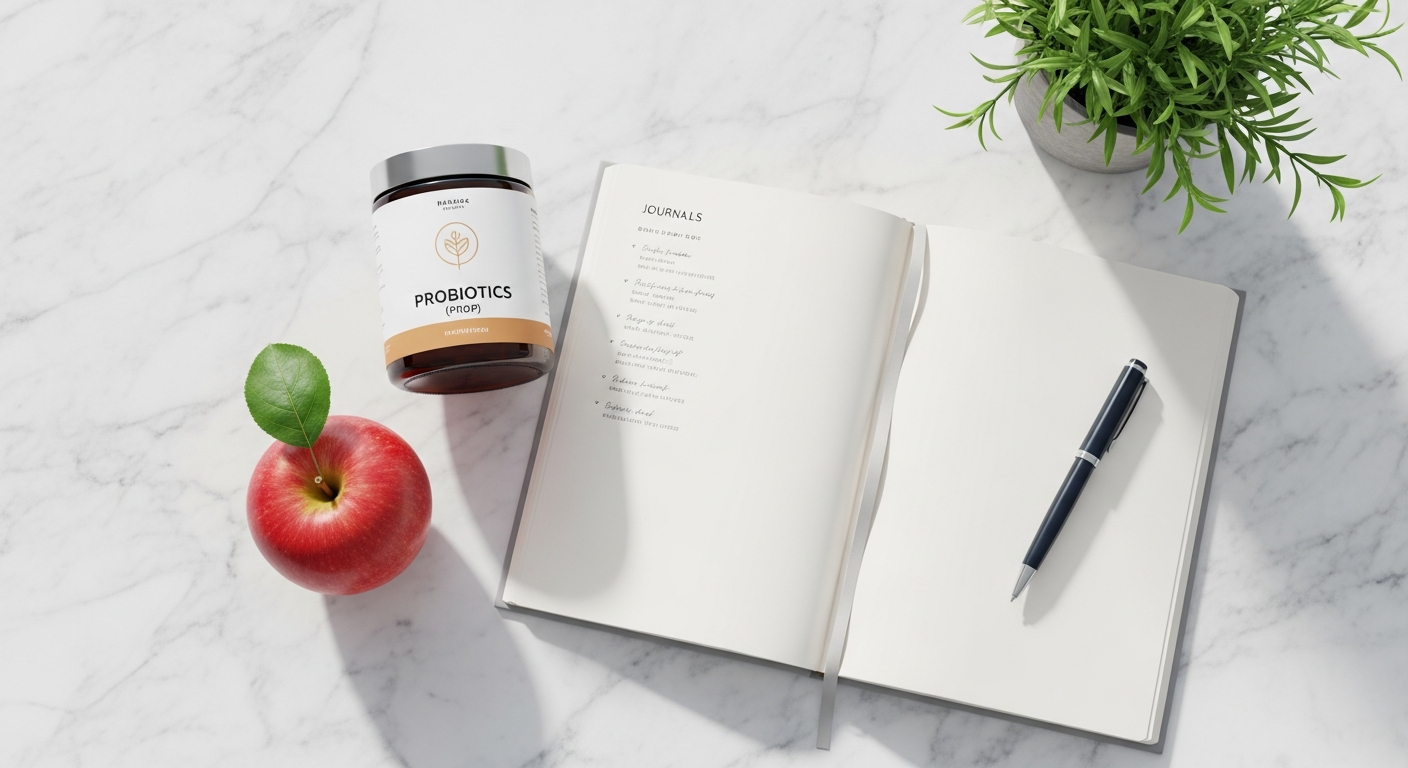
The food you eat is the most powerful tool you have to shape your gut microbiome. Every bite is an opportunity to nourish the beneficial bacteria and discourage the less desirable ones. Let’s explore how to build a diet that makes your gut sing.
Fiber-Rich Foods (Prebiotics): The Food for Your Good Bacteria
Prebiotics are specific types of dietary fiber that pass undigested through your small intestine and reach your large intestine, where they become food for your beneficial gut bacteria. Think of them as fertilizer for your inner garden. When your good bacteria feast on prebiotics, they produce short-chain fatty acids (SCFAs) like butyrate, which are crucial for gut barrier integrity, immune function, and reducing inflammation.
How to incorporate them: Aim for a wide variety of plant-based foods daily.
* Fruits: Apples, bananas, berries, pears.
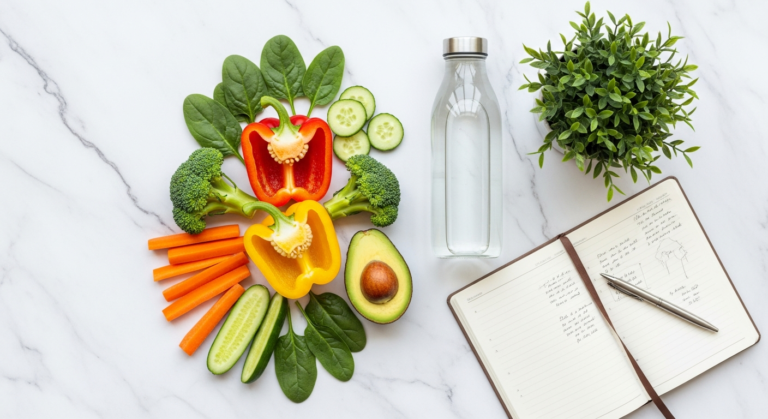
* Vegetables: Asparagus, garlic, onions, leeks, artichokes, leafy greens, broccoli, cauliflower, carrots.
* Legumes: Lentils, chickpeas, black beans, kidney beans.
* Whole Grains: Oats, barley, quinoa, brown rice.
* Nuts and Seeds: Almonds, flaxseeds, chia seeds.
Realistic example: Start your day with a bowl of oatmeal topped with berries and a sprinkle of flaxseeds. Add a side salad with various colorful vegetables to your lunch, and swap white rice for quinoa or lentils in your dinner.
Fermented Foods (Probiotics): Introducing Beneficial Microbes
Probiotics are live microorganisms that, when consumed in adequate amounts, confer a health benefit to the host. In simpler terms, they are the good bacteria themselves! Fermented foods are nature’s way of delivering these beneficial microbes to your gut. The fermentation process not only introduces new bacteria but also often makes nutrients more bioavailable.
How to incorporate them: Aim for 1-2 servings daily, gradually increasing to avoid initial digestive upset.
* Yogurt & Kefir: Opt for plain, unsweetened varieties with “live and active cultures.” Dairy-free options (coconut, almond, oat) are also available.
* Sauerkraut & Kimchi: These fermented cabbage dishes are rich in probiotics. Look for raw, unpasteurized versions in the refrigerated section, as pasteurization kills beneficial bacteria.
* Tempeh: A fermented soybean product, excellent as a plant-based protein source.
* Miso: Fermented soybean paste, great for soups and dressings.
* Kombucha: A fermented tea beverage. Choose low-sugar varieties.
* Pickles: Ensure they are traditionally fermented (brine-pickled) rather than vinegar-pickled for probiotic benefits.
Realistic example: Enjoy a small serving of plain Greek yogurt with your breakfast, or add a spoonful of sauerkraut to your sandwich or salad at lunch. Sip on a small glass of kombucha in the afternoon.
Polyphenol-Rich Foods: The Antioxidant Powerhouses
How to incorporate them:
* Berries: Blueberries, raspberries, blackberries, strawberries.
* Dark Chocolate: Choose varieties with 70% cocoa or higher.
* Green Tea: A rich source of catechins, a type of polyphenol.
* Red Wine (in moderation): Resveratrol is a well-known polyphenol.
* Coffee: Another source of polyphenols.
* Spices: Turmeric, cinnamon, cloves, oregano.
Realistic example: Enjoy a square or two of dark chocolate as a treat, or brew a cup of green tea daily. Sprinkle cinnamon on your oatmeal or add turmeric to your dinner dishes.
Foods to Limit or Avoid: What Harms Your Gut
Just as there are foods that nourish your gut, there are those that can disrupt its delicate balance, promoting the growth of less beneficial bacteria and potentially leading to inflammation and permeability.
* Processed Foods: Often high in unhealthy fats, sugar, and artificial additives, which can reduce microbial diversity and promote inflammation.
* Excessive Sugar: Feeds harmful bacteria and yeasts, leading to imbalances and sugar cravings.
* Artificial Sweeteners: Some research suggests they can negatively alter the gut microbiome and impact glucose metabolism.
* Unhealthy Fats: Trans fats and excessive saturated fats can contribute to gut inflammation.
* Excessive Alcohol: Can irritate the gut lining and disrupt the microbiome.
Step-by-step example: How to build a gut-friendly meal
1. Start with a diverse plant base: Fill half your plate with colorful non-starchy vegetables (e.g., leafy greens, broccoli, bell peppers).
2. Add a complex carbohydrate: Choose a whole grain (quinoa, brown rice, sweet potato) or legumes (lentils, chickpeas).
3. Include lean protein: Opt for fish, poultry, tempeh, or beans.
4. Incorporate healthy fats: A drizzle of olive oil, avocado, or a sprinkle of nuts/seeds.
5. Finish with a fermented food: A side of sauerkraut or a small cup of kefir.
Beyond the Plate: Lifestyle Habits for a Thriving Gut
While diet is paramount, your gut health is a holistic reflection of your lifestyle. Stress, sleep, movement, and hydration all play significant roles in maintaining a balanced inner ecosystem.
Stress Management: Taming the Gut-Brain Connection
The gut-brain axis isn’t just about your gut influencing your brain; it goes the other way too. Chronic stress can profoundly impact your gut, leading to increased gut permeability (often called “leaky gut”), altered gut motility, reduced beneficial bacteria, and heightened inflammation. It’s a vicious cycle that needs conscious intervention.
Techniques to try:
* Mindfulness Meditation: Even 5-10 minutes daily can rewire your brain’s response to stress. Focus on your breath, observing thoughts without judgment.
* Deep Breathing Exercises: Techniques like diaphragmatic breathing activate your parasympathetic nervous system, signaling your body to “rest and digest.”
* Yoga or Tai Chi: These practices combine movement, breath, and mindfulness to calm the nervous system.
* Spending Time in Nature: Research suggests that exposure to natural environments can reduce stress hormones and improve mood.
* Journaling: Writing down your thoughts and feelings can help process stress and gain perspective.
Realistic example: If you feel overwhelmed, take three slow, deep breaths, inhaling for a count of four, holding for four, and exhaling for six. Integrate a 15-minute walk in a park during your lunch break.
Quality Sleep: Rest for Your Microbiome
Sleep deprivation doesn’t just make you tired; it can also disrupt your gut microbiome. Studies suggest that insufficient sleep can lead to changes in gut bacteria diversity and composition, potentially contributing to inflammation and metabolic issues. Your gut microbes have their own circadian rhythm!
Tips for better sleep hygiene:
* Stick to a Schedule: Go to bed and wake up around the same time each day, even on weekends.
* Create a Relaxing Bedtime Routine: A warm bath, reading a book, or gentle stretching can signal to your body that it’s time to wind down.
* Optimize Your Sleep Environment: Keep your bedroom dark, quiet, and cool.
* Limit Screen Time: Avoid electronic devices an hour before bed, as the blue light can interfere with melatonin production.
* Watch Your Caffeine and Alcohol Intake: Especially in the late afternoon and evening.
Regular Movement: Exercise Your Gut
Types of exercise to consider:
* Aerobic Exercise: Brisk walking, jogging, cycling, swimming.
* Strength Training: Lifting weights or bodyweight exercises.
* Mind-Body Practices: Yoga, Pilates.
Realistic example: Start with 30 minutes of moderate-intensity activity most days of the week. This could be a brisk walk, dancing to your favorite reggae tunes, or a session of mindful yoga. Consistency is key!
Hydration: The Flow of Life
Water is essential for every bodily function, and your gut is no exception. Adequate hydration helps maintain the integrity of the gut lining, supports the movement of food through your digestive tract, and aids in nutrient absorption. It also keeps your bowel movements regular, preventing constipation, which can negatively impact gut health.
How to stay hydrated:
* Drink Water Throughout the Day: Don’t wait until you’re thirsty. Keep a water bottle handy.
* Infuse Your Water: Add slices of cucumber, lemon, or berries for flavor without added sugar.
* Herbal Teas: Count towards your fluid intake.
* Eat Water-Rich Foods: Fruits and vegetables like watermelon, cucumbers, and oranges contribute to hydration.
Realistic example: Aim for at least 8 glasses (around 2 liters) of water daily. Start your day with a large glass of water, and ensure you’re sipping throughout work or activities.
Strategic Supplementation: When and What to Consider
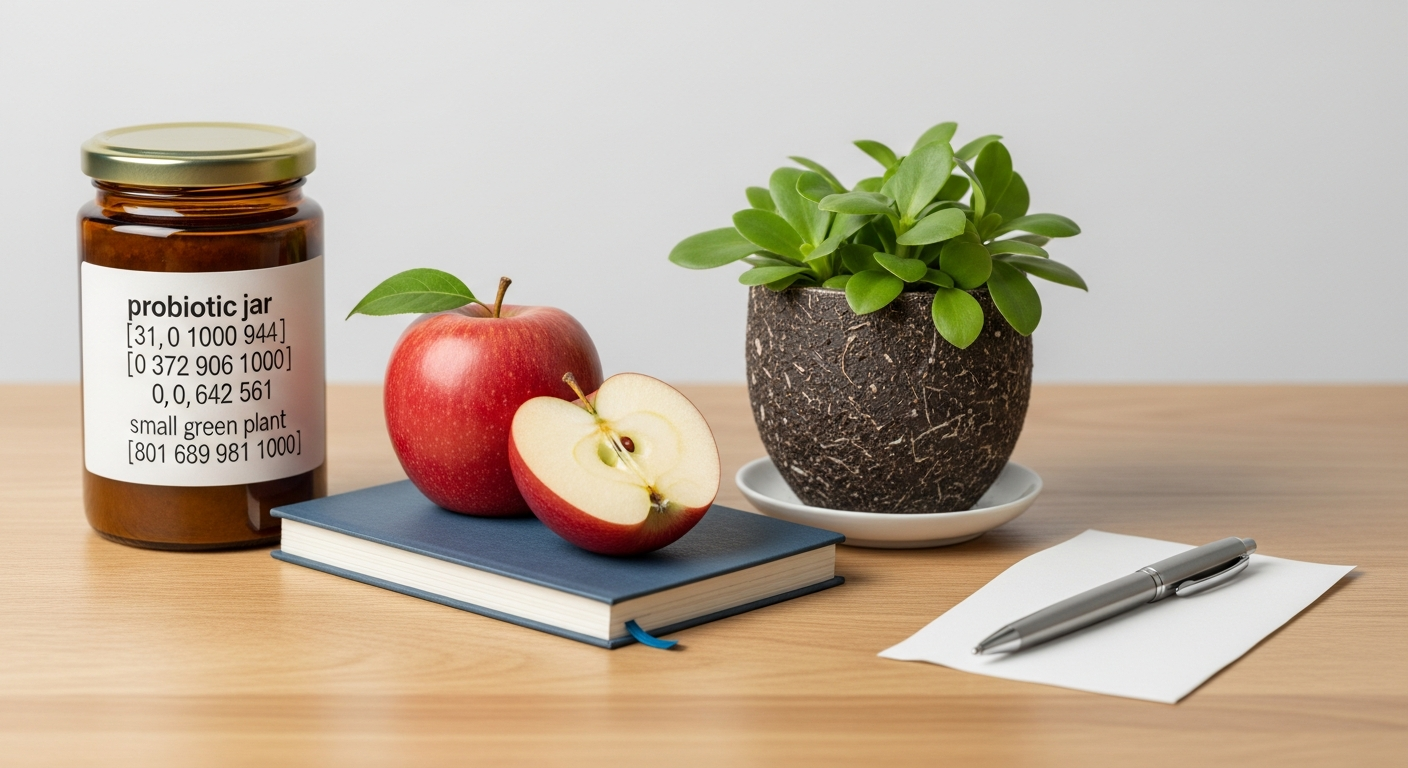
While diet and lifestyle are the foundational pillars of gut health, sometimes strategic supplementation can offer additional support. However, it’s crucial to approach supplements with caution and always, always consult with a healthcare professional (doctor, registered dietitian, or qualified nutritionist) before adding anything new to your regimen. Supplements are meant to supplement a healthy lifestyle, not replace it.
Disclaimer: The information provided here is for educational purposes only and should not be considered medical advice. Always consult a healthcare professional before starting any new supplement.
Probiotic Supplements: Targeted Support
If you’ve recently taken antibiotics, are experiencing digestive issues, or simply want to give your gut an extra boost, a probiotic supplement might be beneficial. They deliver live beneficial bacteria directly to your gut.
What to look for:
Multiple Strains: A diverse blend of Lactobacillus and Bifidobacterium* strains is often recommended.
* CFUs (Colony Forming Units): Look for supplements with billions of CFUs (e.g., 10-50 billion), as many bacteria won’t survive the journey through your digestive tract.
* Delayed-Release Capsules: These help protect the bacteria from stomach acid.
* Reputable Brands: Choose brands that conduct third-party testing for purity and potency.
* Storage: Some probiotics require refrigeration.
Realistic example: If you’re recovering from an antibiotic course, your doctor might recommend a specific multi-strain probiotic taken a few hours apart from your antibiotic dose. Continue for a few weeks after finishing the antibiotics.
Prebiotic Supplements: Feeding the Good Guys
While getting prebiotics from food is ideal, some individuals might benefit from a prebiotic supplement, especially if their dietary intake is low or they have specific digestive needs. Common prebiotic fibers include FOS (fructooligosaccharides), GOS (galactooligosaccharides), and inulin.
Considerations: Start with a very small dose and gradually increase, as high doses can cause gas and bloating, especially if your gut is sensitive.
Other Potential Supplements (with caution):
* Omega-3 Fatty Acids: Known for their anti-inflammatory properties, which can benefit gut health. Found in fish oil or algal oil.
* Vitamin D: Plays a role in immune function and gut barrier integrity.
* L-Glutamine: An amino acid that is a primary fuel source for gut cells and may help repair the gut lining.
Realistic example: Discuss with your doctor if a high-quality fish oil supplement might be beneficial for you, especially if your diet lacks fatty fish. They can help determine the right dosage and form.
Listening to Your Gut: Practical Steps for Your Journey
Improving gut health is a journey, not a destination. It requires patience, consistency, and a willingness to listen to your body’s unique signals. Here’s how to practically implement these strategies into your life.
Start Small, Be Consistent
Don’t try to overhaul your entire diet and lifestyle overnight. Small, sustainable changes are far more effective than drastic, temporary ones.
* Week 1: Focus on adding one serving of fermented food daily (e.g., a small cup of kefir).
* Week 2: Incorporate one new high-fiber food (e.g., adding lentils to a soup, or an apple as a snack).
* Week 3: Commit to 15 minutes of mindful movement (like a walk) and 5 minutes of deep breathing daily.
Keep a Gut Health Journal
This is an incredibly powerful tool for understanding your body.
* Track Your Food Intake: What you eat, when you eat it.
* Note Symptoms: Bloating, gas, changes in bowel movements, energy levels, mood.
* Record Lifestyle Factors: Sleep quality, stress levels, exercise.
* Look for Patterns: Over time, you’ll start to identify foods or habits that trigger symptoms or make you feel better.
Step-by-step guidance: Your 4-week gut reset framework (example)
1. Week 1: Foundations & Hydration. Focus on eliminating processed foods and sugary drinks. Increase water intake. Introduce one serving of fermented food daily.
2. Week 2: Fiber Power-Up. Gradually increase your intake of diverse fruits, vegetables, and whole grains. Experiment with different types of prebiotics. Pay attention to how your body responds to increased fiber.
3. Week 3: Stress & Sleep Sanctuary. Prioritize 7-9 hours of quality sleep. Implement a daily stress-reduction technique (e.g., 10 minutes of meditation).
4. Week 4: Movement & Mindful Eating. Integrate regular movement into your routine. Practice mindful eating—slowing down, chewing thoroughly, and savoring your food to aid digestion. Review your journal and note improvements.
Seek Professional Guidance
While this guide offers a wealth of information, personalized advice is invaluable.
* Consult a Doctor: If you have persistent digestive issues (e.g., chronic bloating, abdominal pain, significant changes in bowel habits), it’s crucial to rule out underlying medical conditions.
* Work with a Registered Dietitian or Gut Health Specialist: They can provide tailored dietary advice, help identify food sensitivities, and guide you on appropriate supplementation.
Embrace Patience and Self-Compassion
Your gut microbiome has been shaped over years, and rebalancing it takes time. You might experience some initial digestive changes (like increased gas or bloating) as your body adjusts to new foods and bacteria. This is often temporary. Be kind to yourself, celebrate small victories, and remember that every positive choice you make contributes to a healthier, happier you.