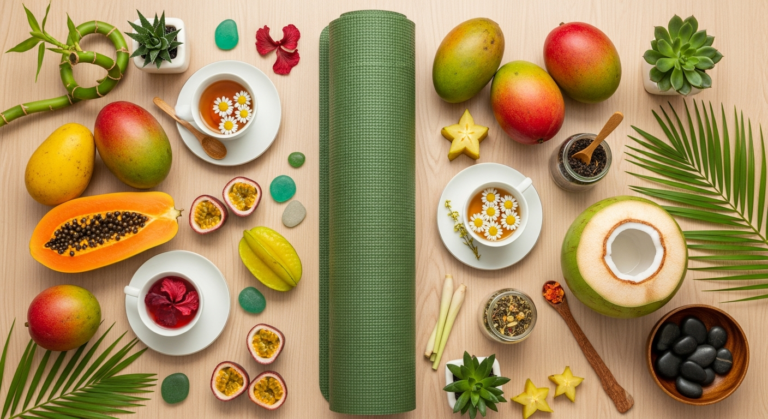
Nourishing Body and Soul: Exploring Ital Cooking and Rastafari Diet Practices for Holistic Wellness
This article delves into the core tenets of Ital cooking and the Rastafari diet, examining its historical origins, key components, and the myriad health benefits it offers. We will explore how this plant-based, unprocessed approach to food aligns with modern nutritional science and, crucially, how it complements the transformative power of music therapy. By understanding the intentionality behind every Ital meal, we can begin to appreciate its profound impact on our overall well-being, fostering a deeper connection to ourselves and the natural world, much like the rhythmic pulsations of reggae music guide us towards introspection and joy.
The Philosophy of Ital: “Livity” and Holistic Living
The term “Ital” is a phonetic adaptation of the English word “vital,” but for Rastafarians, it carries a much deeper, almost sacred meaning. It signifies a way of living that is natural, pure, and in harmony with the Earth, embodying the Rastafari concept of “livity” – a holistic lifestyle that encompasses spiritual, physical, and mental well-being. This philosophy dictates that food should be consumed in its most natural state, free from artificial additives, chemicals, and anything deemed impure or detrimental to the body’s vitality. The body is considered a temple, and thus, what is consumed must be clean and life-giving.
The origins of Ital are intertwined with the emergence of the Rastafari movement in Jamaica in the 1930s. Influenced by the teachings of Marcus Garvey and a strong connection to African heritage, early Rastafarians developed a distinct cultural identity that included specific dietary laws. These laws were not merely about nutrition; they were a rejection of the colonial diet, which often included processed foods and animal products, and an embrace of indigenous, natural foods that were believed to enhance spiritual clarity and physical strength. This commitment to natural living was a powerful act of resistance and self-determination.
Key aspects of “livity” that Ital supports include:
- Spiritual Connection: Consuming pure, natural foods is seen as a way to maintain a direct connection with the divine, or Jah. It’s a meditative act of reverence.
- Physical Purity: Avoiding processed foods, meat, and artificial substances is believed to cleanse the body, promoting physical health and longevity.
- Mental Clarity: A clean diet is thought to foster clear thinking, focus, and a peaceful mind, essential for spiritual contemplation and understanding.
- Environmental Harmony: Emphasizing locally sourced, organic, and plant-based foods promotes sustainable practices and respect for the Earth.
As Dr. J. S. Pulis, a scholar of Caribbean religions, notes in his work on Rastafari culture, “Ital is not just about what one eats, but how one lives. It is a daily affirmation of life, vitality, and connection to the Earth and the divine.” This holistic perspective underscores why Ital principles resonate so deeply with broader wellness movements, including those that recognize the powerful interplay between diet, mind, and spirit.
Core Principles of the Rastafari Diet: A Plant-Based Foundation
At its heart, the Rastafari diet is a strict vegetarian or vegan one, emphasizing foods that are “from the earth” and free from artificial interference. This commitment to plant-based eating is foundational to the Ital philosophy, driven by both spiritual and health considerations.
Dietary Exclusions:
- Meat and Poultry: All forms of meat, including beef, pork, lamb, and poultry, are strictly avoided. Pork, in particular, is often seen as unclean.
- Fish: While some Rastafarians may consume small fish (often referred to as “fish from the sea” or “live fish”) that are not bottom-feeders and are prepared without salt, many adhere to a stricter interpretation that excludes all fish. Large fish and shellfish are universally avoided.
- Dairy Products and Eggs: Milk, cheese, butter, and eggs are generally excluded, as they are considered animal products that are not “vital.”
- Processed Foods: Anything with artificial colors, flavors, preservatives, or excessive sugar is avoided. This includes many canned goods, fast food, and refined sugars.
- Salt: The use of refined table salt is often rejected. Some Rastafarians use natural sea salt sparingly, while others prefer no added salt at all, relying on herbs and spices for flavor.
- Alcohol, Coffee, and Other Stimulants: These are generally abstained from due to their perceived negative effects on mental and physical purity. Ganja (marijuana) is used sacramentally by some, but not recreationally, and is distinct from other stimulants.
Dietary Inclusions:
The focus is on fresh, whole, unprocessed foods, often organic and locally sourced when possible. This emphasis ensures that the food retains its natural “vitality.”
- Fruits: All fresh fruits are highly prized, including mangoes, papayas, bananas, pineapples, soursop, guavas, and star apples.
- Vegetables: A wide array of fresh vegetables forms the backbone of the diet. Staples include callaloo (a leafy green similar to spinach), okra, pumpkin, carrots, bell peppers, tomatoes, and various leafy greens.
- Root Vegetables and Tubers: Yams, sweet potatoes, Irish potatoes, cassava, and breadfruit are important sources of complex carbohydrates.
- Legumes: Beans (kidney, black, broad beans), lentils, and peas (pigeon peas, gungo peas) are crucial for protein and fiber.
- Grains: Rice (especially brown rice), quinoa, millet, and oats are common.
- Nuts and Seeds: Peanuts, cashews, almonds, and pumpkin seeds provide healthy fats and protein.
- Herbs and Spices: Natural seasonings like ginger, garlic, thyme, scotch bonnet peppers, turmeric, and allspice are used generously to flavor dishes, replacing salt.
- Coconut: Coconut milk, coconut water, and fresh coconut meat are staple ingredients, providing healthy fats and hydration.
This comprehensive plant-based approach is remarkably aligned with contemporary nutritional recommendations for promoting long-term health, as we will explore further.
Staple Foods and Culinary Delights in Ital Cooking
Ital cuisine is vibrant, flavorful, and incredibly diverse, showcasing the rich bounty of Caribbean produce. The emphasis is on fresh ingredients, slow cooking, and the artful use of natural herbs and spices to create dishes that are both nourishing and deeply satisfying.
Key Ingredients and Their Roles:
- Callaloo: A leafy green vegetable, often compared to spinach, that is a cornerstone of Ital cooking. It’s rich in iron, calcium, and vitamins A and C. Often steamed or sautéed with onions, garlic, and scotch bonnet.
- Ackee: While botanically a fruit, ackee is cooked and eaten as a vegetable. It’s the national fruit of Jamaica and, when prepared correctly (the black seeds and pink arils are toxic), has a creamy, savory flavor. Often paired with callaloo or other vegetables.
- Plantains: A versatile staple, plantains can be cooked when green (savory, starchy) or ripe (sweet). They are often boiled, steamed, or baked.
- Legumes (Beans & Lentils): Kidney beans, gungo peas (pigeon peas), and lentils are frequently used in stews, soups, and rice dishes, providing essential protein and fiber.
- Root Vegetables: Yams, sweet potatoes, and dasheen (taro) are boiled or steamed, offering complex carbohydrates and vital nutrients.
- Coconut Milk: A fundamental ingredient, it adds richness and creaminess to many stews, soups, and curries, providing healthy fats.
- Herbs and Spices: The soul of Ital flavor. Thyme, escallion (spring onion), ginger, garlic, pimento (allspice), and scotch bonnet peppers are used abundantly to build complex flavor profiles without relying on salt or artificial enhancers.
Popular Ital Dishes:
- Ital Stew: A hearty, flavorful stew brimming with a variety of vegetables (pumpkin, carrots, cho-cho/chayote, okra), root vegetables, and legumes, simmered in a rich coconut milk base with aromatic herbs and spices.
- Callaloo and Ackee: Often considered the vegetarian counterpart to the national dish of Jamaica (Ackee and Saltfish), this version replaces the salted fish with more vegetables, offering a truly Ital experience.
- Vegetable Rundown: A dish where vegetables (like breadfruit, plantain, sweet potato) are slowly cooked down in seasoned coconut milk until the sauce thickens and separates, creating a rich, savory gravy.
- Gungo Peas and Rice: A variation of the classic rice and peas, using gungo peas, cooked with coconut milk, thyme, and scallions.
- Steamed Vegetables: A simple yet profound dish where various fresh vegetables are lightly steamed with herbs and spices, preserving their natural flavors and nutrients.
The beauty of Ital cooking lies in its simplicity and its ability to transform humble, natural ingredients into intensely flavorful and satisfying meals. It’s a testament to the power of fresh produce and thoughtful seasoning.
Health Benefits of the Ital Lifestyle: An Evidence-Based Perspective
Beyond its spiritual significance, the Ital diet offers a wealth of scientifically proven health benefits, aligning closely with recommendations from major health organizations worldwide. Its emphasis on whole, unprocessed, plant-based foods makes it a powerful dietary approach for disease prevention and overall well-being.
Cardiovascular Health:
Studies consistently show that plant-based diets are associated with a significantly lower risk of heart disease. A meta-analysis published in the Journal of the American Heart Association (2019) by Kim et al. found that a healthy plant-based diet was associated with a 16% lower risk of cardiovascular disease and a 31% lower risk of cardiovascular mortality. The Ital diet, being rich in fiber, antioxidants, and healthy fats (from coconut, nuts, and seeds) while being low in saturated fat and cholesterol (due to the absence of animal products), directly contributes to these benefits. Fiber helps lower cholesterol levels, and antioxidants reduce inflammation and oxidative stress, both crucial for heart health.
Diabetes Prevention and Management:
The high fiber content and low glycemic index of most Ital foods play a critical role in blood sugar regulation. Research published in Diabetes Care (Kahleova et al., 2017) demonstrated that plant-based diets can improve insulin sensitivity and help manage type 2 diabetes. By focusing on complex carbohydrates from whole grains, legumes, and root vegetables rather than refined sugars, the Ital diet helps prevent sharp spikes in blood glucose levels.
Cancer Prevention:
Numerous studies link a high intake of fruits, vegetables, and legumes to a reduced risk of various cancers. The American Institute for Cancer Research (AICR) strongly recommends a plant-rich diet, highlighting the protective effects of phytochemicals, vitamins, and fiber found abundantly in Ital foods. These compounds help protect cells from damage and inhibit cancer growth. For example, the beta-carotene in pumpkin and carrots, and the sulforaphane in callaloo, are known for their anti-cancer properties.
Gut Health:
The fiber-rich nature of the Ital diet is a boon for gut health. Fiber acts as a prebiotic, feeding beneficial gut bacteria, which in turn produce short-chain fatty acids that support gut barrier function and overall digestive health. A healthy gut microbiome is increasingly recognized for its influence on immunity, mood, and even brain function. Dr. Emeran Mayer, a leading gastroenterologist, emphasizes in his work on the gut-brain axis that “what we eat profoundly impacts our microbial residents, and thus our overall health.”
Weight Management:
Plant-based diets are generally lower in calories and higher in satiety-inducing fiber, making them effective for weight management. The absence of processed foods, unhealthy fats, and refined sugars in the Ital diet naturally leads to a healthier body weight and reduced risk of obesity-related complications.
Nutrient Density:
Despite misconceptions, a well-planned Ital diet provides all necessary nutrients. Legumes and grains supply protein; leafy greens, nuts, and seeds offer iron and calcium; and a wide variety of fruits and vegetables ensure a rich intake of vitamins, minerals, and antioxidants. The table below illustrates a comparison of nutrient profiles:
| Nutrient | Ital Diet (Plant-Based) | Typical Western Diet (Mixed) | Health Impact |
|---|---|---|---|
| Fiber | Very High (from fruits, vegetables, legumes, whole grains) | Low (often from refined grains, processed foods) | Improved digestion, lower cholesterol, stable blood sugar, gut health. |
| Saturated Fat | Very Low (primarily from coconut, nuts) | High (from red meat, dairy, processed foods) | Lower risk of heart disease. |
| Cholesterol | Zero (no animal products) | High (from animal products) | Lower risk of heart disease. |
| Antioxidants | Very High (from diverse fruits & vegetables) | Moderate (often lower variety of produce) | Reduced inflammation, protection against cellular damage. |
| Sodium | Very Low (minimal added salt) | High (from processed foods, restaurant meals) | Lower blood pressure, reduced risk of hypertension. |
| Phytochemicals | Abundant (diverse plant compounds) | Moderate | Disease prevention, anti-inflammatory effects. |
The evidence overwhelmingly supports the health-promoting potential of the Ital lifestyle, making it not just a spiritual path but a robust nutritional strategy for a vibrant life.
Ital Cooking Techniques and Mindful Preparation
The preparation of Ital food is as significant as the ingredients themselves. It is a process imbued with mindfulness, intention, and a deep respect for the food’s natural state. Unlike many modern cooking styles that prioritize speed and convenience, Ital cooking often embraces slower methods, allowing flavors to meld and nutrients to be preserved.
Preferred Cooking Methods:
- Steaming: This is a highly favored method as it retains the maximum amount of nutrients, color, and natural flavor of vegetables. Callaloo, okra, and other greens are frequently steamed.
- Boiling: Used for root vegetables like yams, sweet potatoes, and green plantains, boiling makes them tender and digestible.
- Stewing/Simmering: Many Ital dishes, especially stews and rundowns, involve slow simmering in coconut milk with a medley of vegetables, legumes, and spices. This method allows flavors to deepen and ingredients to soften to perfection.
- Baking/Roasting: While less common for daily cooking, baking root vegetables or plantains is also practiced, offering a dry-heat alternative that caramelizes natural sugars.
Methods Generally Avoided:
- Frying: Deep-frying is largely avoided due to the use of excessive oils and the belief that it diminishes the “vitality” of the food and introduces unhealthy fats.
- Microwaving: Some strict adherents may avoid microwaves, perceiving them as unnatural and potentially altering the food’s energetic properties.
The Art of Seasoning:
Without relying on refined salt, Ital cooks master the art of seasoning with fresh herbs and spices. This is where the vibrant flavors truly shine. A typical Ital ‘seasoning base’ might include:
- Fresh ginger, grated or minced
- Garlic, crushed or finely chopped
- Scallions (escallion), chopped
- Thyme sprigs
- Pimento (allspice) berries or ground
- A piece of scotch bonnet pepper (whole or finely chopped, depending on desired heat)
- Other additions: bay leaf, turmeric, curry powder (mild, not heavily processed).
These ingredients are often pounded together in a mortar and pestle or finely chopped to release their essential oils and create a potent flavor base that elevates simple vegetables to culinary masterpieces.
Mindfulness in Preparation:
The act of preparing Ital food is often seen as a meditative and spiritual practice. Washing, chopping, and cooking become opportunities for connection and gratitude. This mindful approach to food preparation extends to the entire eating experience:
- Gratitude: Acknowledging the source of food and giving thanks before eating.
- Slow Eating: Savoring each bite, paying attention to textures and flavors.
- Communion: Sharing meals with family and community, reinforcing social bonds.
This intentionality behind food preparation and consumption aligns perfectly with the principles of music therapy, where focused attention and sensory engagement are key to healing and well-being. Dr. Herbert Benson’s work on the “relaxation response” highlights how repetitive, mindful activities, including eating, can induce a state of deep relaxation and reduce stress, a benefit amplified by the deliberate nature of Ital cooking.
The Intersection with Music Therapy and Reggae Wellness
The connection between the Ital lifestyle and music therapy, particularly within the context of reggae wellness, is profound and multifaceted. Both emphasize harmony, balance, and a holistic approach to well-being, fostering environments where healing and growth can flourish.
Holistic Well-being and Responsiveness:
An Ital diet, by promoting physical health and mental clarity, creates an optimal physiological and psychological state for engaging with music therapy. When the body is nourished with vital, unprocessed foods, it is less burdened by inflammation, digestive distress, and energy fluctuations. This allows for:
- Enhanced Focus: A clear mind, free from the ‘fog’ of unhealthy eating, can better concentrate on musical interventions.
- Improved Emotional Regulation: Stable blood sugar and a healthy gut microbiome (which influences neurotransmitter production) contribute to more balanced moods, making individuals more receptive to the emotional processing aspects of music therapy.
- Increased Energy: Sustainable energy from whole foods supports active participation in music-making or movement-to-music activities.
As Dr. Susan Hanser, a prominent music therapist and researcher, often discusses, “The efficacy of music therapy is significantly enhanced when individuals are in a state of overall well-being. Diet, exercise, and spiritual practices all contribute to this readiness for therapeutic engagement.”
Reggae’s Resonance with Ital and Wellness:
Reggae music itself is a powerful cultural expression that embodies many Ital principles. Its lyrics frequently advocate for:
- Natural Living: Songs often praise the earth, its bounty, and the importance of organic food (e.g., “Natty Dread” by Bob Marley, “Herbalist” by Sizzla).
- Spiritual Connection: The themes of Jah, spiritual awakening, and inner peace are central to reggae, mirroring the spiritual aspect of Ital.
- Social Justice and Consciousness: Reggae often critiques systems that promote unhealthy or unnatural lifestyles, advocating for a return to roots and purity.
- Healing Vibrations: The rhythmic, bass-heavy nature of reggae is often described as having a healing vibration, creating a sense of grounding and calm, much like the grounding effect of a wholesome Ital meal.
The shared vocabulary of “vibration” is particularly significant. In Rastafari, Ital food is said to carry a positive vibration, enhancing one’s own vital energy. Similarly, reggae music is believed to transmit positive vibrations, fostering healing and unity. This synergy means that listening to reggae while enjoying an Ital meal can become a deeply immersive wellness experience, stimulating multiple senses and reinforcing the holistic message.
Music Therapy Applications:
Music therapists can integrate these concepts in various ways:
- Mindful Eating with Music: Playing calming reggae or instrumental music during meals to encourage slower, more mindful eating, aligning with Ital principles of intentional consumption.
- Lyric Analysis and Wellness: Discussing reggae lyrics that promote natural living and healthy eating, fostering reflection on personal dietary choices and their impact on well-being.
- Rhythmic Grounding: Using the steady, grounding rhythms of reggae to help individuals connect with their bodies and the earth, reinforcing the “livity” aspect of Ital.
- Creative Expression: Encouraging clients to compose songs or create rhythmic patterns inspired by their experiences with natural foods and the Ital lifestyle, fostering self-expression and reinforcing healthy habits.
By consciously integrating the physical nourishment of Ital cooking with the emotional and spiritual nourishment of reggae and music therapy, individuals can achieve a profound level of holistic wellness. This integrative approach acknowledges that true health is not just the absence of illness, but a vibrant state of balance across body, mind, and spirit.
Embracing Ital Principles: Practical Tips for Your Journey
Adopting Ital principles doesn’t require an overnight transformation. It’s a journey of conscious choices and gradual integration. Here are practical tips to begin incorporating the wisdom of Ital into your daily life:
- Start with More Plant-Based Meals: You don’t have to go fully vegan immediately. Begin by dedicating one or two days a week to entirely plant-based meals, or simply make one meal a day Ital-inspired. Gradually increase your plant-based intake.
- Prioritize Whole, Unprocessed Foods: Focus on fresh fruits, vegetables, legumes, whole grains, nuts, and seeds. Read labels carefully and avoid products with artificial ingredients, excessive sugar, or refined flours.
- Experiment with Natural Seasonings: Embrace herbs and spices like ginger, garlic, thyme, turmeric, and scotch bonnet peppers. Explore their flavors and learn how they can replace or reduce your reliance on salt. A good starting point is to make your own fresh seasoning blend.
- Cook More at Home: Preparing your own food gives you control over ingredients and cooking methods. This aligns with the mindful aspect of Ital cooking and helps you avoid hidden processed ingredients in restaurant meals.
- Explore Caribbean Produce: Visit your local international market or a farmers’ market to discover ingredients like callaloo, ackee (canned is available outside the Caribbean), plantains, yams, and breadfruit. Don’t be afraid to try new things!
- Hydrate with Water and Herbal Teas: Reduce or eliminate sugary drinks. Opt for pure water, coconut water, or naturally caffeine-free herbal teas.
- Listen to Your Body: Pay attention to how different foods make you feel. Ital is about vitality, so observe what foods contribute to your energy, mood, and overall sense of well-being.
- Connect with Your Food’s Source: If possible, grow some of your own herbs or vegetables. Visit local farms. Understanding where your food comes from deepens your appreciation and connection to the Earth, embodying “livity.”
- Practice Mindful Eating: Slow down during meals. Savor the flavors, textures, and aromas. Eat without distractions (like screens) to fully engage with your food and the present moment.
- Seek Inspiration: Look for Ital recipes online, in cookbooks, or from Caribbean communities. There’s a wealth of delicious and nourishing dishes waiting to be discovered.
Remember, the Ital journey is personal and rooted in intention. Each step towards more natural, vital eating is a step towards greater holistic wellness.
Addressing Common Misconceptions and Challenges
While the Ital diet offers profound benefits, it’s not uncommon for people to encounter misconceptions or face practical challenges when attempting to adopt its principles. Addressing these can help demystify the lifestyle and make it more accessible.
Misconception 1: “Ital food is bland or lacks flavor.”
Reality: This is far from the truth! Ital cuisine is celebrated for its incredibly vibrant and complex flavors. The absence of refined salt is compensated by the generous and artful use of fresh herbs and spices like ginger, garlic, thyme, scotch bonnet peppers, pimento, and turmeric. These natural seasonings create deep, aromatic profiles that are anything but bland. In fact, many find that after adapting to less salt, their palate becomes more sensitive to the subtle nuances of natural food flavors.
Misconception 2: “It’s difficult to get enough protein on an Ital diet.”
Reality: This is a common concern with any plant-based diet, but it’s easily overcome with proper planning. The Ital diet includes abundant protein sources:
- Legumes: Kidney beans, black beans, lentils, chickpeas, and pigeon peas are excellent sources of plant-based protein.
- Whole Grains: Quinoa, brown rice, and oats contribute significant protein.
- Nuts and Seeds: Peanuts, cashews, almonds, pumpkin seeds, and chia seeds are protein-rich.
- Leafy Greens: Even vegetables like callaloo contain protein.
By consuming a variety of these foods throughout the day, individuals can easily meet their protein requirements. Research by the Academy of Nutrition and Dietetics consistently affirms that well-planned vegetarian and vegan diets are nutritionally adequate for all stages of life.
Challenge 1: Accessibility of specific ingredients.
Solution: While some traditional Ital ingredients like fresh callaloo or ackee might be harder to find in certain regions, many can be sourced from international markets, online specialty stores, or even canned (e.g., ackee). Furthermore, the core principles of Ital are adaptable. You can use locally available fresh, seasonal vegetables and fruits that align with the philosophy of natural, unprocessed eating. The spirit of Ital is more about the intention behind the food than rigid adherence to specific Jamaican produce.
Challenge 2: Social and cultural pressures.
Solution: Navigating social gatherings and family meals can be tricky when adopting a distinct dietary lifestyle.
- Communicate: Explain your dietary choices to friends and family in a positive, educational way.
- Offer to Bring a Dish: This ensures there’s an Ital-friendly option for you and allows others to taste how delicious it can be.
- Focus on Shared Values: Emphasize the health and ethical benefits, which resonate with many people.
Remember that your journey is personal, and while sharing is important, your well-being comes first.
Challenge 3: Transitioning from a typical Western diet.
Solution: Transitioning gradually is key. Don’t try to change everything overnight.
- Incremental Changes: Start by replacing one meal a day, then a full day, then a few days.
- Focus on Addition, Not Just Restriction: Instead of focusing on what you’re cutting out, focus on what delicious new plant-based foods you’re adding.
- Seek Support: Connect with online communities, read blogs, or find resources that provide recipes and encouragement for plant-based eating.
The journey to Ital is about embracing a lifestyle of vitality, and like any significant change, it benefits from patience, knowledge, and a positive mindset.
Key Takeaways
- Ital cooking is a plant-based, natural, and unprocessed dietary practice rooted in the Rastafari philosophy of “livity,” emphasizing holistic well-being and spiritual connection.
- The diet strictly avoids meat, poultry, dairy, eggs, processed foods, and often refined salt, focusing instead on fresh fruits, vegetables, legumes, whole grains, and natural herbs and spices.
- Ital foods are prepared mindfully, often through steaming, boiling, or stewing, using an abundance