- Week 1: 3× 15-min brisk walks. Build the habit.
- Week 2: 3× 20-min walk + 1× bodyweight circuit (10 squats, 10 push-ups, 10 lunges).
- Week 3: 4× 25-min sessions. Add resistance bands or light weights.
- Week 4: 4× 30-min sessions. Increase weights/reps by 10%.
- Key rule: 150 min/week moderate aerobic activity (AHA guideline) = minimum health benefit.
Sample 4-Week Beginner Exercise Plan
| Week | Days | Activity | Duration | Goal |
|---|---|---|---|---|
| 1 | 3 | Brisk walking | 15 min | Build habit. Focus on consistency. |
| 2 | 3 | Walk + bodyweight circuit | 25 min | 10 squats, 10 push-ups, 10 lunges |
| 3 | 4 | Mixed cardio + strength | 30 min | Add resistance bands or light dumbbells |
| 4 | 4-5 | Progressive overload | 35 min | Increase weight/reps 10%. Track progress. |
Based on AHA physical activity guidelines and ACSM progressive overload principles. Consult a physician before starting.
Frequently Asked Questions: Starting to Exercise
How often should a beginner exercise?
Beginners should start 2-3 days/week of moderate activity, progressing to 4-5 days. The AHA recommends at least 150 minutes/week of moderate-intensity aerobic activity. Rest days are essential — muscles rebuild during recovery.
How do I start if I am completely out of shape?
Start with 10-15 minute brisk walks 3x/week. This is medically validated as a safe entry point. Over 2-4 weeks, gradually increase duration and add bodyweight exercises. Consistency beats intensity.
How long before I see results from exercising?
Energy and mood improvements: within 2 weeks. Visible body composition changes: 6-8 weeks. Strength gains begin within 3-4 weeks as the neuromuscular system adapts before muscle mass increases.
Is it safe to exercise with high blood pressure?
Yes, with medical clearance. Regular moderate exercise reduces blood pressure. Avoid heavy Valsalva-maneuver lifting until cleared by your physician. Walking, swimming, and cycling are generally well-tolerated and recommended.
What is the FITT principle for beginners?
FITT = Frequency, Intensity, Time, Type. Beginners: 3-4x/week; 50-70% max heart rate; 20-30 min/session; walking or bodyweight exercises. Increase one variable at a time to avoid overtraining.
Real-World Example: What a Beginner’s First Month Looks Like
Profile: Maria, 38, sedentary office worker, BMI 28, no previous exercise habit. Goal: improve energy and lose 10 lbs over 3 months.
Week 1-2 (Habit Formation): Maria started with 15-minute walks during her lunch break (3x/week). Her resting heart rate was 82 bpm. Key challenge: motivation on Day 3-4. Solution: walking to music she enjoyed.
Week 3-4 (Adding Resistance): Added 2 bodyweight circuits/week: squats, modified push-ups, lunges. RHR dropped to 78 bpm by end of week 4. Energy levels noticeably higher by Day 18.
Results at 30 days: Lost 2.3 lbs. RHR: 82→76 bpm. Reports 40% better sleep quality. Walk duration increased from 15 to 28 minutes without stopping.
This example reflects typical beginner outcomes. Individual results vary based on starting fitness level, diet, and consistency. See a certified personal trainer for individualized programming.
Key Exercise Metrics to Track as a Beginner
| Metric | What It Measures | Beginner Target | How to Track |
|---|---|---|---|
| Resting Heart Rate (RHR) | Cardiovascular fitness baseline | 60-80 bpm; drops with fitness | Smartwatch or 60-second pulse count |
| RPE (Rate of Perceived Exertion) | Effort level on 1-10 scale | Stay at RPE 5-6 (moderate) | Self-assessment: can you hold a conversation? |
| Weekly minutes of activity | Total moderate-intensity movement | 150+ min/week (AHA target) | Fitness tracker or calendar log |
| Steps per day | Daily movement baseline | 7,000-10,000 steps/day | Smartphone pedometer or fitness watch |
Exercising with Health Conditions: Safe Starting Points
| Condition | Recommended Start | Key Precautions |
|---|---|---|
| High blood pressure | Brisk walking, swimming, cycling at moderate intensity | Avoid heavy Valsalva lifting; monitor BP before/after exercise |
| Type 2 diabetes | 150 min/week walking + resistance training 2-3x/week | Monitor blood glucose; exercise 1-3h after meals for best glucose response |
| Obesity (BMI 30+) | Low-impact: swimming, cycling, walking, water aerobics | Protect joints; build volume slowly; consider chair-based exercises initially |
| Arthritis | Aquatic exercise, gentle yoga, range-of-motion work | Avoid high-impact until cleared; warm joints before exercise |
| Post-partum | Pelvic floor from week 1; walking from week 2-6 | Avoid high-impact for 6+ weeks; screen for diastasis recti |
Per ACSM Exercise Pre-Participation Guidelines. Always get medical clearance before starting a new exercise program.
- Strength Training for Beginners 2026 — your next step after building a walking habit
- How to Create a Workout Routine — structure your training for maximum results
- Exercise Recovery Guide 2026 — optimize rest days and avoid overtraining
- HIIT Workouts for Beginners — when you’re ready to level up
- Healthy Eating Guide for Beginners — pair your exercise routine with good nutrition
Your Journey Starts Now: The Ultimate Beginner’s Exercise Guide for a Healthier 2026
Why Exercise? Understanding the “What’s In It For Me?”
Before we dive into the “how,” let’s ground ourselves in the profound “why.” Exercise is often framed purely as a tool for weight loss or aesthetics, but its true power lies in its comprehensive impact on your overall well-being. It’s a cornerstone of physical health, certainly, but it’s also a powerful ally for mental clarity, emotional resilience, and even spiritual grounding.
Beyond the Scale: A Holistic Transformation
Boosted Mood & Mental Clarity: Ever heard of a “runner’s high”? It’s not just for runners. When you exercise, your brain releases endorphins, natural mood elevators that can reduce stress, anxiety, and even symptoms of depression. Regular physical activity also enhances cognitive function, improving memory, focus, and problem-solving skills. Studies published in journals like Psychosomatic Medicine* consistently show a strong link between physical activity and improved mental health outcomes.
* Increased Energy Levels: It sounds counterintuitive – expending energy to gain energy – but it’s true. Consistent exercise improves your cardiovascular health, making your heart and lungs more efficient at delivering oxygen and nutrients throughout your body. This increased efficiency translates to less fatigue and more sustained energy throughout your day.
* Better Sleep Quality: Struggling to fall asleep or stay asleep? Regular moderate exercise can be a game-changer. It helps regulate your sleep-wake cycle, promoting deeper, more restorative sleep. Just remember to avoid intense workouts too close to bedtime, as the stimulating effects might keep you awake.
* Stronger Body, Resilient Health: Exercise strengthens your muscles and bones, improving balance, coordination, and reducing the risk of falls as you age. It also plays a critical role in preventing and managing chronic diseases like type 2 diabetes, heart disease, certain cancers, and high blood pressure. The American Heart Association consistently champions physical activity as a primary defense against cardiovascular illness.
* Enhanced Self-Esteem & Body Confidence: As you consistently show up for yourself, you’ll notice not just physical changes but a profound shift in how you perceive your own capabilities. Achieving small milestones builds confidence, fostering a positive self-image that extends far beyond your physical appearance.
Understanding these multifaceted benefits shifts the motivation from obligation to empowerment. You’re not just “working out”; you’re investing in a richer, fuller life for 2026 and beyond.
Laying the Foundation: Before You Even Break a Sweat
Starting an exercise routine isn’t just about lacing up your shoes; it’s about preparing your mind and body for a sustainable journey. This foundational work is crucial for safety, motivation, and long-term success.
1. Consult Your Doctor (Non-Negotiable): This is your first and most important step. Before embarking on any new fitness regimen, especially if you have pre-existing health conditions, are over 40, or haven’t been active for a long time, get a medical check-up. Your doctor can assess your current health, identify any potential risks, and offer personalized advice to ensure your exercise plan is safe and appropriate for you. They might even provide specific recommendations or limitations.
2. Set SMART Goals (Specific, Measurable, Achievable, Relevant, Time-bound): Vague goals like “I want to get fit” often lead to frustration. Instead, make your goals SMART:
* Specific: “I will walk for 30 minutes.”
* Measurable: “I will walk 3 times a week.”
Achievable: “I will start with a brisk walk, not a run.” (Ensure it’s something you can* realistically do.)
* Relevant: “This will improve my energy and help me keep up with my kids.” (Connect it to your personal “why.”)
* Time-bound: “I will do this for the next 4 weeks.”
Beginner Example:* “By the end of March 2026, I will be able to walk briskly for 30 minutes, three times a week, without feeling overly winded.”
3. Find Your “Why” (Your Deepest Motivation): What truly drives you? Is it more energy for your family? Better sleep? Managing stress? Preventing illness? Improved mental clarity? Your “why” is your internal compass, guiding you through moments of doubt. Write it down, keep it visible, and reconnect with it whenever your motivation wanes. This intrinsic drive is far more powerful than external pressures.
4. Assess Your Current Fitness Level (Realistically & Without Judgment): Be honest with yourself about where you’re starting. Can you walk for 10 minutes comfortably? Can you climb a flight of stairs without getting breathless? This isn’t about comparison; it’s about establishing a baseline. This assessment will help you choose appropriate starting points and prevent you from overdoing it, which is a common pitfall for beginners. There’s no shame in starting small; it’s smart.
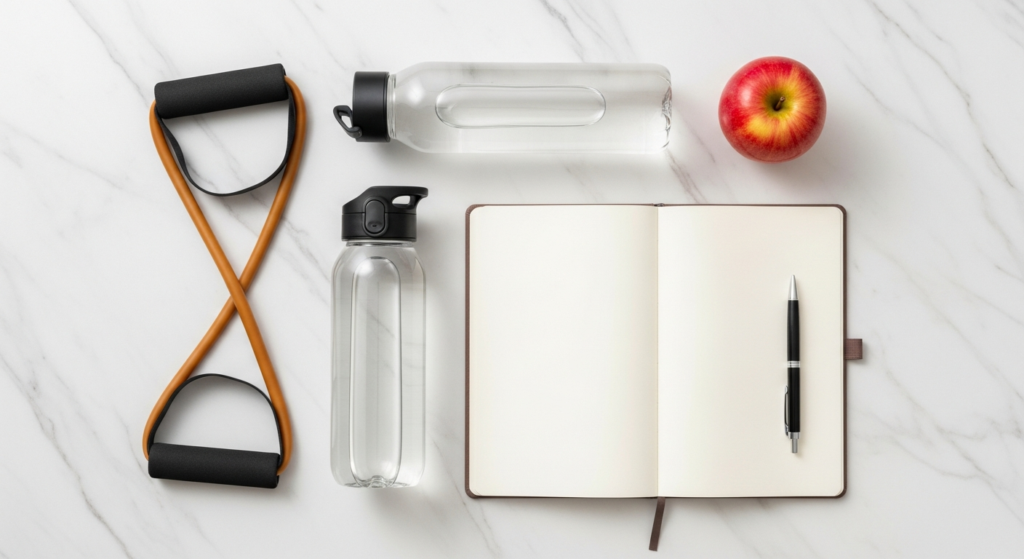
5. Gather Your Gear (Minimalist Approach): You don’t need expensive equipment to start. Focus on the essentials:
* Comfortable Shoes: This is arguably the most important investment. Choose shoes appropriate for your chosen activity (e.g., walking shoes, running shoes, cross-trainers) that offer good support and cushioning.
* Comfortable Clothing: Opt for breathable fabrics that allow for a full range of motion. You don’t need fancy athletic wear; a t-shirt and shorts/sweatpants are perfectly fine.
* Water Bottle: Staying hydrated is crucial.
* Optional: A basic fitness tracker (watch or phone app) can help you monitor steps, time, and distance, which can be great for motivation.
By taking these preparatory steps, you’re not just planning to exercise; you’re setting yourself up for a successful and enjoyable long-term relationship with movement.
The Core Principles of Sustainable Movement for Beginners
To build an exercise habit that sticks and truly benefits you, it’s essential to understand and embrace a few fundamental principles. These aren’t just rules; they’re the wisdom that prevents burnout, injury, and frustration.
1. Start Slow, Progress Gradually (The FITT Principle Adapted): This is perhaps the most critical piece of advice for beginners. Your body needs time to adapt.
* Frequency: Begin with 2-3 days a week, allowing for rest days in between.
* Intensity: Start with a moderate intensity where you can still hold a conversation but are slightly breathless.
* Time: Begin with 10-15 minutes per session, gradually increasing by 5 minutes each week or every other week.
* Type: Choose activities you enjoy (more on this below).
The key is gradual progression.* Don’t jump from zero to 60. Increase only one variable (time, intensity, or frequency) at a time, and give your body a week or two to adjust before increasing again. This approach, often referred to as the “progressive overload principle,” is backed by exercise physiology and minimizes injury risk while maximizing adaptation.
2. Listen to Your Body (The Inner Wisdom): Your body provides invaluable feedback. Learn to distinguish between typical muscle soreness (DOMS – Delayed Onset Muscle Soreness, which usually appears 24-48 hours after a workout and feels like general stiffness) and actual pain (sharp, sudden, localized, or persistent discomfort). If you feel pain, stop. Rest, ice, and if it persists, consult a healthcare professional. Pushing through pain is a recipe for injury and demotivation. Rest days are not a sign of weakness; they are crucial for muscle repair, growth, and preventing overuse injuries.
3. Consistency Over Intensity: A 15-minute walk, three times a week, every week, is infinitely more beneficial than one intense, hour-long workout followed by two weeks of inactivity. Regularity builds habits, strengthens your cardiovascular system consistently, and reinforces your commitment. Aim for “good enough” workouts consistently rather than chasing perfection sporadically. The cumulative effect of small, regular efforts is profound.
4. Variety is the Spice of Life (and Exercise): Doing the same routine day in and day out can lead to boredom and plateaus. Incorporate different types of activities to engage various muscle groups, improve different aspects of fitness (cardio, strength, flexibility), and keep things interesting. This also helps prevent overuse injuries that can arise from repetitive movements.
5. The Power of Warm-up and Cool-down: Never skip these vital components of your workout.
* Warm-up (5-10 minutes): Light cardio (like marching in place, arm circles, gentle leg swings) prepares your muscles and joints for activity, increasing blood flow and reducing injury risk. Dynamic stretches (moving stretches) are great here.
* Cool-down (5-10 minutes): Gradual decrease in activity (like slower walking) helps your heart rate return to normal. Follow this with static stretches (holding stretches for 20-30 seconds) to improve flexibility and aid muscle recovery. Research consistently supports the role of proper warm-ups and cool-downs in injury prevention and performance.
By integrating these principles into your approach, you’re not just starting an exercise program; you’re building a sustainable lifestyle of movement that respects your body’s needs and fosters long-term well-being.
Your First Steps: Practical Exercise Modalities for Beginners
Now that we’ve covered the “why” and the foundational principles, let’s explore some accessible and effective exercise options perfect for beginners. Remember, the best exercise is the one you enjoy and will stick with!
1. Walking: The Gateway to Fitness
* Why it’s great: It’s free, requires no special skills, can be done almost anywhere, and is low impact. It’s an excellent way to build cardiovascular fitness and can be easily scaled.
* How to start: Begin with 10-15 minutes of brisk walking (where you can talk but are slightly breathless) 3 times a week.
* Progression: Gradually increase your time by 5 minutes each week until you reach 30-45 minutes. Then, you can increase frequency (4-5 times a week) or intensity (add hills, walk faster, incorporate short bursts of jogging, or use a weighted vest).
* Tip: Explore new routes, listen to music or podcasts, or walk with a friend to keep it engaging.
2. Bodyweight Strength Training: Build Foundation & Function
* Why it’s great: Uses your own body’s resistance, meaning no equipment is needed. It builds functional strength, improves bone density, and boosts metabolism.
* How to start: Aim for 2-3 sessions per week on non-consecutive days. Focus on 2-3 sets of 8-12 repetitions for each exercise. Watch videos for proper form before you begin.
* Key Exercises for Beginners:
* Wall Push-ups: Stand facing a wall, hands shoulder-width apart on the wall. Lean in, bending elbows, then push back.
* Chair Squats: Stand in front of a sturdy chair. Hinge at your hips and lower down as if to sit, gently tap the chair, then stand back up. Keep your chest up.
* Knee Push-ups: Start on hands and knees, hands slightly wider than shoulders. Lower your chest towards the floor, then push back up.
* Glute Bridges: Lie on your back, knees bent, feet flat on the floor close to your glutes. Lift your hips off the floor until your body forms a straight line from shoulders to knees. Squeeze your glutes at the top.
* Plank (on knees or full): Hold a straight line from head to heels (or knees). Engage your core. Start with 15-20 seconds and build up.
* Progression: Increase reps, sets, or hold time. Once comfortable, move to more challenging variations (e.g., full push-ups, squats without a chair, lunges).
3. Gentle Yoga & Stretching: Flexibility, Balance & Mindfulness
* Why it’s great: Improves flexibility, balance, posture, and reduces stress. It’s a wonderful way to connect with your body and breath.
* How to start: Look for beginner-friendly yoga classes (in-person or online) or follow guided stretching routines. Aim for 1-2 sessions a week, or incorporate stretching into your cool-down.
* Tip: Focus on controlled movements and deep breathing. Don’t push into pain.
4. Swimming & Water Aerobics: Low-Impact Powerhouse
* Why it’s great: The buoyancy of water reduces impact on joints, making it ideal for those with joint pain, injuries, or higher body weight. It provides a full-body workout.
* How to start: Begin with 20-30 minutes of continuous swimming or a water aerobics class 2-3 times a week.
* Progression: Increase duration, speed, or incorporate different strokes.
5. Dancing: Fun & Cardiovascular!
* Why it’s great: It’s a fantastic cardiovascular workout that doesn’t feel like “exercise.” It improves coordination, mood, and can be incredibly social.
* How to start: Put on your favorite music and dance in your living room! Or explore beginner dance classes (Zumba, salsa, hip-hop, etc.) in your community.
* Tip: Just move and have fun! No need for perfect steps.
Sample Beginner Weekly Schedule (Adapt to your life!):
* Monday: 20-minute Brisk Walk + 10-minute Bodyweight Strength (e.g., Wall Push-ups, Chair Squats, Glute Bridges)
* Tuesday: Rest or Gentle Stretching/Yoga
* Wednesday: 20-minute Brisk Walk + 10-minute Bodyweight Strength (same or different exercises)
* Thursday: Rest or Gentle Stretching/Yoga
* Friday: 30-minute Brisk Walk or Fun Activity (e.g., dancing, cycling)
* Saturday: Active Recovery (e.g., light walk, gardening) or Rest
* Sunday: Rest
Remember, this is a template. Mix and match, find what resonates with you, and always prioritize consistency over intensity in these early stages.
Overcoming Hurdles & Staying Motivated
The path to a consistent exercise routine isn’t always smooth. You’ll encounter obstacles, and that’s completely normal. The key is to anticipate them and have strategies in place to navigate them.
* Strategy: “Exercise Snacking” & Scheduling. You don’t need a full hour. Short bursts of activity (10-15 minutes) throughout the day add up. Take a brisk walk during your lunch break, do 10 minutes of bodyweight exercises in the morning, or climb stairs instead of taking the elevator. Treat your workouts like non-negotiable appointments in your calendar. Schedule them in advance, just like you would a doctor’s visit or work meeting.
Research Says: Even short bouts of physical activity can accumulate to meet recommended guidelines and provide significant health benefits, according to the Journal of the American Heart Association*.
2. Lack of Motivation/Boredom: When the Spark Fades
* Strategy: Variety, Accountability, and Rewards.
* Mix it up: If walking feels dull, try dancing, a beginner fitness video, or a new park.
* Accountability: Find a workout buddy, join a group class, or even just tell a friend or family member about your goals. Knowing someone is expecting you or that you’ve publicly declared your intentions can be a powerful motivator.
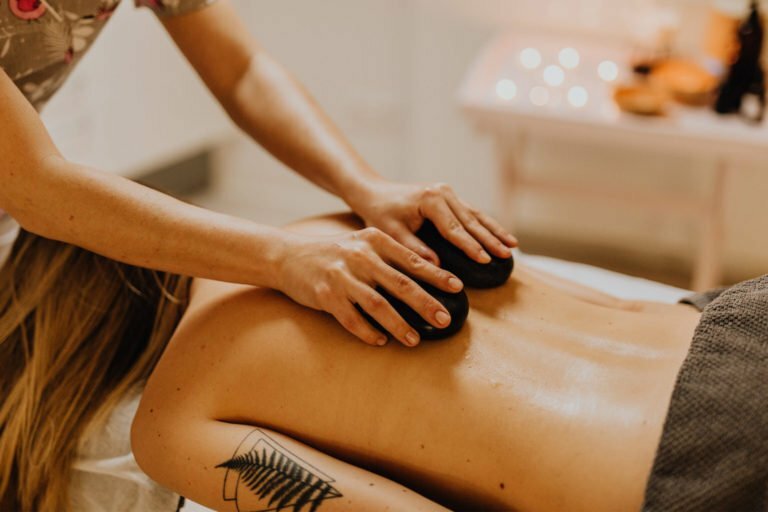
* Track Progress & Reward: Seeing how far you’ve come (more reps, longer walks, feeling stronger) is incredibly motivating. Celebrate non-food rewards like a new book, a massage, or a relaxing bath when you hit a milestone.
* Brand Voice Connection: Remember your “why”! Reconnect with that deeper purpose.
3. Plateaus: When Progress Stalls
* Strategy: Re-evaluate and Change. If you’re no longer seeing progress, your body has adapted. It’s time to gently increase the challenge.
* FITT Principle: Increase frequency, intensity, time, or change the type of exercise.
* Seek Guidance: Consider a session with a certified personal trainer for new ideas and proper form correction.
* Realistic Expectation: Plateaus are normal. They’re a sign that your body is getting stronger!
4. Injuries/Setbacks: The Unforeseen Bumps
* Strategy: Adapt, Recover, and Don’t Give Up. An injury doesn’t mean your fitness journey is over.
* Consult a Professional: See a doctor or physical therapist for proper diagnosis and rehabilitation.
* Modify: Can you still work out a different body part? If your knee hurts, can you do upper body exercises or swim?
* Focus on Recovery: Prioritize rest, nutrition, and sleep.
* Empathetic Note: Be kind to yourself. Setbacks are part of life. The resilience comes from how you respond.
5. The “All or Nothing” Trap: The Perfectionist’s Pitfall
* Strategy: Embrace Imperfection & “Good Enough.” Don’t let one missed workout derail your entire week. If you miss a session, just pick up with the next one. If you can only manage 10 minutes instead of 30, that’s 10 minutes more than nothing!
* Mindful Living: Focus on the process, not just the outcome. Each step, no matter how small, is progress. The goal is consistent effort, not perfect execution.
By anticipating these common challenges and arming yourself with strategies, you’re not just starting an exercise routine; you’re building resilience and a mindset that will help you thrive on your fitness journey in 2026 and beyond.