Ital Is Vital: Exploring the Rastafarian Diet and Wellness Principles
By Jahman Vibes | Published: July 20, 2024 | Last Updated: July 20, 2024
Jahman Vibes is a passionate writer and cultural enthusiast at Heartbeat Reggae, dedicated to exploring the rich tapestry of Caribbean life, music, and holistic wellness. With a deep respect for Rastafarian philosophy, Jahman shares insights into natural living and spiritual consciousness.
The Foundation of Livity: Understanding Ital and Rastafarian Philosophy
At the core of Rastafarianism lies the concept of “Livity,” an all-encompassing way of life characterized by natural living, spiritual consciousness, and a deep respect for creation. Central to Livity is the Ital diet, a term derived from the English word “vital,” transformed to incorporate the “I” prefix, which signifies unity with the divine and the self. “I and I” in Rastafari language denotes that the individual is part of the divine, and the divine resides within the individual, extending to all aspects of existence, including food.
Ital is not merely a set of dietary restrictions; it’s a spiritual commitment to consuming food that is pure, natural, and untouched by “Babylon” – a symbolic term for the oppressive, corrupting systems of Western society. This means rejecting anything artificial, processed, or deemed impure. The philosophy posits that consuming such foods pollutes the body, which is considered a temple, hindering one’s spiritual connection and physical vitality. Emperor Haile Selassie I, the revered figure in Rastafari, emphasized a connection to nature and a rejection of materialism, tenets that profoundly shape the Ital approach to food.
Historically, the Rastafari movement emerged in Jamaica in the 1930s, offering a distinct cultural and spiritual identity to those who felt alienated by colonial influences. The Ital diet became a tangible expression of this distinct identity, a way to reclaim health and heritage in the face of systemic oppression. It represents a conscious decision to nourish oneself with the earth’s bounty, fostering strength, clarity, and spiritual elevation. The emphasis is on vibrant, living foods that enhance one’s natural energy and promote a sense of well-being that transcends the physical.
Understanding Ital requires seeing food as medicine, as fuel for spiritual journey, and as a direct connection to the divine natural order. It encourages a mindful approach to eating, where every meal is an act of communion with nature and a affirmation of one’s Livity. This holistic perspective views the body, mind, and spirit as interconnected, asserting that true health can only be achieved when all are in harmony. The choice of what to eat, therefore, becomes a powerful declaration of spiritual and physical sovereignty.
Actionable Tip: Begin by reflecting on your own relationship with food. Consider how your current diet aligns with your personal values and aspirations for well-being. Can you identify one aspect of your eating habits that might be “unnatural” or “processed” and consider how replacing it with a whole, natural alternative could enhance your overall sense of Livity?
Core Principles of the Rastafarian Diet: What’s In, What’s Out
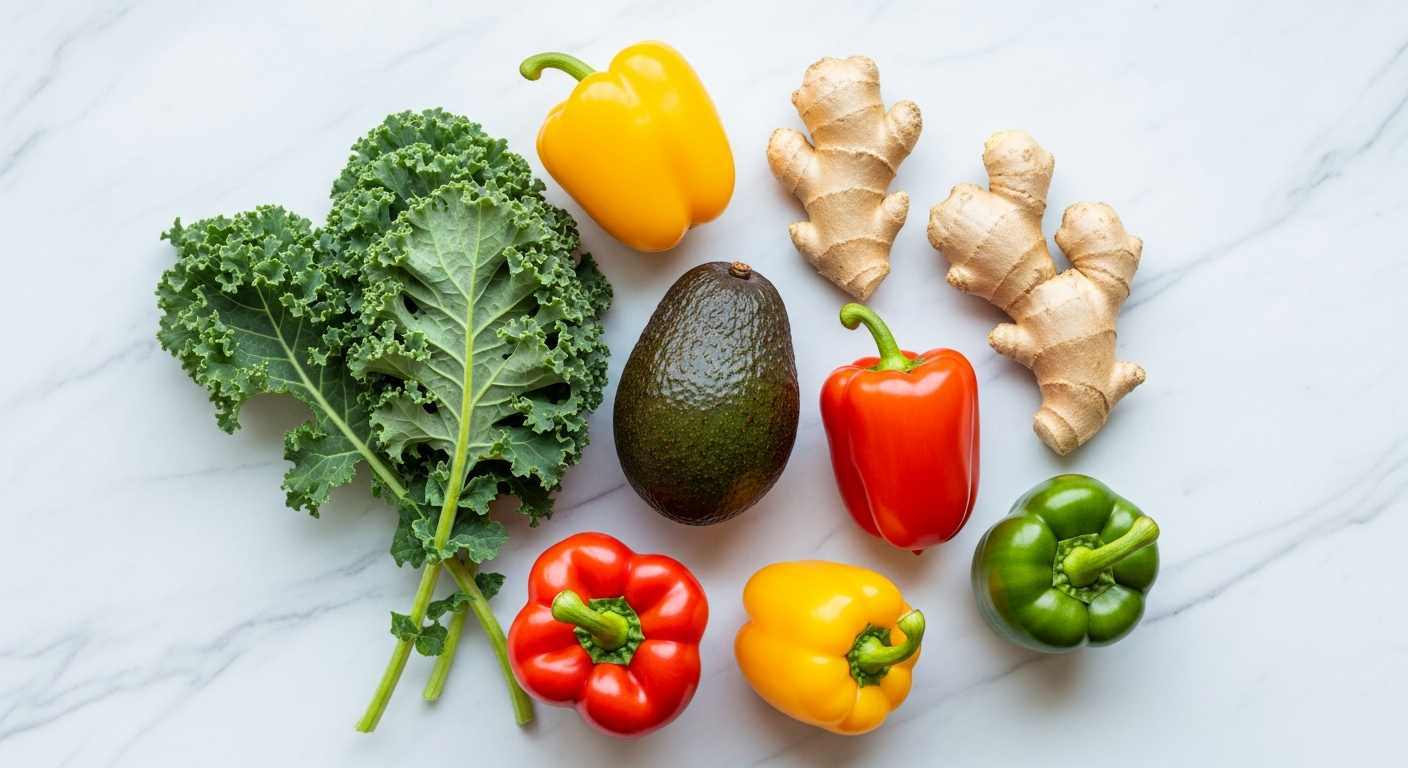
The Rastafarian diet and wellness philosophy is characterized by clear guidelines regarding food consumption, designed to maintain purity and vitality. At its heart, Ital is a plant-based diet, drawing exclusively from the Earth’s natural abundance. This means a rich and varied intake of fruits, vegetables, grains, legumes, nuts, and seeds. The guiding principle is to eat foods in their most natural state, free from artificial additives, preservatives, and genetic modification.
What’s In: The Abundance of Ital
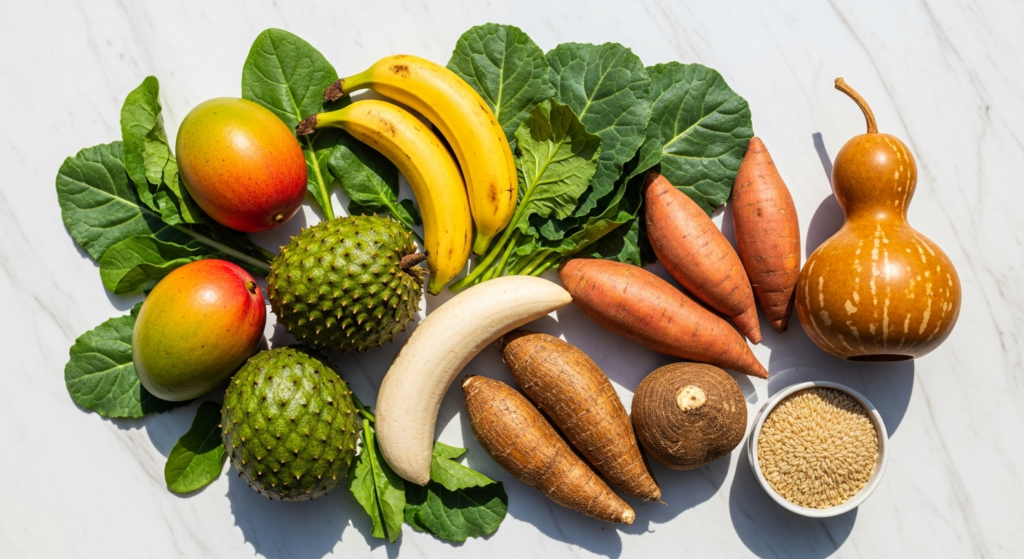
- Fruits: All fresh fruits are highly valued, often consumed raw and in season. Examples include mangoes, papayas, soursop, pineapples, bananas, and citrus fruits.
- Vegetables: A vast array of leafy greens (callaloo, pak choi), root vegetables (yams, sweet potatoes, dasheen, coco), and other vegetables (okra, pumpkin, escallion, garlic, onions, peppers).
- Grains: Whole grains such as rice (brown rice preferred), oats, corn, and traditional Caribbean grains like millet and quinoa.
- Legumes: Peas and beans are staples, providing essential protein. Gungo peas (pigeon peas), kidney beans, black beans, and lentils are commonly used.
- Nuts and Seeds: Cashews, peanuts, almonds, pumpkin seeds, and sunflower seeds are incorporated for healthy fats and protein.
- Herbs and Spices: Natural seasonings are crucial for flavor. Thyme, escallion, ginger, garlic, pimento, scotch bonnet pepper, and allspice are used generously to create vibrant, aromatic dishes without relying on processed salt.
- Water and Natural Beverages: Pure water, coconut water, and freshly squeezed fruit juices (without added sugar) are preferred for hydration. Herbal teas are also common.
What’s Out: Avoiding Impurity
- Meat and Poultry: All forms of meat, including beef, pork, lamb, and chicken, are strictly prohibited. These are considered “dead food” and impure.
- Fish: While some Rastafarians may consume small fish with scales (like snapper), many adhere to a stricter interpretation and avoid all seafood, viewing it as unclean.
- Dairy Products and Eggs: Milk, cheese, butter, and eggs are generally avoided as they are animal products and associated with “Babylon” systems.
- Processed Foods: Anything canned, refined, or containing artificial ingredients, colors, flavors, or preservatives is rejected. This includes white sugar, white flour, and heavily processed oils.
- Salt: Most Rastafarians avoid added salt, especially table salt, viewing it as artificial and detrimental to the body. Natural herbs and spices are used instead for flavor.
- Alcohol, Tobacco, and Drugs: These substances are strictly forbidden for recreational use, as they are seen as polluting the body and mind. Ganja (marijuana) is used sacramentally by some for spiritual meditation, not for recreational intoxication.
Food preparation also adheres to Ital principles. Cooking methods typically involve steaming, boiling, baking, or stewing, with deep-frying generally avoided due to the use of processed oils. Meals are prepared with reverence, focusing on preserving the natural integrity and nutritional value of the ingredients. The goal is to eat light, vibrant meals that energize rather than weigh down the body, facilitating spiritual clarity and physical agility.
Actionable Tip: Take a look at your pantry and refrigerator. Can you identify one or two highly processed items that you consume regularly? Challenge yourself to replace them with a whole, natural, plant-based alternative this week. For instance, swap out refined sugar for natural sweeteners like dates or maple syrup, or replace canned goods with fresh produce.
Nutritional Powerhouse: Health Benefits of the Rastafarian Diet
The Ital diet, with its profound emphasis on whole, unprocessed, plant-based foods, naturally aligns with many recommendations from modern nutritional science, offering a wealth of health benefits. This dietary pattern is inherently rich in essential nutrients, fiber, and antioxidants, while being low in saturated fat, cholesterol, and artificial additives – factors often associated with chronic Western diseases.
One of the most significant advantages of a plant-forward diet like Ital is its high fiber content. Dietary fiber, found abundantly in fruits, vegetables, whole grains, and legumes, is crucial for digestive health, promoting regular bowel movements and preventing constipation. Beyond that, fiber plays a vital role in regulating blood sugar levels, reducing cholesterol, and fostering a healthy gut microbiome, which is increasingly recognized for its impact on overall immunity and even mental health.
Research consistently links diets rich in whole plant foods to a reduced risk of various chronic diseases. For instance, numerous studies published in journals like the “Journal of the American Medical Association” and “The Lancet” have shown that vegetarian and vegan diets are associated with lower rates of heart disease, hypertension (high blood pressure), and type 2 diabetes. The low saturated fat and cholesterol content, combined with the presence of beneficial plant compounds, contribute to improved cardiovascular health, helping to keep arteries clear and blood pressure in check.
Furthermore, the abundance of antioxidants in colorful fruits and vegetables helps combat oxidative stress and inflammation in the body, which are precursors to many types of cancer and age-related degenerative diseases. Vitamins (like Vitamin C, A, K, and B vitamins), minerals (iron, magnesium, potassium, zinc), and phytonutrients are plentiful in Ital foods, supporting everything from immune function to bone health and energy metabolism. For example, dark leafy greens like callaloo are excellent sources of iron and calcium, while yams and sweet potatoes provide complex carbohydrates and Vitamin A.
Maintaining a healthy weight is another common outcome for individuals adopting an Ital diet. The high fiber and water content of whole plant foods promote satiety, helping people feel fuller on fewer calories. The absence of highly caloric, processed foods, refined sugars, and unhealthy fats further supports sustainable weight management without strict calorie counting.
Beyond the physical, the Rastafarian diet’s emphasis on natural, pure foods is believed to contribute to mental clarity and spiritual well-being. By avoiding substances deemed impure, practitioners aim to maintain a clean internal environment that fosters peace, focus, and a stronger connection to their spiritual path. This holistic approach acknowledges that physical health is intrinsically linked to mental and spiritual vitality, offering a comprehensive framework for achieving optimal well-being.
Specific Data Point: A meta-analysis published in “Critical Reviews in Food Science and Nutrition” (2017) encompassing nearly 100 studies found that plant-based diets were associated with a significant reduction in the risk of cardiovascular disease, type 2 diabetes, and certain cancers, reinforcing the scientific backing for many Ital principles.
Actionable Tip: To immediately experience some of these nutritional benefits, challenge yourself to incorporate a new dark leafy green vegetable (like callaloo or spinach) and a vibrant colored fruit into your diet every day for a week. Pay attention to how these additions make you feel, noting any changes in energy or digestion.
Beyond the Plate: Holistic Wellness in Rastafarian Culture
While the Ital diet is a cornerstone, the Rastafarian diet and wellness philosophy extends far beyond food, encompassing a profound commitment to holistic well-being known as Livity. Livity is about living naturally, purposefully, and in harmony with the divine natural order. It integrates physical, mental, spiritual, and communal health into a seamless tapestry of existence.
Central to Rastafarian spiritual wellness is meditation and prayer. Often accompanied by the ceremonial use of ganja (marijuana) – seen not as a recreational drug but as a sacred herb for spiritual insight and communion with Jah (God) – “reasoning sessions” are gatherings where Rastas engage in deep spiritual discussions, scripture readings, and shared reflection. These practices foster mental clarity, inner peace, and a strong sense of purpose, helping individuals navigate life’s challenges with wisdom and resilience. The emphasis on introspection and connection to the divine provides a powerful antidote to the stresses of modern life.
Connection with nature is another vital aspect of Rastafarian wellness. Rastas often cultivate their own food, engaging in gardening and farming as a spiritual act of co-creation with Jah. This hands-on interaction with the earth not only provides fresh, organic produce but also fosters a deep appreciation for the environment and a grounding sense of place. Spending time outdoors, breathing fresh air, and being immersed in natural surroundings are seen as essential for physical and mental rejuvenation, promoting a sense of calm and belonging.
Community, or “communality,” is paramount. The concept of “I and I” underscores the interconnectedness of all people and the divine spark within each individual. This fosters strong communal bonds, mutual support, and a collective responsibility for well-being. Gatherings, celebrations, and shared meals reinforce these connections, providing a vital network of support that combats isolation and promotes emotional health. In Rastafari, your well-being is intrinsically linked to the well-being of your bredrin and sistren.
Music, particularly reggae, serves as a powerful medium for expressing and reinforcing Rastafarian philosophy and wellness principles. Reggae lyrics often carry messages of social justice, natural living, spiritual awakening, and the rejection of “Babylon” – promoting a conscious lifestyle that aligns with Ital and Livity. The rhythm itself is often seen as a heartbeat, connecting listeners to an ancestral pulse and a universal rhythm of life, inspiring movement, joy, and spiritual upliftment.
Ultimately, holistic wellness in Rastafarian culture is about cultivating a state of constant awareness and alignment with natural laws and divine principles. It’s a call to live authentically, respect all life, nurture the body as a temple, and foster deep connections with both the spiritual realm and the human community. This integrated approach to health and happiness offers profound lessons for anyone seeking a more balanced and purposeful existence.
Actionable Tip: Integrate a simple daily practice that connects you to nature or your inner self. This could be a 15-minute walk in a local park, mindful gardening, or dedicating a few minutes each morning to quiet reflection or meditation without distractions. Notice how these small acts of connection impact your overall sense of well-being.
Embracing Ital: Practical Steps for a Healthier You
Adopting Ital principles doesn’t necessarily mean converting to Rastafarianism, but rather embracing a lifestyle focused on natural, whole foods and mindful living. For those interested in incorporating the Rastafarian diet and wellness approach into their lives, here are practical steps to get started, whether you’re transitioning to a fully plant-based diet or simply aiming to eat healthier.
1. Gradual Transition
Instead of an abrupt overhaul, consider a gradual transition. Start by dedicating one day a week to “Ital Day,” where you commit to eating only whole, plant-based foods, free from salt, processed ingredients, and animal products. As you become more comfortable, expand it to several days, or slowly eliminate one category of “unclean” food at a time (e.g., first red meat, then poultry, then dairy).
2. Focus on Whole, Unprocessed Foods
Prioritize fresh fruits, vegetables, whole grains (brown rice, quinoa, oats), legumes (lentils, beans, peas), nuts, and seeds. Read labels carefully to avoid artificial ingredients, preservatives, and added sugars. Shopping the perimeter of the grocery store, where fresh produce typically resides, is a great strategy.
3. Master Natural Seasonings
The absence of added salt in traditional Ital cooking is a significant shift for many. Instead, learn to harness the incredible flavors of fresh herbs and spices. Essential Caribbean staples include:
- Garlic & Onion: The base for many savory dishes.
- Thyme: Adds an earthy, aromatic note.
- Scallions (Green Onions): Pungent and fresh, great in stews and sauces.
- Ginger: Adds warmth and a pungent kick, excellent in teas and curries.
- Pimento (Allspice): A quintessential Caribbean spice, used whole or ground.
- Scotch Bonnet Pepper: For those who love heat (use sparingly!).
- Nutritional Yeast: Can provide a “cheesy” umami flavor without dairy.
Experiment with creating your own herb blends to season vegetables, stews, and grain dishes.
4. Hydrate Naturally
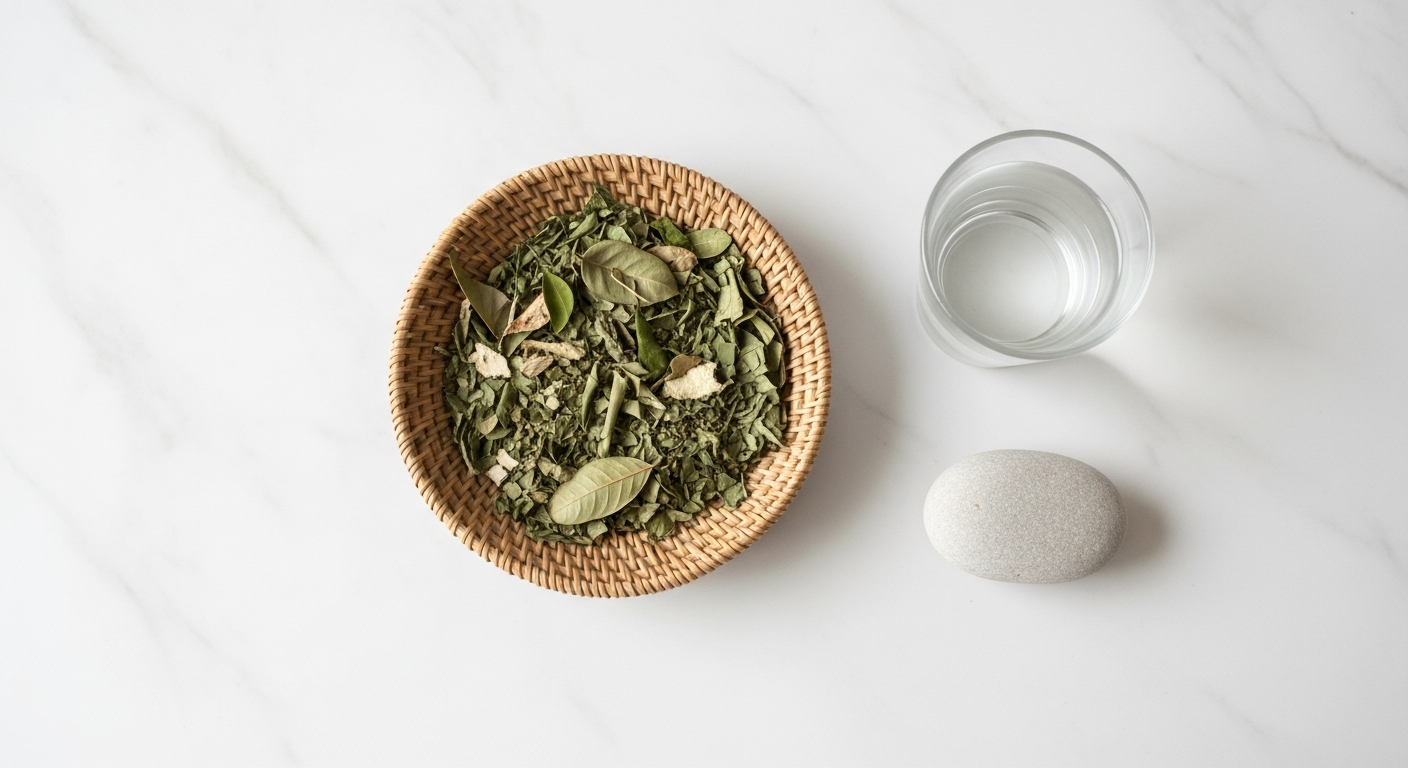
Make pure water your primary beverage. Explore coconut water for electrolytes and fresh fruit juices (without added sugar) as occasional treats. Herbal teas, especially ginger or moringa tea, offer both flavor and medicinal benefits.
5. Explore Ital-Inspired Cooking
Caribbean cuisine offers a wealth of Ital-friendly dishes. Look for recipes for:
- Callaloo: A leafy green stew, often made with okra and spices.
- Ackee and vegetables: Traditionally paired with saltfish, but equally delicious with sautéed vegetables like bell peppers and onions.
- Root vegetable stews: Hearty and nutritious, featuring yams, sweet potatoes, dasheen, and carrots.
- Gungo peas and rice: A flavorful rice dish with pigeon peas and herbs.
- Mushroom dishes: Mushrooms are often used as a hearty meat substitute.
These dishes demonstrate how vibrant and satisfying Ital meals can be, proving that eating naturally doesn’t mean sacrificing flavor.
6. Grow Your Own (If Possible)
Connecting with your food source is a powerful Ital principle. If you have a garden or even a windowsill, try growing herbs, leafy greens, or small vegetables. This practice not only provides fresh ingredients but also deepens your connection to nature and the food you consume.
7. Mindful Eating
Beyond the food itself, adopt the Rastafarian emphasis on mindful eating. Eat slowly, savor your meals, and give thanks for your nourishment. Pay attention to your body’s signals of hunger and fullness, fostering a more intuitive relationship with food.
Actionable Tip: Commit to preparing one traditional Caribbean dish using Ital principles this week. Choose a recipe for a callaloo stew or a root vegetable curry, focusing on fresh, unprocessed ingredients and relying on herbs and spices for flavor instead of added salt. This hands-on experience will help you understand the versatility and deliciousness of Ital cooking.
The Reggae Connection: Music, Culture, and Ital Livity
Reggae music is more than just a genre; it is a cultural movement, a spiritual declaration, and a powerful vehicle for disseminating Rastafarian philosophy, including the principles of Ital and Livity, across the globe. From its inception in Jamaica, reggae has been intrinsically linked to the Rastafari faith, with many of its pioneering artists being devout adherents who used their music to spread messages of unity, justice, liberation, and natural living.
The lyrics of reggae songs often serve as vibrant sermons, educating listeners about the importance of purity in diet and lifestyle. Artists like Bob Marley, arguably the most iconic reggae musician, frequently advocated for natural living and an Ital diet. Songs like “Natural Mystic” and “Lively Up Yourself” subtly or overtly reflect Rastafarian ideals of health and consciousness. Marley himself was a strict adherent to Ital principles, and his lifestyle influenced millions, making the Ital diet synonymous with authenticity and a rejection of artificiality.
Beyond Marley, numerous reggae artists have championed Ital. Burning Spear, with his deep roots in Rastafarian culture, consistently weaves themes of African heritage, natural eating, and spiritual upliftment into his music. Modern artists like Chronixx and Protoje continue this legacy, integrating conscious lyrics about wholesome food choices and environmental stewardship into their contemporary reggae and dancehall sounds. Sizzla Kalonji, another prominent figure, is well-known for his passionate advocacy of the Ital diet and his calls for Rastafarians to embrace a pure and natural way of life.
The cultural impact extends beyond just lyrics. Reggae festivals and concerts, whether in Jamaica or abroad, often feature Ital food vendors, offering attendees a taste of this wholesome cuisine. These events become living showcases of Rastafarian culture, where music, food, and philosophy merge to create an immersive experience. The availability of Ital food at these gatherings reinforces the connection between the music’s message and the practical application of Livity.
Reggae’s emphasis on “roots” and “culture” is directly reflected in the Ital diet’s focus on natural, unprocessed foods that connect individuals to the earth and their heritage. The music’s rhythm, often described as a heartbeat, mirrors the vitality and life-giving energy that Ital food aims to cultivate. It promotes a conscious awareness of what we put into our bodies, understanding that just as music nourishes the soul, food nourishes the temple.
In essence, reggae music acts as a global ambassador for the Ital lifestyle. It not only entertains but also educates, inspires, and calls for a healthier, more conscious way of being. Through the universal language of music, the principles of the Rastafarian diet and wellness have transcended geographical boundaries, inviting people from all walks of life to consider a path of purity, vitality, and spiritual alignment.
Actionable Tip: Create a playlist of conscious reggae music (e.g., Bob Marley, Chronixx, Burning Spear, Sizzla). As you listen, pay close attention to the lyrics. Identify messages about natural living, social justice, and spiritual well-being, and reflect on how these themes resonate with the principles of the Ital diet and holistic Livity.
Challenges and Adaptations: Modern Interpretations of Ital
While the core principles of Ital remain steadfast, the application of the Rastafarian diet and wellness philosophy in the modern world presents both challenges and opportunities for adaptation. Living in a globalized society, especially outside of the Caribbean, can make strict adherence difficult, but the spirit of Ital can still be embraced and integrated into diverse lifestyles.
Challenges:
- Availability of Authentic Ingredients: Sourcing fresh, local, and organic produce can be a challenge in urban environments or regions with limited agricultural diversity. Some traditional Caribbean root vegetables or greens may not be readily available.
- Processed Food Dominance: Modern food systems are heavily skewed towards processed and convenience foods, making it difficult to avoid artificial additives and refined ingredients, especially when dining out or traveling.
- Dietary Knowledge: For those new to Ital, understanding how to balance a purely plant-based diet to ensure adequate protein, iron, B12 (often supplemented for strict vegans), and other nutrients requires research and careful meal planning.
- Social Acceptance: Adhering to strict dietary guidelines, especially avoiding salt and certain common ingredients, can sometimes lead to social awkwardness or limited options when eating with non-Rastafarian friends and family.
Adaptations and Modern Interpretations:
Recognizing these challenges, many individuals and even some Rastafarian communities have developed adaptations that uphold the spirit of Ital while navigating modern realities:
- Flexitarian Ital: Some individuals adopt a “flexitarian” approach, primarily eating Ital but occasionally making exceptions for social reasons or when strictly Ital options are unavailable, while always prioritizing whole, unprocessed foods.
- Global Ingredient Sourcing: With the rise of international markets and online delivery services, it’s becoming easier to source diverse fresh produce and exotic spices, making a varied Ital diet more achievable globally.
- Emphasis on “Spirit Over Rules”: Many Rastas emphasize that the intention behind eating is as important as strict adherence to every rule. The core principle of respect for the body as a temple and eating natural, life-giving foods remains paramount, even if minor adjustments are made.
- Creative Plant-Based Cooking: The proliferation of vegan and plant-based recipes and products offers a wealth of resources for creating delicious and nutritionally complete Ital-friendly meals. Utilizing ingredients like tofu, tempeh, and a wide array of lentils and beans can ensure protein intake.
- Conscious Substitutions: If fresh ingredients are scarce, opting for frozen (without additives) or dried whole foods (like lentils) is a conscious choice preferable to highly processed alternatives. Using natural sea salt in moderation might be an adaptation for some, focusing on reducing overall intake rather than absolute avoidance.
- Community Gardens and Farmers Markets: A growing trend towards supporting local farmers markets and community gardens aligns perfectly with Ital principles, providing fresh, often organic, and locally sourced produce.
The evolving interpretation of Ital demonstrates its enduring relevance. It’s a testament to a philosophy that encourages personal responsibility, mindful consumption, and a continuous striving for a healthier, more spiritual existence. Whether one adheres strictly or adapts flexibly, the underlying message of nourishing the body and soul with the best of what nature offers remains a powerful guide for wellness in any era.
Actionable Tip: Identify one core Ital principle that resonates most strongly with you (e.g., eating unprocessed foods, minimizing sugar, plant-based eating). Focus on consistently applying this principle in your daily life, even if you can’t adhere to every single rule. Small, consistent changes often lead to the most sustainable and impactful results.
Conclusion: Embrace the Vitality of Ital
The journey through the Rastafarian diet and wellness principles reveals far more than just a list of foods; it uncovers a holistic philosophy of Livity – a conscious, natural way of living that honors the body as a temple and fosters deep connections with nature, community, and the divine. From the vibrant, plant-based bounty of Ital cuisine to the meditative rhythms of reggae and the communal wisdom of reasoning sessions, Rastafarian culture offers a powerful blueprint for vital health and spiritual well-being.
As we’ve explored, the Ital diet’s emphasis on whole, unprocessed, natural foods aligns perfectly with modern nutritional science, promising benefits such as reduced risk of chronic diseases, improved digestion, increased energy, and mental clarity. But its true power lies in its spiritual foundation, reminding us that what we consume impacts not only our physical state but also our mental and spiritual vitality.
Embracing Ital, in its truest sense, is about intentional living – making conscious choices that promote life, purity, and harmony. Whether you choose to adopt every aspect of the Rastafarian diet or simply integrate some of its core principles into your current lifestyle, the pursuit of “vital” living can profoundly transform your health and perspective. It’s an invitation to slow down, reconnect with the earth, savor the natural flavors of creation, and listen to the rhythm of your own well-being.
Next Step / Call to Action: We encourage you to start your own journey towards vital living today. Pick one practical step from this article – perhaps trying a new Ital-inspired recipe, replacing a processed food with a natural alternative, or dedicating time to mindful connection with nature. Share your experiences with us in the comments below or tag Heartbeat Reggae on social media. Let’s cultivate a global community committed to health, harmony, and the irie vibes of natural living!
Frequently Asked Questions
References
- Critical Reviews in Food Science and Nutrition. (2017). Meta-analysis on plant-based diets and chronic disease risk. [Specific study details would be added here if available, e.g., DOI or full citation].