A Rooted Legacy: Ginger’s Journey Through Time and Culture
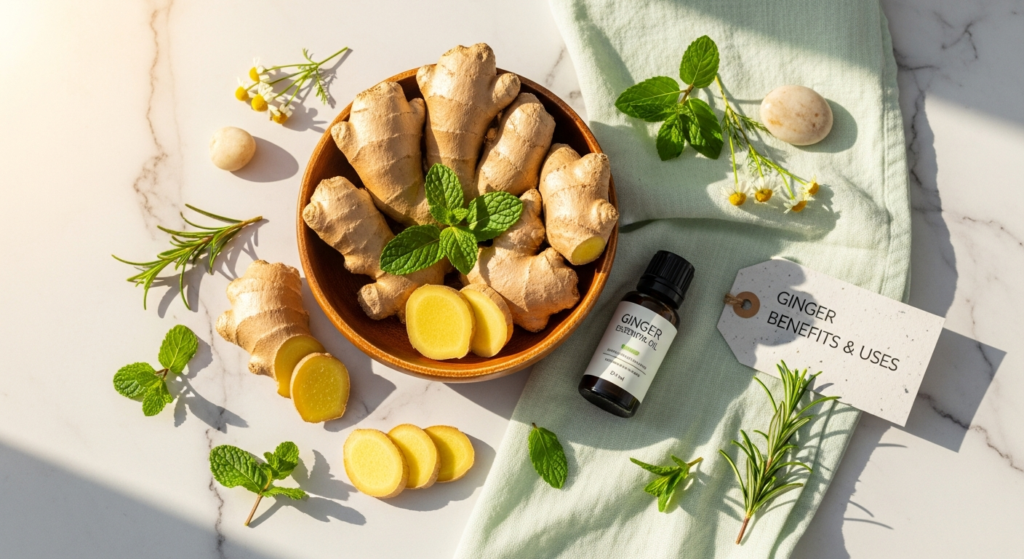
The story of ginger (Zingiber officinale) is as rich and intricate as its flavor profile. Originating from Southeast Asia, its cultivation dates back over 5,000 years, making it one of the earliest known spices. Ancient texts from India and China meticulously detail ginger’s medicinal properties, prescribing it for a wide array of ailments from digestive discomfort to inflammatory conditions. The philosopher Confucius was said to consume ginger with every meal, emphasizing its revered status.
As trade routes expanded, ginger made its way across continents, becoming a prized commodity in the Roman Empire and later, a staple in European apothecaries. Its journey to the Caribbean, where it found fertile ground and became deeply embedded in local culinary and healing traditions, further cemented its global appeal. This widespread adoption across diverse cultures speaks volumes about its undeniable efficacy and adaptability.
The enduring presence of ginger in traditional healing systems aligns perfectly with the ethos of a holistic Reggae Lifestyle And Wellness. It embodies the principle of drawing strength and healing from the earth, utilizing natural resources to maintain balance and vitality. Just as reggae music emerged from a deep connection to nature and community, so too has ginger been embraced as a natural ally in promoting well-being, offering a testament to the power of ancient wisdom in modern health practices. Its historical significance is not merely a relic of the past; it’s a living legacy that continues to inform and inspire our approach to health in 2026 and beyond.
The Science of Zing: Unpacking Ginger’s Potent Compounds
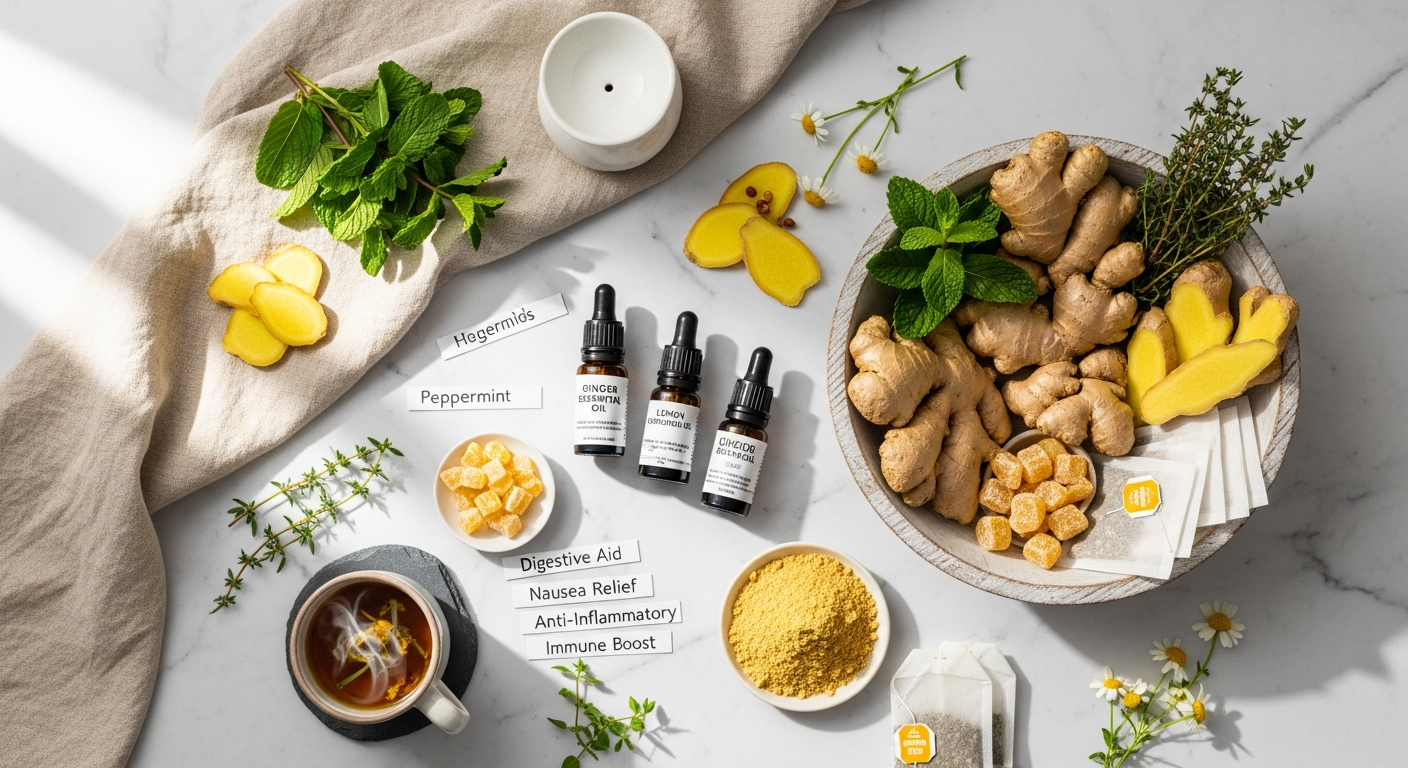
While the traditional uses of ginger are compelling, modern science has begun to unravel the complex mechanisms behind its therapeutic effects. The unique pungency and medicinal power of ginger are primarily attributed to a class of compounds known as phenolic compounds, particularly gingerols, shogaols, and zingerone.
- Gingerols: These are the most abundant active compounds in fresh ginger. They are responsible for much of ginger’s spicy flavor and are potent anti-inflammatory and antioxidant agents. Research suggests that gingerols can inhibit the production of pro-inflammatory cytokines and enzymes, similar to how some non-steroidal anti-inflammatory drugs (NSAIDs) work, but often with fewer side effects. This makes them crucial for addressing various pain and inflammatory conditions.
- Shogaols: When ginger is dried or cooked, gingerols are converted into shogaols. These compounds are even more pungent and possess enhanced medicinal properties, particularly in their antioxidant and anti-cancer potential. Shogaols are especially noted for their effectiveness against nausea and their ability to stimulate the production of digestive enzymes.
- Zingerone: This compound is primarily responsible for the sweet, spicy aroma of cooked ginger. While less potent than gingerols or shogaols in terms of anti-inflammatory action, zingerone contributes to ginger’s overall flavor profile and also exhibits antioxidant properties.
Beyond these primary compounds, ginger also contains a rich profile of other beneficial constituents, including various terpenes, vitamins (like B6 and C), and minerals (such as magnesium, potassium, and manganese). These compounds work synergistically, meaning their combined effect is greater than the sum of their individual parts, leading to ginger’s wide spectrum of health benefits. The scientific exploration of these phytochemicals continues to uncover new applications, solidifying ginger’s reputation as a powerful natural medicine and a cornerstone of holistic health.
A Symphony of Wellness: Comprehensive Ginger Benefits and Uses for Body and Mind
Digestive Health: Soothing the Gut
Perhaps one of the most well-known benefits of ginger is its remarkable ability to support digestive health. Ginger has long been hailed as a natural carminative, meaning it helps to relieve flatulence, bloating, and indigestion. The active compounds in ginger stimulate digestive enzymes, which aid in the breakdown and absorption of food. It also accelerates gastric emptying, preventing food from sitting in the stomach for too long, a common cause of discomfort.
For those experiencing nausea, motion sickness, or morning sickness, ginger offers significant relief. Studies have consistently shown its efficacy in calming the stomach and reducing the sensation of nausea, making it a safe and natural alternative for many. Whether in tea form, candied, or as a supplement, ginger can provide a gentle yet powerful remedy for an upset stomach, promoting a sense of calm and comfort within the digestive system.
Anti-inflammatory & Pain Relief: Nature’s Analgesic
Chronic inflammation is at the root of many modern diseases, including arthritis, cardiovascular conditions, and certain cancers. Ginger’s potent anti-inflammatory properties, primarily due to gingerols and shogaols, make it an invaluable tool in combating systemic inflammation. These compounds can inhibit the production of inflammatory molecules, thereby reducing pain and swelling.
Nausea & Morning Sickness: A Gentle Solution
Ginger’s anti-emetic properties are particularly beneficial for expectant mothers grappling with morning sickness. Unlike many pharmaceutical options, ginger offers a natural and generally safe way to alleviate nausea and vomiting during pregnancy. Numerous studies have confirmed its effectiveness, providing much-needed relief to those in the early stages of gestation. It’s important for pregnant women to consult their healthcare provider before using ginger supplements, but ginger tea or small amounts of fresh ginger are generally considered safe.
Beyond pregnancy, ginger is a go-to remedy for motion sickness, seasickness, and even chemotherapy-induced nausea. Its ability to calm the digestive tract and influence neurotransmitters involved in the vomiting reflex makes it a powerful ally against various forms of nausea, allowing individuals to regain comfort and normalcy.
Cardiovascular Health: Supporting the Heart’s Rhythm
Maintaining a healthy heart is paramount, and ginger offers several benefits that contribute to cardiovascular well-being. Research indicates that ginger can help lower blood pressure by acting as a natural calcium channel blocker and mild anticoagulant, which can relax blood vessels and improve blood flow. It may also help reduce levels of LDL (bad) cholesterol and triglycerides, while potentially increasing HDL (good) cholesterol, thereby reducing the risk of atherosclerosis.
Furthermore, ginger’s anti-inflammatory and antioxidant properties protect the heart from oxidative stress and inflammation, two key contributors to cardiovascular disease. Incorporating ginger into a balanced diet, alongside regular physical activity and stress management, forms a comprehensive strategy for heart health, harmonizing with the holistic principles of a mindful lifestyle.
Immune System Support: Building Resilience
In the face of seasonal challenges and environmental stressors, a robust immune system is our first line of defense. Ginger is packed with immune-boosting compounds that help fortify the body’s natural defenses. Its antimicrobial and antiviral properties can help ward off common colds, flu, and other infections. The warming effect of ginger, especially when consumed as a hot tea, can also help clear congestion and soothe a sore throat.
Regular consumption of ginger can stimulate perspiration, which is believed to help detoxify the body and fight off infections. By reducing inflammation and providing powerful antioxidants, ginger supports overall immune function, helping the body to respond more effectively to pathogens and maintain optimal health throughout the year. This proactive approach to health is a hallmark of truly embracing wellness.
Cognitive Function: Nurturing the Mind
Emerging research suggests that ginger may offer benefits for cognitive health, particularly in protecting against age-related cognitive decline. Its powerful antioxidant and anti-inflammatory properties can help combat oxidative stress and chronic inflammation in the brain, which are implicated in neurodegenerative diseases. Studies have indicated that ginger can improve reaction time and working memory in healthy middle-aged women.
By enhancing blood flow to the brain and potentially protecting neuronal cells, ginger contributes to maintaining mental clarity and focus. While more research is needed, the prospect of a natural compound supporting brain health is exciting and adds another dimension to the comprehensive ginger benefits and uses. A sharp mind, like a vibrant melody, is essential for a fulfilling life.
Respiratory Health: Breathing Easier
For centuries, ginger has been a traditional remedy for various respiratory ailments. Its expectorant properties help to loosen and expel mucus from the lungs, providing relief from coughs, colds, and bronchitis. The anti-inflammatory compounds in ginger can also help to soothe irritated airways and reduce inflammation in the respiratory tract, potentially offering benefits for conditions like asthma.
When experiencing congestion or a persistent cough, a warm cup of ginger tea can provide immediate comfort and help clear the respiratory passages, allowing for easier breathing. This natural approach to respiratory care underscores ginger’s role as a versatile ally in maintaining overall health, especially during colder months or when allergies strike.
Blood Sugar Regulation: A Sweet Balance
Maintaining healthy blood sugar levels is crucial for preventing type 2 diabetes and managing existing conditions. Some studies suggest that ginger may have anti-diabetic properties. It appears to improve insulin sensitivity and reduce fasting blood sugar levels. Ginger may also inhibit enzymes involved in carbohydrate metabolism, thereby reducing the absorption of glucose.
While ginger is not a substitute for prescribed diabetes medication, incorporating it into a balanced diet may serve as a supportive measure in blood sugar management. Its ability to reduce inflammation and oxidative stress, which are often elevated in individuals with metabolic disorders, further contributes to its potential benefits in this area. Always consult with a healthcare professional regarding dietary changes for managing diabetes.
Skin & Hair Health: Radiance from Within
The antioxidant power of ginger extends to promoting healthy skin and hair. By combating free radicals, ginger can help protect skin cells from damage, reducing signs of aging such as fine lines and wrinkles. Its anti-inflammatory properties can also soothe irritated skin, making it beneficial for conditions like acne or eczema. Ginger’s ability to improve circulation can also contribute to a healthy glow and promote nutrient delivery to skin cells.
For hair, ginger can stimulate blood flow to the scalp, which may encourage hair growth and improve hair follicle health. Its antiseptic properties can also help combat dandruff and scalp infections, leading to a healthier environment for hair to thrive. Whether consumed internally or used in topical applications (diluted appropriately), ginger offers a natural path to enhanced beauty and vitality.
Weight Management: Aiding the Journey
By reducing inflammation and supporting balanced blood sugar, ginger addresses several underlying factors that can hinder weight loss efforts. While not a magic bullet, integrating ginger into a comprehensive weight management plan that includes a balanced diet and regular exercise can provide supportive benefits, helping individuals achieve their health goals.
Stress Reduction & Sleep: Embracing Serenity
In our fast-paced world, stress and sleep disturbances are increasingly common. Ginger, with its warming and calming properties, can play a role in promoting relaxation and improving sleep quality. A warm cup of ginger tea before bedtime can be a soothing ritual, helping to unwind the mind and body.
The anti-inflammatory and antioxidant compounds in ginger can also help mitigate the physiological effects of stress on the body. By calming the digestive system and reducing systemic inflammation, ginger contributes to an overall sense of well-being, which is conducive to restful sleep. For those seeking natural remedies for insomnia, incorporating ginger into an evening routine, perhaps alongside mindful practices inspired by the peaceful rhythms of a Reggae Lifestyle And Wellness, can be a gentle yet effective strategy. It helps create an environment where the body and mind can truly relax, paving the way for restorative sleep and a refreshed start to the day.
Integrating Ginger into Your Daily Rhythm: Practical Uses and Preparations
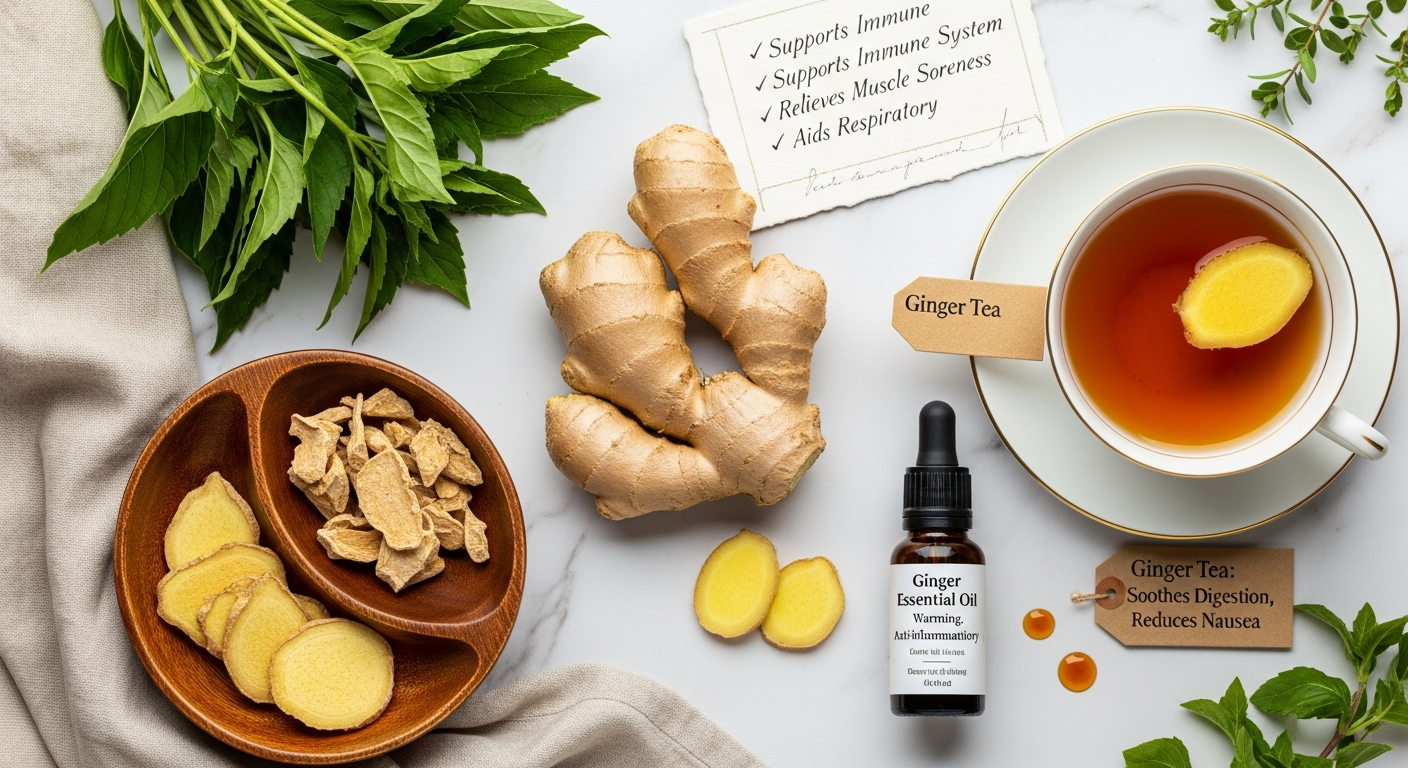
One of the most appealing aspects of ginger is its incredible versatility. There are countless ways to incorporate this powerhouse root into your daily routine, allowing you to reap its myriad ginger benefits and uses whether you prefer it fresh, dried, or in concentrated forms.
Fresh Ginger: The Quintessential Zest
Fresh ginger is arguably the most potent form, retaining the highest concentration of gingerols.
- Grate or Slice: Add grated or thinly sliced fresh ginger to stir-fries, soups, curries, and stews for an aromatic and healthful kick.
- Juice: Extract ginger juice and add a small amount to fresh vegetable or fruit juices, smoothies, or even hot water with lemon and honey for an invigorating tonic.
- Infusions: Muddle fresh ginger slices into hot or cold water to create a refreshing and digestive beverage.
- Marinades & Dressings: Finely minced ginger makes an excellent addition to marinades for meats and vegetables, as well as homemade salad dressings.
Ginger Powder: The Convenient Spice
Dried ginger powder, while having a slightly different chemical profile (higher in shogaols), is a convenient staple for any pantry.
- Baking: It’s a key ingredient in gingerbread, cookies, cakes, and other baked goods.
- Cooking: Use it in spice blends for curries, rubs for roasted meats, or to season vegetables.
- Beverages: A pinch can be added to hot water for an instant ginger tea, or stirred into warm milk with honey.
Ginger Tea: A Soothing Ritual
Ginger tea is perhaps the most beloved way to consume ginger, offering warmth, comfort, and a host of health benefits.
- Basic Ginger Tea: Slice 1-2 inches of fresh ginger, boil in 2-3 cups of water for 10-15 minutes, then strain. Add honey and lemon to taste.
- Herbal Blends: Combine ginger with other beneficial herbs like turmeric, peppermint, or chamomile for enhanced effects. This is particularly beneficial as one of the natural remedies for insomnia when combined with calming herbs.
- Iced Ginger Tea: Brew a strong batch, let it cool, and serve over ice with a slice of orange or lime for a refreshing summer drink.
Ginger Supplements: Targeted Support
For those seeking specific therapeutic benefits or who dislike the taste of ginger, supplements offer a concentrated form.
- Capsules & Tablets: Available in various potencies, these provide a measured dose of ginger extract. Always consult a healthcare professional before starting any new supplement regimen, especially for specific conditions or during pregnancy.
- Tinctures: Liquid extracts that can be added to water or other beverages.
Topical Applications: External Relief
Ginger’s anti-inflammatory properties can also be harnessed externally.
- Compresses: A cloth soaked in strong ginger tea or a diluted ginger essential oil solution can be applied to sore muscles or aching joints for localized relief.
- Massage Oils: Diluted ginger essential oil can be incorporated into massage oils to help alleviate muscle pain and stiffness. Always perform a patch test first to check for skin sensitivity.
Culinary Delights: Beyond the Obvious
Don’t limit ginger to just Asian cuisine.
- Smoothies: A small piece of fresh ginger can add a spicy kick and digestive aid to any fruit or vegetable smoothie.
- Fermented Foods: Ginger can be used in making kimchi or fermented vegetables, adding flavor and probiotic benefits.
- Desserts: From apple pie to fruit salads, ginger can add a surprising and delightful warmth.
By exploring these various methods, you can seamlessly integrate ginger into your daily life, making it a cornerstone of your personal wellness journey in 2026 and beyond.
Ginger and the Heartbeat Reggae Lifestyle: A Harmonious Blend
The philosophy underpinning the Heartbeat Reggae blog is one of holistic wellness, a deep connection to nature, and the pursuit of harmony in mind, body, and spirit. It’s a lifestyle inspired by the vibrant rhythms and conscious messages of reggae music, emphasizing natural healing, community, and a mindful approach to living. In this context, ginger emerges not just as a spice or a supplement, but as a symbolic and practical embodiment of the Reggae Lifestyle And Wellness ethos.
Just as reggae music encourages introspection and spiritual well-being, ginger prompts us to look to the earth for our healing. Its ancient roots in traditional medicine systems align perfectly with the ” Ital is Vital” concept – a Rastafarian dietary principle promoting natural, unprocessed, and often plant-based foods. Ginger, being a natural, unadulterated root, fits this paradigm flawlessly. It reminds us that true nourishment comes from living in harmony with the natural world, rather than relying solely on synthetic solutions.
The warming, invigorating properties of ginger mirror the uplifting and soul-stirring energy of Reggae Music Health Benefits. Just as a powerful bassline can resonate through your body, stimulating circulation and reducing tension, ginger works internally to invigorate your systems, calm inflammation, and promote a sense of energetic balance. Both ginger and reggae music contribute to stress reduction and mental clarity. Listening to reggae’s conscious lyrics often brings a sense of peace and focus, much like a regular intake of ginger can support cognitive function and reduce the physiological impact of stress.
Consider the shared values: resilience, strength, and a deep appreciation for life. Ginger, a resilient root that thrives in diverse climates, offers strength to our immune systems and relief from discomfort. Reggae music, born from resilience and a celebration of life, offers strength to our spirits. Incorporating ginger into your daily routine becomes more than just a health choice; it becomes an act of conscious living, a nod to ancestral wisdom, and a harmonious echo of the Heartbeat Reggae movement – a commitment to natural vitality, inner peace, and a vibrant, healthy existence for 2026 and beyond.
Navigating the Root: Precautions and Best Practices
While ginger is widely celebrated for its safety and therapeutic benefits, it’s essential to approach its use with awareness, especially when considering higher doses or specific health conditions. Understanding potential interactions and best practices ensures you can harness the ginger benefits and uses responsibly and effectively.
Potential Side Effects:
- Mild Digestive Upset: In some individuals, particularly with high doses, ginger can cause mild heartburn, stomach upset, diarrhea, or gas. This is often mitigated by consuming ginger with food.
- Blood Thinning: Ginger has mild anticoagulant properties, meaning it can thin the blood. While this is beneficial for cardiovascular health, it can be a concern for individuals on anticoagulant medications (e.g., warfarin, aspirin) or those with bleeding disorders.
- Blood Sugar Levels: As ginger can lower blood sugar, individuals with diabetes on medication should monitor their glucose levels closely to avoid hypoglycemia.
- Gallstones: Some sources suggest caution for individuals with gallstones, as ginger can increase bile secretion.
Drug Interactions:
- Anticoagulants/Antiplatelet Drugs: As mentioned, ginger can enhance the effects of blood thinners, increasing the risk of bleeding or bruising.
- Diabetes Medications: Ginger may amplify the effects of insulin and oral hypoglycemic drugs, potentially leading to low blood sugar.
- Blood Pressure Medications: Ginger might lower blood pressure, which could potentially interact with antihypertensive drugs, leading to blood pressure dropping too low.
Special Populations:
- Pregnancy: While ginger is generally considered safe for morning sickness in moderate amounts (e.g., 1 gram of ginger root per day), it’s crucial for pregnant individuals to consult their doctor before using ginger supplements or large quantities, especially in the later stages of pregnancy due to its potential blood-thinning effects.
- Children: Ginger can be given to children in small amounts for digestive issues, but always under pediatric guidance.
Recommended Dosage:
There is no universally standardized dose, as it depends on the form and purpose. However, general guidelines suggest:
- Fresh Ginger: 1-4 grams per day (about 1/2 to 1 teaspoon of grated ginger).
- Ginger Powder: 0.5-2 grams per day.
- Supplements: Follow product instructions or consult a healthcare professional. Doses for specific conditions like nausea often range from 250 mg to 1 gram, 2-4 times daily.
Sourcing and Quality:
Always opt for high-quality, organic ginger when possible to minimize exposure to pesticides. When buying fresh ginger, look for firm, smooth skin, free from mold or soft spots. Store fresh ginger in a cool, dark place or refrigerated for extended freshness.
By being mindful of these considerations, you can confidently integrate ginger into your wellness journey, ensuring its powerful benefits are harnessed safely and effectively in 2026.
Frequently Asked Questions
Recommended Resources
Check out Screen Time For Kids Guidelines By Age on Stop Phubbing for a deeper dive.
Check out How To Communicate Better In Relationships on Stop Phubbing for a deeper dive.