Understanding Your Nervous System: The Foundation of Well-being
Our nervous system is an intricate, sophisticated network that governs every function in our body, from breathing and digestion to thoughts and emotions. It’s the master control panel, constantly receiving and interpreting signals from both our internal and external environments. Broadly, it comprises two main branches: the sympathetic nervous system (SNS) and the parasympathetic nervous system (PNS).
- The Sympathetic Nervous System (SNS): Often dubbed the “fight, flight, or freeze” system, the SNS is designed for survival. When activated, it floods the body with adrenaline and cortisol, increasing heart rate, dilating pupils, tensing muscles, and diverting blood flow to essential organs for rapid response. While crucial for escaping danger, chronic SNS activation due to everyday stressors can lead to persistent anxiety, digestive issues, sleep disturbances, and a weakened immune system.
- The Parasympathetic Nervous System (PNS): This is our “rest and digest” or “tend and befriend” system. Its primary role is to bring the body back to a state of calm, promoting relaxation, healing, and restoration. It lowers heart rate, aids digestion, repairs tissues, and fosters social connection. A well-regulated nervous system allows us to fluidly move between these two states, engaging the SNS when necessary and returning to PNS dominance for recovery.
Beyond these two, the fascinating Polyvagal Theory, developed by Dr. Stephen Porges, offers a deeper understanding of our vagus nerve and its role in social engagement, safety, and self-regulation. It suggests that our nervous system operates on a hierarchy, with different vagal pathways influencing our capacity for connection, defense, and shutdown. When we feel safe, our ventral vagal complex is active, fostering social engagement and emotional regulation. When threatened, our sympathetic system might take over, leading to fight or flight. If these fail, our dorsal vagal complex might lead to a state of shutdown or dissociation. The goal of nervous system regulation exercises is to enhance our capacity to access the ventral vagal state, cultivating a greater sense of safety, connection, and peace within ourselves and our environment.
Understanding these fundamental mechanisms is the first step toward reclaiming agency over your internal experience. It’s about recognizing that many of the physical and emotional symptoms we experience are not just “in our head” but are direct manifestations of an overwhelmed or dysregulated nervous system. By learning to consciously engage the parasympathetic branch, we can mitigate the detrimental effects of chronic stress and unlock our body’s natural capacity for healing and well-being. This awareness forms the bedrock of a truly holistic approach to health, echoing the conscious living principles inherent in the Reggae Lifestyle And Wellness philosophy.
Why Nervous System Regulation Matters for Modern Living
In the bustling landscape of 2026, the demands on our nervous systems are unprecedented. We are constantly bombarded with information, expectations, and stimuli, making it increasingly challenging to find moments of genuine rest and peace. This constant activation, often without adequate recovery, leads to a state of chronic stress that permeates every aspect of our lives.
A dysregulated nervous system can manifest in a myriad of ways:
- Physical Symptoms: Chronic fatigue, headaches, digestive issues (IBS, acid reflux), muscle tension, unexplained aches and pains, frequent illness, and even autoimmune flare-ups.
- Emotional Symptoms: Persistent anxiety, irritability, mood swings, feelings of overwhelm, sadness, and difficulty experiencing joy.
- Cognitive Symptoms: Brain fog, difficulty concentrating, impaired memory, indecisiveness, and a sense of mental exhaustion.
- Behavioral Symptoms: Sleep disturbances (including insomnia), changes in appetite, social withdrawal, increased reliance on coping mechanisms (e.g., caffeine, alcohol), and difficulty forming healthy relationships.
Consider the widespread issue of insomnia, a common struggle for many in our fast-paced society. Often, the inability to fall or stay asleep isn’t just about external factors, but a direct result of a hyperactive sympathetic nervous system that refuses to power down. The mind races, the body feels wired, and true rest becomes elusive. While there are numerous natural remedies for insomnia, many of them, at their core, aim to soothe and regulate the nervous system.
Beyond these individual symptoms, chronic nervous system dysregulation has broader implications for our overall health and longevity. It can contribute to inflammation, accelerate cellular aging, and increase the risk of chronic diseases such as heart disease and type 2 diabetes. Furthermore, it impacts our ability to connect authentically with others and to experience the world with curiosity and openness, diminishing our quality of life.
The good news is that our nervous system is not a fixed entity; it possesses remarkable neuroplasticity, meaning it can be rewired and retrained. Through consistent engagement with nervous system regulation exercises, we can gradually shift our baseline state from one of chronic stress to one of greater calm and resilience. This isn’t about eliminating stress entirely – that’s an impossible and undesirable goal – but rather about enhancing our capacity to respond to stress effectively and to return to a state of equilibrium more quickly. It’s about empowering ourselves to be the conductors of our internal orchestra, much like a skilled reggae artist guides their band through intricate rhythms and melodies, creating harmony from individual parts.
Practical Exercises for Somatic Regulation and Resilience
Breathwork: The Immediate Anchor
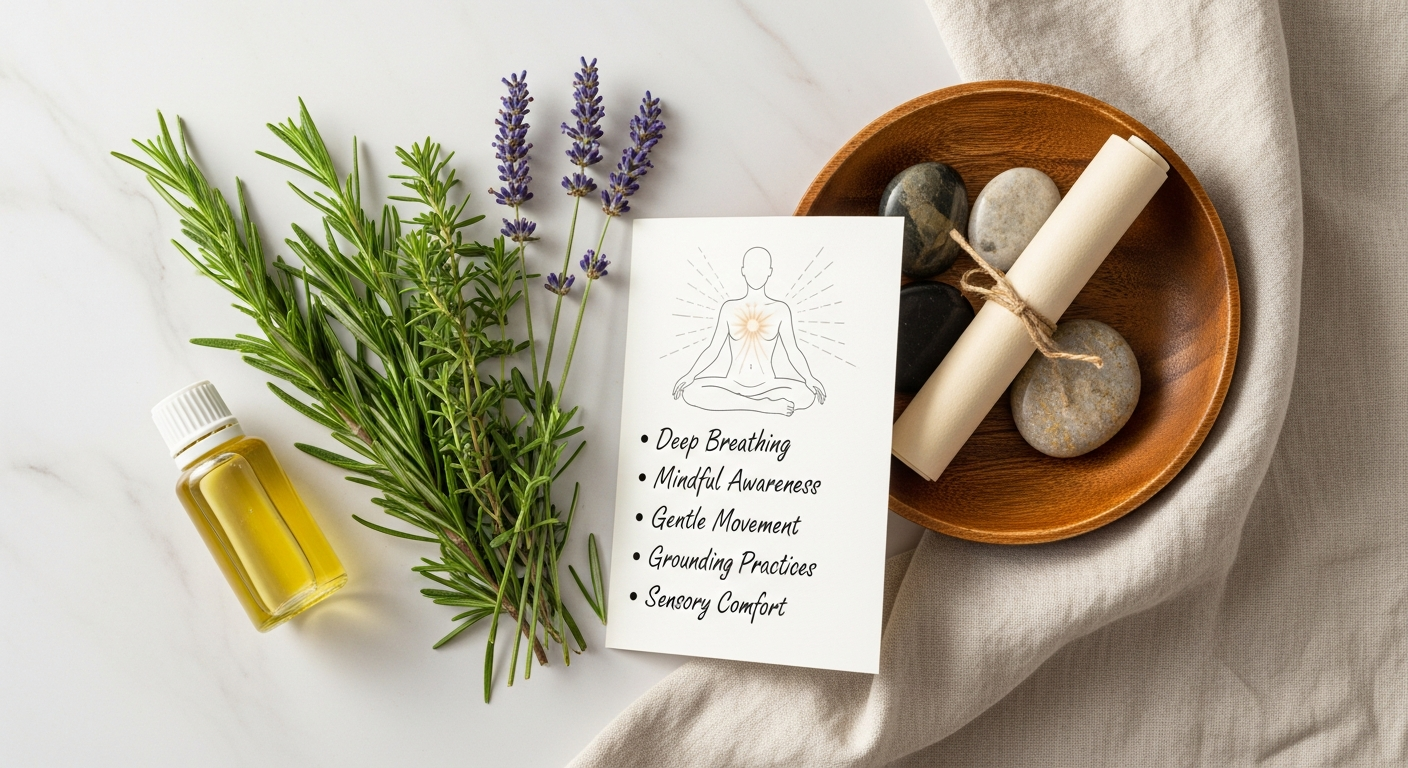
Your breath is arguably the most direct and potent tool for influencing your nervous system. Conscious breathing techniques can rapidly shift you from a sympathetic ‘fight or flight’ state to a parasympathetic ‘rest and digest’ state. The key is to engage the diaphragm, allowing for deep, slow, and full breaths.
- Diaphragmatic Breathing (Belly Breathing): Lie down or sit comfortably with one hand on your chest and the other on your belly. Inhale slowly through your nose, feeling your belly rise while your chest remains relatively still. Exhale slowly through pursed lips, feeling your belly fall. Aim for 5-10 minutes, focusing on lengthening your exhales, which activates the vagus nerve and stimulates the PNS. This simple practice is a powerful entry point for managing stress and a natural remedy for insomnia, signaling to your body that it’s safe to relax.
- Box Breathing (4-4-4-4): This technique involves inhaling for a count of four, holding your breath for a count of four, exhaling for a count of four, and holding your breath out for a count of four. Repeat this cycle for several minutes. Box breathing is excellent for centering the mind, reducing anxiety, and improving focus, making it a favorite among first responders and athletes.
- Alternate Nostril Breathing (Nadi Shodhana): A yogic practice that balances the hemispheres of the brain and calms the nervous system. Sit comfortably, close your right nostril with your right thumb, and inhale slowly through your left nostril. Close your left nostril with your ring finger, release your thumb, and exhale through your right nostril. Inhale through your right nostril, then close it and exhale through your left. Continue this alternating pattern. This is particularly effective for reducing stress and promoting mental clarity.
Regular practice of these breathing exercises creates new neural pathways, making it easier for your nervous system to return to a regulated state even during stressful situations. It’s like learning to play a musical instrument; consistent practice builds skill and fluency, allowing for spontaneous self-regulation.
Mindful Movement: Connecting Body and Mind
Movement isn’t just for physical fitness; it’s a vital pathway for releasing stored tension and trauma from the body, thereby regulating the nervous system. Engaging in mindful movement allows us to become more attuned to our body’s sensations and needs.
- Gentle Yoga and Stretching: Practices like Hatha or Restorative Yoga emphasize slow, deliberate movements and sustained stretches, often paired with breathwork. These practices help to release muscular tension, improve flexibility, and encourage the body to relax deeply. The focus on present-moment awareness inherent in yoga also fosters mindfulness, reducing rumination and anxiety.
- Somatic Exercises: These are gentle, slow movements designed to re-educate the nervous system and release chronic muscle contractions. Examples include pandiculation (a natural full-body yawn-like stretch), body scans, and movements inspired by Feldenkrais or Hanna Somatics. The goal is to bring conscious awareness to sensations, allowing the brain to regain control over chronically tight muscles.
- Walking in Nature: Spending time in green spaces has a profound calming effect on the nervous system. The rhythmic motion of walking, combined with the sensory input from nature (sights, sounds, smells), helps to ground us and reduce stress hormones. Make it a mindful walk by paying attention to your steps, the breeze on your skin, and the sounds around you.
Mindful movement practices are not about pushing your limits but about listening to your body. They help to discharge excess energy from the sympathetic nervous system and invite the parasympathetic system to take over, promoting a deeper sense of peace and integration.
Grounding Techniques: Reclaiming Your Present
When feeling overwhelmed or anxious, grounding techniques help bring your attention back to the present moment, shifting focus away from distressing thoughts or sensations. They are powerful tools for managing acute stress responses.
- The 5-4-3-2-1 Technique: This simple yet effective exercise engages all five senses. Identify: 5 things you can see, 4 things you can touch, 3 things you can hear, 2 things you can smell, and 1 thing you can taste. This diverts your mind from internal worries to external reality.
- Earthing/Grounding: Physically connecting with the earth by walking barefoot on grass, soil, or sand. The earth’s natural electrical charge is believed to have a calming effect on the body, reducing inflammation and improving sleep. This practice aligns perfectly with the natural reverence found in the Reggae Lifestyle And Wellness philosophy.
- Progressive Muscle Relaxation (PMR): Systematically tensing and then relaxing different muscle groups throughout your body. Start with your feet, tense them for 5 seconds, then completely release. Move up your body, group by group. This practice helps you become aware of physical tension and learn how to consciously release it, promoting deep relaxation.
Grounding techniques are essential for immediately interrupting a stress response and re-establishing a sense of safety and presence. They remind us that even when our minds race, our bodies are still here, connected to the tangible world.
Auditory & Vibrational Healing: The Reggae Connection
Sound and vibration have a direct impact on our nervous system, influencing our mood, heart rate, and brainwave activity. This is where the power of music, particularly reggae, shines as a therapeutic tool.
- Reggae Music Therapy: The rhythmic, often meditative beats and positive, uplifting messages of reggae music are inherently calming and harmonizing. The distinctive bassline and syncopated rhythms can entrain our brainwaves to a more relaxed state, reducing cortisol levels and promoting a sense of well-being. Listening to reggae can stimulate the vagus nerve through its positive emotional impact and rhythmic regularity, which in turn activates the parasympathetic nervous system. This is a profound example of the Reggae Music Health Benefits in action, offering a natural pathway to peace and joy.
- Sound Baths and Vibrational Healing: Experiencing sound baths with instruments like singing bowls, gongs, and chimes creates resonant frequencies that can shift brainwave states from beta (alert) to alpha or theta (relaxed, meditative). These deep vibrations can help release physical and emotional blockages, promoting a profound sense of calm and nervous system reset.
- Humming and Toning: The simple act of humming or toning (producing sustained vocal sounds) creates vibrations in the chest and throat that directly stimulate the vagus nerve. This is an accessible and immediate way to self-soothe and activate the PNS. Try humming your favorite reggae tune for a few minutes and notice the shift in your state.
Integrating these auditory and vibrational practices into your routine offers a holistic approach to nervous system regulation, leveraging the power of sound to soothe, uplift, and heal. The conscious choice of what we listen to, and how we engage with sound, becomes a powerful act of self-care.
Integrating Regulation into Your Reggae Lifestyle
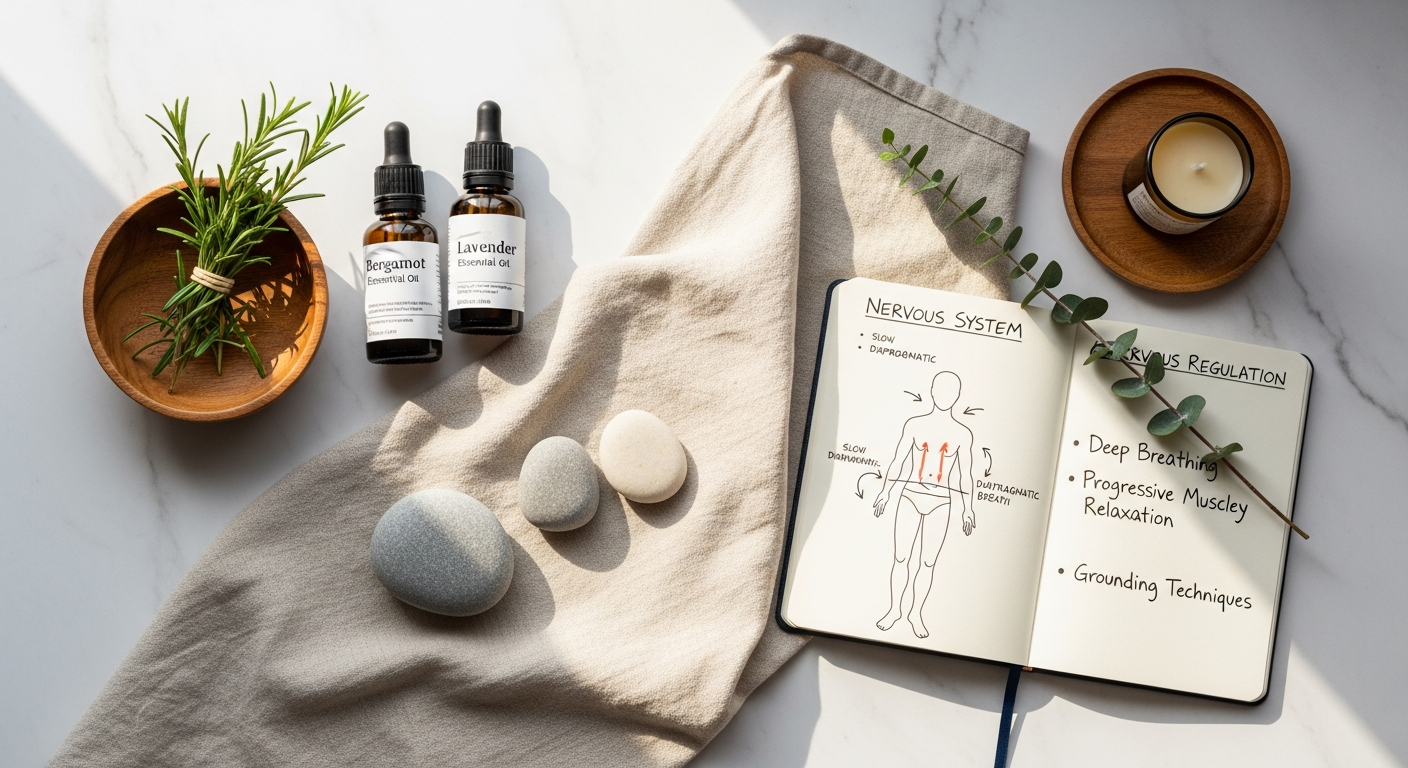
The principles of nervous system regulation are not new; they echo ancient wisdom and are deeply embedded within the holistic framework of the Reggae Lifestyle And Wellness philosophy. This lifestyle, often associated with Rastafarian culture, emphasizes natural living, conscious choices, community, spiritual connection, and a deep reverence for the earth. Integrating nervous system regulation into this framework amplifies its benefits, creating a harmonious and resilient way of being.
A core tenet of the reggae lifestyle is the pursuit of ‘I-tal’ living – a natural, pure, and vital way of eating and existing. This naturally supports a regulated nervous system by providing the body with nutrient-dense foods, avoiding processed items that can inflame the system, and promoting a connection to the earth’s rhythms. Eating fresh, organic produce, preparing meals with intention, and sharing food in community are all grounding practices that foster a sense of safety and belonging, directly impacting vagal tone.
Furthermore, the emphasis on community and social connection within the reggae culture plays a crucial role in nervous system health. The Polyvagal Theory highlights the importance of social engagement for activating the ventral vagal complex, leading to feelings of safety, connection, and co-regulation. Sharing laughter, engaging in meaningful conversations, participating in community gatherings, and offering mutual support are all powerful ways to soothe the nervous system and cultivate resilience against stress. The communal experience of Reggae Music Health Benefits, whether at a concert or a local gathering, creates a shared vibrational field of positivity and belonging that is profoundly regulating.
Mindfulness is another cornerstone. The meditative quality of reggae music itself encourages a state of presence and reflection. Taking time for quiet contemplation, connecting with nature, or simply being present in daily activities, such as sipping a cup of herbal tea, aligns with both nervous system regulation and the reggae ethos. These moments of intentional pause allow the body to shift out of sympathetic overdrive and into a state of calm, preventing the buildup of chronic stress.
Finally, the reggae lifestyle advocates for a conscious approach to sleep, recognizing its vital role in healing and restoration. Rather than relying on artificial stimulants or sedatives, the emphasis is on creating natural conditions for restful sleep. This includes maintaining a consistent sleep schedule, creating a peaceful sleep environment, and engaging in calming evening routines. Many of the natural remedies for insomnia discussed earlier, such as breathwork and mindful movement, are perfectly suited to prepare the body and mind for deep, restorative sleep, aligning seamlessly with a reggae-inspired wellness routine.
By intentionally weaving these practices into a lifestyle already rich in conscious living principles, we create a powerful synergy that supports sustained nervous system health. It’s about living in alignment with our true nature, much like a perfectly tuned instrument resonates with its intended sound, contributing to the harmonious rhythm of life.
Beyond Exercises: Holistic Approaches for Sustained Harmony
While specific nervous system regulation exercises are incredibly potent, true and lasting harmony comes from a holistic approach that addresses all facets of our well-being. These broader lifestyle choices and perspectives create a supportive ecosystem for a resilient nervous system.
- Nutrition as Foundation: What we consume directly impacts our brain chemistry and nervous system function. A diet rich in whole, unprocessed foods – fruits, vegetables, healthy fats (avocados, nuts, seeds), lean proteins, and complex carbohydrates – provides the necessary nutrients for neurotransmitter production and reduces inflammation. Avoiding excessive caffeine, sugar, and processed foods can significantly reduce nervous system agitation. For example, gut health is intrinsically linked to brain health via the gut-brain axis; a healthy microbiome contributes to a calmer nervous system. Embracing ‘I-tal’ eating principles, as found in the Reggae Lifestyle And Wellness, naturally supports this foundation.
- Quality Sleep: Sleep is when our body and mind repair and restore. Chronic sleep deprivation is a major contributor to nervous system dysregulation. Prioritizing 7-9 hours of quality sleep per night is non-negotiable for resilience. This involves creating a consistent sleep schedule, optimizing your sleep environment (dark, cool, quiet), and winding down with relaxing activities. Incorporating nervous system regulation exercises like diaphragmatic breathing or gentle stretching before bed can act as powerful natural remedies for insomnia, helping to signal to your body that it’s time to rest.
- Meaningful Connection: Humans are wired for connection. Isolation and lack of social support are significant stressors. Cultivating strong, supportive relationships, engaging in community activities, and fostering a sense of belonging are vital for nervous system health. Positive social interactions activate the ventral vagal complex, promoting feelings of safety and co-regulation. The emphasis on community and shared experience in reggae culture offers a beautiful example of this.
- Time in Nature: Reconnecting with the natural world has profound calming effects. Spending time outdoors, whether it’s a walk in the park, gardening, or simply sitting by a body of water, helps to ground us, reduce stress hormones, and improve mood. The sensory input from nature (the sounds of birds, the scent of earth, the sight of green) is inherently regulating.
- Purpose and Passion: Engaging in activities that bring you joy, meaning, and a sense of purpose contributes significantly to overall well-being and nervous system resilience. When we feel fulfilled, we are less susceptible to the draining effects of stress. This could be creative pursuits, volunteering, learning new skills, or anything that ignites your spirit.
- Mindful Media Consumption: Be conscious of the information you consume. Constant exposure to negative news, violent entertainment, or social media comparison can keep your nervous system in a state of alert. Curate your media diet, choosing content that is uplifting, informative, or inspiring, much like the positive vibrations and conscious messages found in Reggae Music Health Benefits.
- Professional Support: Sometimes, self-regulation isn’t enough, especially if you’ve experienced significant trauma or chronic stress. Seeking support from therapists, counselors, or somatic practitioners who specialize in nervous system healing can provide invaluable guidance and tools for deeper transformation.
Embracing these holistic elements alongside targeted exercises creates a comprehensive strategy for sustained nervous system harmony. It’s about nurturing your entire being, recognizing that every choice, from what you eat to how you connect with others, plays a role in your internal landscape. This integrated approach is the essence of true wellness, allowing you to navigate the complexities of 2026 with grace, resilience, and an unwavering inner peace.
The Heartbeat Reggae Path to Resilience in 2026
As we navigate the currents of change and the accelerating pace of life in 2026, the capacity for self-regulation is not merely a desirable trait but an essential skill for thriving. The journey towards a regulated nervous system is a personal one, yet it is profoundly enriched when undertaken with a spirit of community and conscious intention, echoing the very essence of Heartbeat Reggae.
Our goal at Heartbeat Reggae is to empower you with the knowledge and tools to cultivate a life of balance, joy, and deep well-being. The nervous system regulation exercises discussed in this article are more than just techniques; they are invitations to embark on a deeper relationship with yourself, to listen to the subtle whispers of your body, and to honor its innate wisdom. By integrating breathwork, mindful movement, grounding techniques, and the profound power of auditory healing – especially through the uplifting vibrations of reggae music – you are actively building a foundation of resilience that will serve you in every aspect of your life.
Remember that consistency is key. Just as a gardener tends to their plants daily, nurturing a regulated nervous system requires regular, gentle attention. Even a few minutes of conscious breathing, a mindful walk, or listening to an inspiring reggae track can make a significant difference over time. These small, consistent acts of self-care accumulate, gradually rewiring your nervous system towards a state of greater calm and responsiveness. It’s about progress, not perfection.
Embracing the holistic principles of the Reggae Lifestyle And Wellness further enhances this path. It encourages us to look beyond quick fixes and to consider our diet, our connections, our relationship with nature, and our spiritual well-being as integral components of nervous system health. When we align our choices with these principles, we create an environment where healing and growth can flourish naturally, reducing reliance on external solutions and fostering true inner peace. This also provides powerful natural remedies for insomnia and other stress-related ailments.
As the reggae beat reminds us of the interconnectedness of all things and the importance of unity, let us remember that our internal world is also a symphony, capable of harmony and rhythm. By consciously engaging with these practices, you are not just managing stress; you are cultivating a profound sense of inner freedom, a peace that resonates from within. May your journey be filled with conscious breaths, mindful moments, and the vibrant, healing rhythm of reggae in 2026 and all the years to come. One Love, One Heart, One Rhythm.
Frequently Asked Questions
Recommended Resources
Related reading: How To Date Intentionally In 2026 (Stop Phubbing).
You might also enjoy How To Limit Phone Use At The Dinner Table from Stop Phubbing.