Understanding Perimenopause: The Natural Transition
Perimenopause, literally meaning “around menopause,” is the transitional period leading up to a woman’s final menstrual period. It is a natural biological process, not an illness, yet its impact on daily life can be significant and varied. This phase typically begins in a woman’s 40s, though for some, it can start as early as their mid-30s or as late as their early 50s. The defining characteristic of perimenopause is the fluctuation of hormone levels, primarily estrogen and progesterone, which begin to decline erratically. These hormonal shifts are responsible for the wide array of symptoms women experience.
Unlike menopause, which is officially diagnosed after 12 consecutive months without a menstrual period, perimenopause is marked by irregular menstrual cycles. Periods might become shorter, longer, heavier, lighter, or simply unpredictable. This hormonal rollercoaster is the body’s way of gradually winding down its reproductive capabilities, a process that can last anywhere from a few months to over a decade. The average duration is around four to eight years, making it a substantial chapter in a woman’s life that warrants understanding, patience, and proactive self-care.
Understanding perimenopause as a natural, albeit sometimes challenging, transition is the first step towards managing its symptoms effectively. It encourages a perspective of acceptance and empowerment, shifting the focus from simply enduring symptoms to actively supporting the body’s innate wisdom. By recognizing the underlying physiological changes, women can better appreciate why their bodies are reacting in certain ways and, consequently, make informed choices about lifestyle adjustments and natural interventions. This foundational knowledge is crucial for anyone seeking to embrace a holistic path to wellness during this significant life stage, aligning with the Heartbeat Reggae philosophy of living in harmony with one’s body and the natural world.
Decoding Perimenopause Symptoms: What to Expect
The experience of perimenopause is highly individual, with no two women navigating it in precisely the same way. However, a common set of symptoms often emerges, driven by the fluctuating levels of estrogen and progesterone. Recognizing these signs is crucial for understanding what your body is going through and for seeking appropriate support and natural remedies. While some women may experience only mild discomfort, others may find their daily lives significantly impacted, necessitating a thoughtful and integrated approach to well-being.
One of the most widely recognized perimenopausal symptoms is hot flashes, often accompanied by drenching night sweats. These sudden, intense feelings of heat, sometimes with flushing and perspiration, can be disruptive and embarrassing during the day, and severely impact sleep quality at night. Alongside these vasomotor symptoms, changes in the menstrual cycle are a hallmark of perimenopause. Periods may become irregular, varying in length, flow, and frequency, sometimes skipping months entirely before returning.
Beyond the physical, the emotional and cognitive impacts can be profound. Many women report increased mood swings, anxiety, irritability, and even feelings of depression. These emotional shifts are directly linked to hormonal fluctuations affecting neurotransmitters in the brain. Brain fog, characterized by difficulty concentrating, memory lapses, and a general feeling of mental haziness, is another common complaint that can be particularly frustrating. Fatigue, even after a full night’s rest, can also become a persistent companion, further exacerbating other symptoms.
Other prevalent symptoms include sleep disturbances, which can range from difficulty falling asleep to waking frequently throughout the night. This often ties into night sweats but can also occur independently, highlighting the need for effective natural remedies for insomnia. Vaginal dryness, decreased libido, and discomfort during intercourse are also common, stemming from lower estrogen levels affecting vaginal tissue elasticity and lubrication. Joint pain, headaches, breast tenderness, and even changes in hair and skin texture can also manifest during this time. Understanding this diverse symptom landscape is the first step towards crafting a personalized strategy for comfort and well-being, paving the way for the exploration of natural, holistic solutions that resonate with the reggae lifestyle’s emphasis on balance and natural harmony.
Holistic Approaches: Embracing a Reggae Lifestyle for Wellness
Nourishing Your Body with an Ital-Inspired Diet
A cornerstone of the reggae lifestyle, particularly within Rastafarian culture, is the “Ital” diet – emphasizing natural, unprocessed, plant-based foods. This dietary philosophy is profoundly beneficial for perimenopausal women. Focusing on whole grains, fresh fruits, a rainbow of vegetables, legumes, nuts, and seeds provides essential nutrients, fiber, and antioxidants. These foods help stabilize blood sugar, reduce inflammation, and support hormonal balance. Limiting processed foods, refined sugars, excessive caffeine, and alcohol can significantly reduce the frequency and intensity of hot flashes, improve mood stability, and enhance overall energy levels. Consider incorporating phytoestrogen-rich foods like flaxseeds, soybeans, and chickpeas, which can mimic estrogen in the body and potentially alleviate some symptoms.
Movement and Rhythm: Exercise as Medicine
Regular physical activity is indispensable for perimenopausal well-being. It helps manage weight, strengthens bones (crucial as estrogen decline increases osteoporosis risk), improves cardiovascular health, and significantly boosts mood. The reggae lifestyle encourages joyful movement. Dancing to your favorite reggae rhythms, practicing yoga in nature, engaging in brisk walks, or strength training can all contribute to physical and mental resilience. Exercise is a potent stress reliever and a natural mood elevator, helping to counteract the anxiety and irritability often associated with hormonal fluctuations. Find an activity that brings you joy and makes you feel connected to your body’s rhythm.
Mindful Living: Stress Reduction and Inner Peace
Stress can exacerbate perimenopausal symptoms, intensifying hot flashes, mood swings, and sleep disturbances. Embracing the calm and reflective aspects of the reggae lifestyle means prioritizing stress reduction. Practices like meditation, deep breathing exercises, spending time in nature, or engaging in creative outlets can significantly lower cortisol levels. Mindfulness helps you stay present and navigate emotional shifts with greater equanimity. Creating a peaceful daily routine that includes moments of quiet reflection can be incredibly grounding during this period of change.
Restorative Sleep: Natural Remedies for Insomnia
Sleep disturbances are a common perimenopausal complaint, often linked to night sweats, anxiety, and hormonal shifts. Achieving restorative sleep is paramount for overall health. A reggae lifestyle promotes natural rhythms, and this extends to sleep hygiene. Establish a consistent sleep schedule, create a cool, dark, and quiet bedroom environment, and avoid screens before bed. For those struggling with perimenopausal insomnia, consider natural remedies for insomnia. Herbal teas like chamomile or valerian root can promote relaxation. Magnesium supplements can aid muscle relaxation and improve sleep quality. Lavender essential oil diffused in the bedroom or applied topically can also have calming effects. Prioritizing sleep is not a luxury but a necessity for managing perimenopause symptoms effectively and maintaining mental clarity.
Nature’s Pharmacy: Potent Herbal Allies for Perimenopause
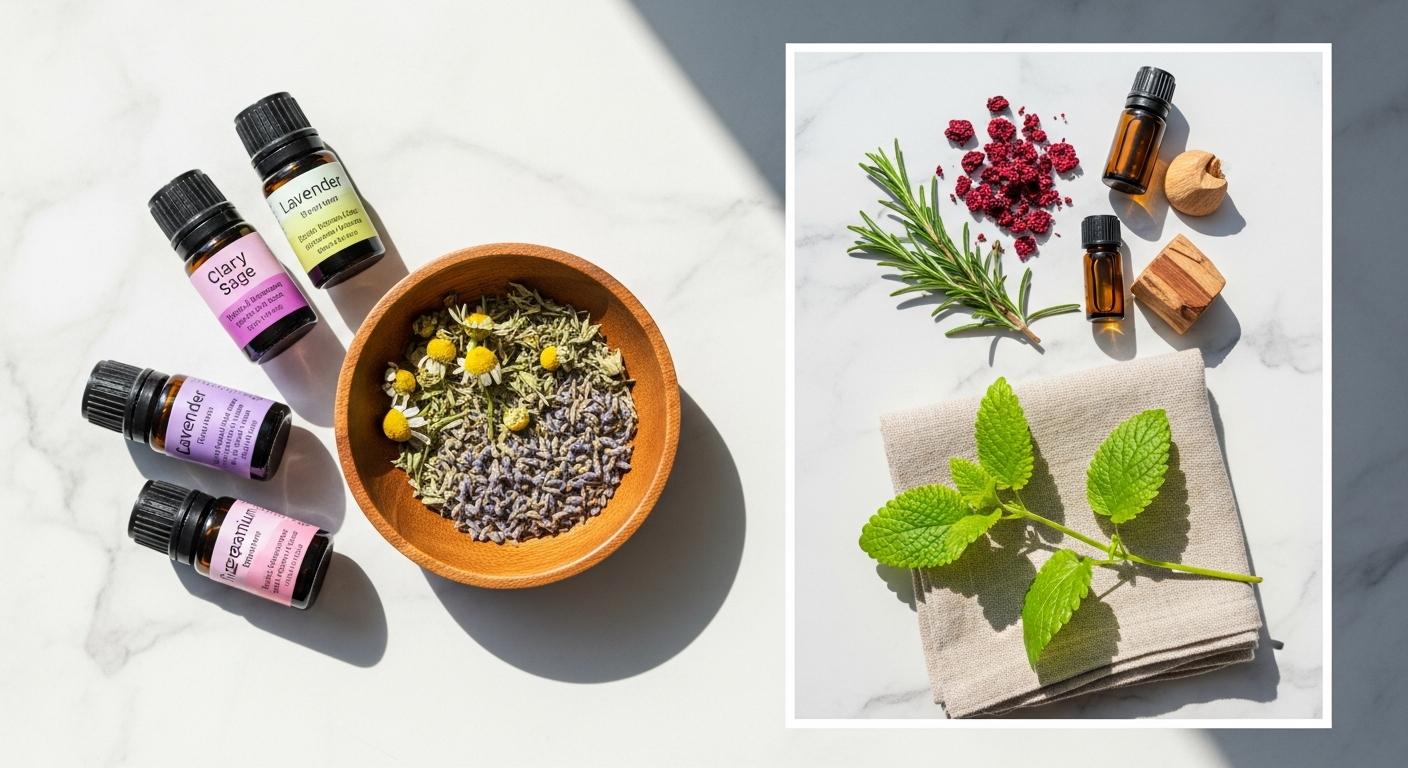
For centuries, traditional healing systems worldwide have turned to the power of plants to support women through life’s transitions. In the spirit of natural wellness championed by Heartbeat Reggae, exploring herbal remedies offers a gentle yet effective pathway to alleviate perimenopause symptoms. These botanical allies work synergistically with the body, often addressing hormonal imbalances and providing symptomatic relief without the harsh side effects associated with some conventional treatments. It’s essential to consult with a healthcare professional or a qualified herbalist before incorporating new supplements, especially if you have underlying health conditions or are taking other medications. Always opt for high-quality, reputable brands.
Black Cohosh (Actaea racemosa)
One of the most extensively studied herbs for menopausal symptoms, Black Cohosh is renowned for its ability to alleviate hot flashes, night sweats, and mood disturbances. While its exact mechanism
Recommended Resources
Related reading: How To Stop Being Codependent In Relationships (Stop Phubbing).
For more on perimenopause symptoms natural, see Digital Minimalism Guide For Beginners on Stop Phubbing.