
Understanding Anxiety: Navigating the Modern Landscape of Stress
Anxiety, in its various forms, has become an increasingly prevalent companion in our fast-paced world. From the subtle hum of daily worries to the overwhelming surges of panic, its presence can significantly diminish our quality of life. It’s more than just feeling stressed; anxiety is a persistent state of apprehension, fear, or unease, often accompanied by physical symptoms such as a racing heart, shortness of breath, restlessness, and difficulty concentrating. The World Health Organization (WHO) estimates that hundreds of millions of people globally are affected by anxiety disorders, highlighting its status as a significant public health challenge.
The roots of anxiety are complex and multifaceted, stemming from a combination of genetic predispositions, environmental stressors, life experiences, and even physiological factors. In our interconnected 2026 society, constant stimulation, digital overload, economic pressures, and the relentless pursuit of achievement can exacerbate these underlying vulnerabilities. The pressure to always be “on,” to perform, and to maintain a perfect facade can create a breeding ground for chronic stress and anxiety, making it difficult for the mind and body to find periods of genuine rest and recovery.
Traditionally, managing anxiety has involved a spectrum of approaches, ranging from psychotherapy and medication to lifestyle modifications like regular exercise, a balanced diet, and mindfulness practices. While these methods are undeniably valuable and often essential, there’s a growing interest in complementary therapies that offer additional layers of support and self-management. People are actively seeking accessible, natural, and empowering tools to supplement their existing strategies. This quest for holistic solutions aligns perfectly with the ethos of Heartbeat Reggae, where we champion approaches that nurture the entire self. It’s within this context that the intriguing world of binaural beats emerges as a promising contender, offering a unique auditory pathway to help mitigate the relentless grip of anxiety and foster a deeper sense of inner peace.
What Exactly Are Binaural Beats? The Science of Auditory Brainwave Entrainment

The concept of binaural beats might sound like something out of a science fiction novel, but it is, in fact, a well-researched phenomenon rooted in neuroscience. At its core, a binaural beat is an auditory illusion perceived by the brain when two slightly different pure-tone sine waves are presented to a listener, one to each ear. For example, if a frequency of 400 Hz is played into the left ear and a frequency of 410 Hz is played into the right ear, your brain doesn’t just hear two separate tones. Instead, it perceives a third, phantom tone – the binaural beat – which oscillates at the difference between the two frequencies (in this case, 10 Hz).
This perceptual phenomenon was first discovered in 1839 by Heinrich Wilhelm Dove. However, its potential therapeutic applications weren’t widely explored until much later. The magic of binaural beats lies in their ability to facilitate what is known as brainwave entrainment. Our brains operate at various electrical frequencies, known as brainwaves, which are associated with different states of consciousness. These brainwave states are measured in Hertz (Hz) and include:
- Delta waves (0.5–4 Hz): Associated with deep, dreamless sleep and profound relaxation.
- Theta waves (4–8 Hz): Linked to REM sleep, deep meditation, creativity, intuition, and a state conducive to learning and memory consolidation. This state is often targeted for anxiety relief.
- Alpha waves (8–12 Hz): Characteristic of a relaxed, calm, and awake state, often experienced during light meditation, daydreaming, or before falling asleep. Excellent for stress reduction.
- Beta waves (12–30 Hz): Associated with active thinking, alertness, concentration, problem-solving, and a state of wakefulness. High Beta can be linked to anxiety and stress.
- Gamma waves (30–100+ Hz): Involved in higher-level processing, intense focus, learning, and cognitive tasks, often found in states of peak performance and insight.
When you listen to binaural beats, your brain’s electrical activity tends to synchronize with the frequency of the perceived binaural beat. If you listen to a binaural beat designed to produce a 10 Hz frequency (an Alpha wave), your brain activity may gradually shift towards an Alpha state. This is brainwave entrainment in action. By guiding your brain into specific frequency patterns associated with relaxation and calm, binaural beats can effectively help you transition away from anxious states dominated by higher-frequency Beta waves towards more serene Theta or Alpha states.
It’s important to note that for binaural beats to work effectively, you need to use headphones. This is because each ear must receive a distinct frequency for the brain to create the “difference” tone. Without headphones, the sounds would simply mix before reaching your ears, negating the binaural effect. The science behind it is elegant in its simplicity: by gently nudging your brain into a more desirable frequency state, binaural beats offer a unique auditory pathway to influence your mood, focus, and overall mental well-being, making them a powerful tool in the arsenal against anxiety.
The Mechanism of Relief: How Binaural Beats Address Anxiety and Promote Calm
For anxiety reduction, the most commonly targeted brainwave frequencies are Theta (4-8 Hz) and Alpha (8-12 Hz). Listening to binaural beats formulated to produce these frequencies can help to:
- Promote Relaxation: Alpha waves are naturally associated with a state of relaxed awareness, similar to what one might experience during light meditation or deep daydreaming. By encouraging Alpha wave activity, binaural beats can help the mind quiet down, reducing racing thoughts and fostering a sense of calm.
- Induce Deeper Meditative States: Theta waves are characteristic of deeper meditative states, creativity, and a gateway to the subconscious. Entraining the brain to Theta frequencies can facilitate profound relaxation, allowing for a release of tension and emotional blockages that contribute to anxiety.
- Reduce Physiological Stress Markers: Studies have indicated that consistent exposure to binaural beats can lead to a reduction in stress hormones like cortisol. Lower cortisol levels are directly linked to decreased feelings of anxiety and an improved sense of well-being.
- Improve Mood and Emotional Regulation: By shifting brainwave activity, binaural beats can influence neurotransmitter levels associated with mood, such as serotonin and dopamine. This can lead to an uplifted mood, greater emotional stability, and a reduced tendency towards negative thought patterns that fuel anxiety.
- Enhance Sleep Quality: Anxiety often disrupts sleep, creating a vicious cycle where poor sleep exacerbates anxiety. Binaural beats tuned to Delta (0.5-4 Hz) or lower Theta frequencies can help guide the brain into deeper, more restorative sleep cycles, which is crucial for managing anxiety effectively.
The beauty of this mechanism lies in its simplicity and non-invasiveness. Unlike medication, binaural beats don’t introduce external substances into the body. Instead, they leverage the brain’s natural capacity for self-regulation and adaptation. They provide a gentle auditory stimulus that encourages the brain to find its way back to a state of balance and serenity. This aligns beautifully with the holistic perspective we embrace at Heartbeat Reggae. Just as the rhythmic pulses and uplifting messages of Reggae Music offer profound health benefits – from stress reduction and mood elevation to fostering a sense of community and peace – binaural beats provide another powerful auditory pathway to mental well-being. Both forms of sound emphasize harmony and rhythm, guiding the listener towards a state of inner calm and positive vibration. The soothing frequencies of reggae, much like targeted binaural beats, can create an environment where the mind feels safe to relax and rejuvenate, offering a natural balm for the anxious spirit.
Integrating Binaural Beats into a Holistic Wellness Routine
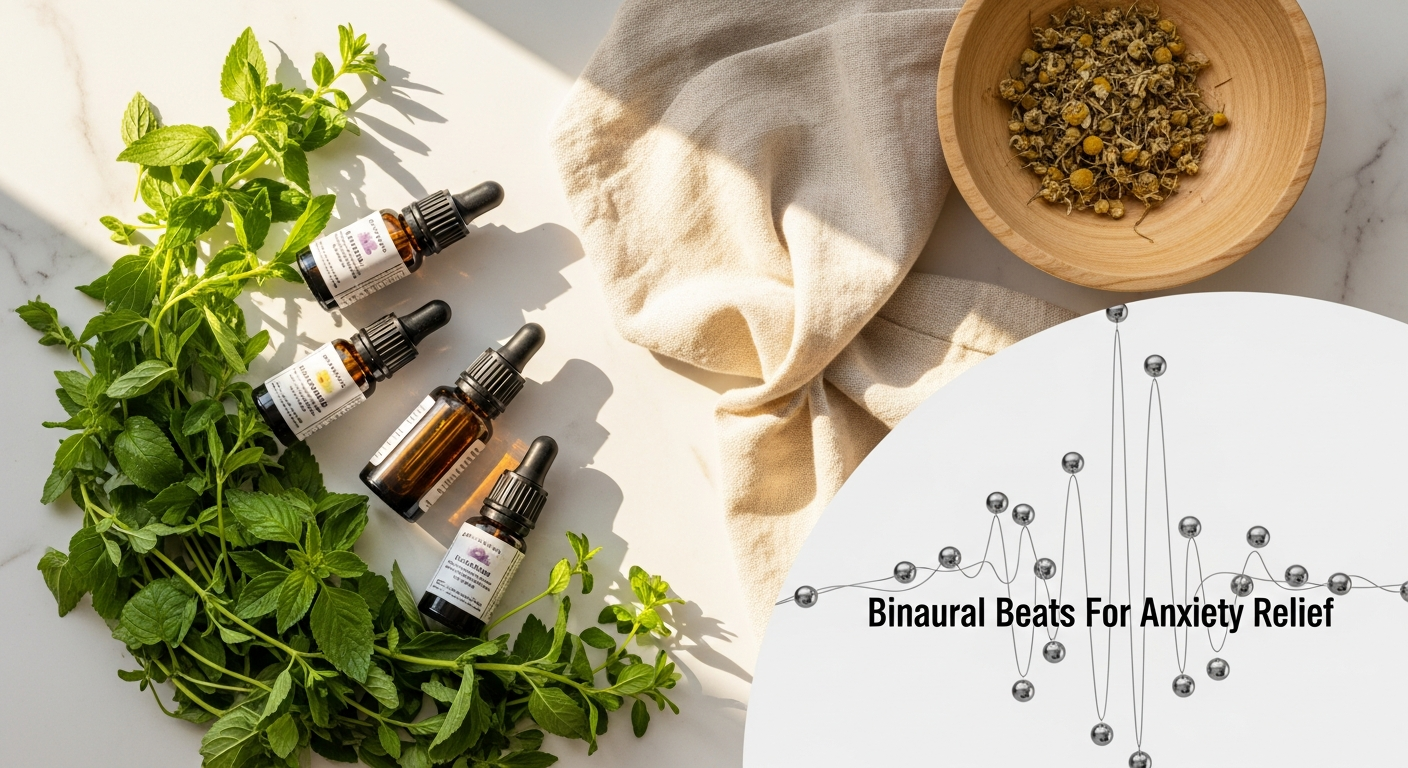
While binaural beats offer a powerful tool for anxiety relief, their true potential is unlocked when integrated thoughtfully into a comprehensive wellness routine. They are not a magic bullet, but rather a potent catalyst that can amplify the benefits of other health-promoting practices. Think of them as a skilled conductor, helping your brain’s orchestra play a more harmonious tune.
Practical Application and Consistency
To effectively use binaural beats, consistency is key. Here’s how to get started:
- Choose Your Time: Many find binaural beats most effective during specific times of the day. For anxiety relief, consider listening during a dedicated relaxation period, before meditation, or as a wind-down activity before sleep. Some even use them during short breaks at work to reset and refocus.
- Find a Quiet Space: Minimize distractions. A peaceful environment enhances the brain’s ability to entrain with the frequencies.
- Use Quality Headphones: This is crucial. Binaural beats require each ear to receive a slightly different frequency. Over-ear or in-ear headphones that provide good sound isolation are recommended over speakers.
- Set Your Intention: Before listening, take a moment to set an intention. Are you seeking deep relaxation, stress reduction, or improved focus? This mental preparation can enhance the experience.
- Start Short and Gradually Increase: Begin with sessions of 15-20 minutes and gradually extend to 30-60 minutes as you become more comfortable and attuned to the effects.
Synergy with Other Wellness Practices
Binaural beats can synergize with various practices to create a powerful anti-anxiety regimen:
- Meditation and Mindfulness: Use binaural beats as a background sound during your meditation practice. Theta or Alpha frequencies can help you drop into deeper meditative states more quickly and sustain them, making your mindfulness practice more profound and effective. They can help quiet the “monkey mind” that often hinders meditation for those with anxiety.
- Yoga and Gentle Movement: Play binaural beats during a restorative yoga session or gentle stretching. The combination of calming sound and mindful movement can significantly reduce physical tension and mental stress, promoting a holistic sense of ease.
- Nature Walks: While not always practical with headphones, if you find a secluded, safe spot, binaural beats can deepen the calming effect of being in nature. However, always prioritize safety and awareness of your surroundings.
- Creative Pursuits: Alpha and Theta frequencies are known to enhance creativity. If anxiety often blocks your creative flow, try listening to binaural beats while engaging in journaling, drawing, or playing an instrument.
Furthermore, consider how binaural beats can complement other aspects of your lifestyle. Just as the invigorating rhythms and positive messages inherent in the benefits of dancing for mental health can powerfully uplift your spirit and release pent-up stress, binaural beats offer a more introspective, calming counterpoint. Imagine a day where you start with a brisk dance to invigorating reggae to shake off the morning blues, then transition to a binaural beat session to center yourself before tackling focused tasks. Both activities contribute significantly to emotional regulation and stress reduction, showcasing the diverse tools available for mental well-being.
Similarly, for those exploring practices like intermittent fasting for mental clarity, binaural beats can be an invaluable ally. During fasting periods, when the mind is often more attuned and sensitive, listening to Alpha or Theta binaural beats can enhance focus, reduce any potential irritability or anxiety associated with early fasting stages, and deepen the sense of mental clarity that many fasters seek. It’s about creating an optimal internal environment, where the mind is calm, clear, and receptive, whether fueled by nutrition or by the subtle energies of sound. By weaving binaural beats into these existing practices, you create a robust, multi-pronged strategy to manage anxiety and cultivate a resilient, peaceful mind in 2026.
Choosing the Right Binaural Beats and Getting Started on Your Journey
Embarking on your binaural beat journey for anxiety relief can feel overwhelming given the sheer volume of options available. However, by understanding a few key principles, you can confidently select the right sounds to support your mental well-being. The most crucial factor is aligning the binaural beat frequency with your desired outcome.
Understanding Frequency Ranges for Anxiety Relief
As discussed, different brainwave states correspond to different frequencies. For anxiety relief, you’ll primarily be looking at:
- Alpha Waves (8-12 Hz): Ideal for general relaxation, stress reduction, and fostering a calm, awake state. If you’re new to binaural beats or want a gentle way to unwind, Alpha frequencies are an excellent starting point. They can help reduce mental chatter and promote a sense of peaceful awareness.
- Theta Waves (4-8 Hz): Best for deeper relaxation, meditation, and accessing more profound states of calm. Theta frequencies are often used to address deeper-seated anxiety, promote creativity, and enhance emotional healing. They can help you detach from overwhelming thoughts and enter a more introspective, serene state.
- Delta Waves (0.5-4 Hz): Primarily associated with deep, restorative sleep. If your anxiety significantly impacts your sleep, listening to Delta binaural beats before bed can help facilitate a smoother transition into profound rest, which in turn alleviates daytime anxiety.
Many binaural beat tracks will explicitly state the target frequency or the intended effect (e.g., “Alpha Waves for Relaxation,” “Theta for Deep Meditation,” “Delta for Sleep”).
Finding Reliable Sources and Quality Sound
The accessibility of binaural beats has exploded, but not all sources are created equal. Here’s how to navigate the options:
- Dedicated Apps: Numerous apps (e.g., Calm, Headspace, Brain.fm, Binaural Beats Therapy) offer curated collections of binaural beats, often combined with soothing background music or nature sounds. These apps often provide guided meditations or programs tailored for specific goals like anxiety, sleep, or focus. Many offer free trials.
- YouTube and Streaming Platforms: A vast array of binaural beat tracks can be found on YouTube, Spotify, and Apple Music. Look for channels or artists with high subscriber counts, positive comments, and clear descriptions of the frequencies used. Be discerning; some tracks may not be true binaural beats or may be of lower quality.
- Specialized Websites: Several websites are dedicated solely to binaural beats and brainwave entrainment. These often provide more in-depth explanations and higher-quality audio files, sometimes for purchase.
When choosing, prioritize tracks with minimal or no distracting background music if your primary goal is brainwave entrainment. While ambient music can be pleasant, it can sometimes interfere with the pure binaural effect for some individuals. However, many find the combination of binaural beats with gentle soundscapes (like rain, ocean waves, or soft instrumental music) to be more enjoyable and equally effective.
Setting Expectations and Embracing the Journey
It’s crucial to approach binaural beats with an open mind but realistic expectations. They are a tool to support your well-being, not a miraculous cure. Effects may not be immediate; for many, consistent use over several weeks yields the most noticeable benefits. Pay attention to how different frequencies and tracks make you feel. What works wonderfully for one person might not be the perfect fit for another. Experiment, be patient, and trust your own experience.
Remember, binaural beats are one piece of the puzzle in managing anxiety. Combine them with other healthy habits – nourishing food, regular exercise, sufficient sleep, and meaningful social connections – to build a robust foundation for lasting calm. This holistic approach, championed by Heartbeat Reggae, acknowledges the interconnectedness of mind, body, and spirit, guiding you towards a state of sustained peace and vibrant health in 2026.
Beyond the Sound: Cultivating a Lifestyle for Lasting Calm
While binaural beats offer a powerful and accessible pathway to anxiety relief, it’s imperative to recognize them as a valuable tool within a broader framework of holistic well-being, rather than a standalone solution. True and lasting calm stems from a multifaceted approach that addresses the entirety of our being – mind, body, and spirit. At Heartbeat Reggae, we advocate for a lifestyle that consistently nurtures these interconnected aspects, fostering resilience against stress and anxiety in our dynamic world of 2026.
Think of binaural beats as a gentle hand guiding your mind towards tranquility. However, that tranquility must be supported by the foundations of healthy living. Consider the following pillars as essential companions on your journey to sustained peace:
Nourishing Your Body: The Foundation of Mental Health
- Balanced Nutrition: What we eat profoundly impacts our mood and cognitive function. A diet rich in whole foods, fruits, vegetables, lean proteins, and healthy fats provides the necessary nutrients for optimal brain health. Limiting processed foods, excessive sugar, and caffeine can significantly reduce anxiety symptoms and promote stable energy levels.
- Hydration: Dehydration, even mild, can contribute to fatigue, irritability, and poor concentration, all of which can exacerbate anxiety. Ensuring adequate water intake throughout the day is a simple yet powerful step.
- Regular Movement: Physical activity is a potent antidote to stress. Whether it’s a brisk walk, a soulful yoga session, or the invigorating benefits of dancing for mental health, exercise releases endorphins, reduces stress hormones, and improves sleep quality. Dancing, in particular, offers a unique combination of physical exertion, creative expression, and social connection (if done with others), making it an exceptional mood booster and anxiety reducer. It allows for the release of pent-up energy and emotions, much like a good cry or a hearty laugh, grounding us in our bodies and the present moment.
Cultivating Your Mind: Practices for Inner Peace
- Mindfulness and Meditation: Beyond using binaural beats for meditation, cultivating a general practice of mindfulness – paying attention to the present moment without judgment – can drastically reduce rumination and worry. Even a few minutes daily can retrain your brain to be less reactive to stressors.
- Journaling: Writing down your thoughts and feelings can be a powerful way to process emotions, gain perspective, and identify patterns that contribute to anxiety. It offers an external outlet for internal turmoil.
- Digital Detox: In an age of constant connectivity, periodically disconnecting from screens and social media can provide a much-needed mental break, reducing information overload and comparison-induced anxiety.
- Learning and Growth: Engaging your mind in new learning, whether it’s a hobby, a skill, or simply reading, can foster a sense of purpose and accomplishment, diverting focus from anxious thoughts. For those leveraging intermittent fasting for mental clarity, this period can be an ideal time for deep work, study, or creative problem-solving, with binaural beats further enhancing focus and reducing mental fatigue. The clarity achieved through fasting can be powerfully directed when combined with practices that nurture the mind.
Nourishing Your Spirit: Connection and Purpose
- Quality Sleep: Non-negotiable for mental health. Prioritize a consistent sleep schedule, create a calming bedtime routine (perhaps incorporating Delta binaural beats), and ensure your sleep environment is conducive to rest.
- Meaningful Connections: Humans are social beings. Nurturing strong relationships with family and friends, and feeling a sense of belonging, are vital buffers against anxiety and loneliness.
- Time in Nature: Spending time outdoors, whether in a park, forest, or by the sea, has proven benefits for stress reduction and mood improvement. The sensory experience of nature can be incredibly grounding.
- Purpose and Contribution: Engaging in activities that give you a sense of purpose, whether through work, volunteering, or creative expression, can provide deep satisfaction and reduce feelings of aimlessness that sometimes fuel anxiety.
The journey to lasting calm is ongoing, a continuous dance between self-care and self-discovery. Binaural beats are an excellent partner in this dance, helping to set a calming rhythm for your mind. But remember to complement their gentle guidance with a holistic lifestyle that honors your body, nurtures your mind, and uplifts your spirit. By doing so, you build a robust foundation for resilience, allowing you to navigate life’s challenges with greater peace and confidence, embodying the vibrant well-being we celebrate at Heartbeat Reggae.
Frequently Asked Questions
Recommended Resources
Explore Parenting Through The Teenage Years Guide for additional insights.
You might also enjoy How To Resolve Conflict In Relationships from Stop Phubbing.