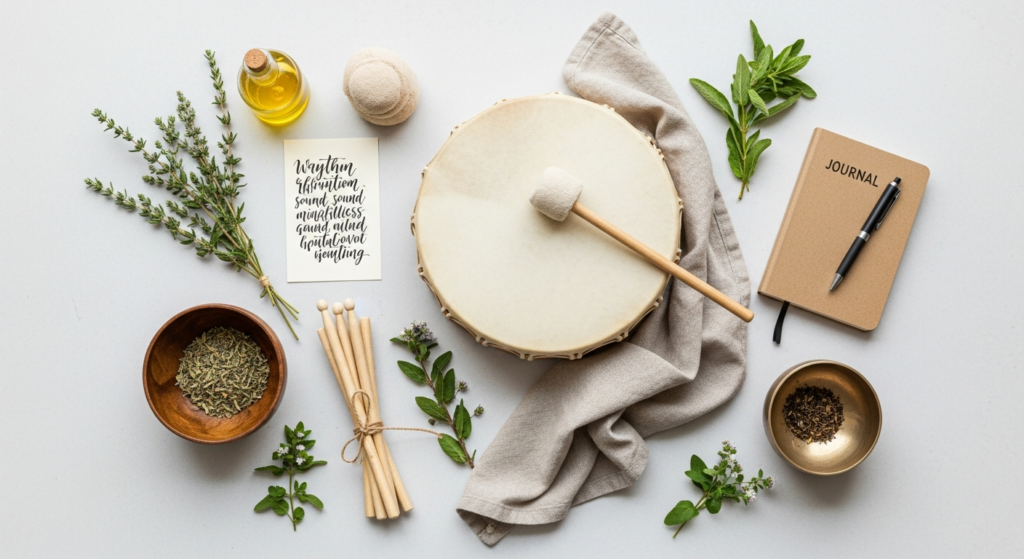
The Rhythmic Roots of Healing: Understanding Drumming Therapy
The human connection to rhythm is primal, predating language and culture. From the earliest heartbeat in the womb to the communal rituals of indigenous societies, rhythm has always been a fundamental aspect of human experience, serving as a tool for communication, celebration, and healing. Drumming therapy, or rhythmic drumming, taps into this innate connection, leveraging the power of percussion to address a wide spectrum of mental, emotional, and even physical health challenges. It is not merely about making music; it’s about facilitating healing through the intentional use of rhythm.
At its core, drumming therapy is a non-verbal, creative arts therapy that utilizes drums and other percussion instruments to promote physical, mental, emotional, and spiritual well-being. It’s an accessible practice that requires no prior musical experience, making it an inclusive modality for individuals of all ages and abilities. The therapist, often a trained professional in music therapy or a certified drumming facilitator, guides participants through structured rhythmic exercises, improvisational drumming, and sound exploration. The goal is not musical perfection, but rather the therapeutic outcomes derived from the act of drumming itself – the physical engagement, the mental focus, the emotional release, and the social connection.
Historically, drumming has been integrated into healing rituals across diverse cultures for millennia. Ancient shamans and healers understood the power of rhythmic trance states to induce altered consciousness, facilitate spiritual journeys, and promote physical recovery. African, Native American, and aboriginal traditions, among many others, have long employed drumming as a central element in ceremonies designed to unite communities, celebrate life events, and address illness. These ancestral practices laid the groundwork for modern drumming therapy, demonstrating rhythm’s enduring capacity to connect individuals to themselves, to others, and to a deeper sense of universal harmony. In 2026, as we look to innovative yet deeply rooted healing modalities, drumming therapy stands out as a testament to this timeless wisdom.
The therapeutic mechanism is multi-faceted. When we drum, we engage our entire being. Physically, the act of striking a drum involves gross motor skills, coordination, and proprioception. Mentally, it requires focus, attention, and the ability to synchronize. Emotionally, it provides a safe outlet for expression, allowing for the release of pent-up feelings. Spiritually, it can foster a sense of connection, mindfulness, and presence. These combined effects create a powerful therapeutic environment that can lead to profound shifts in mental and emotional states.
The Science Behind the Beat: How Drumming Affects Mental Health
While the intuitive benefits of drumming have been recognized for centuries, modern neuroscience and psychological research are now providing compelling evidence for its therapeutic efficacy. The impact of rhythmic engagement on the brain and body is profound, offering a scientific basis for drumming therapy’s ability to alleviate stress, reduce anxiety, combat depression, and improve overall mental resilience.
One of the key scientific explanations lies in the concept of brainwave entrainment. Our brains operate at various frequencies, corresponding to different states of consciousness (e.g., beta for alertness, alpha for relaxation, theta for meditation). Rhythmic drumming, particularly repetitive rhythms, can help synchronize brainwaves, leading to a shift into more relaxed, meditative states. For instance, studies have shown that drumming can increase alpha brainwave activity, which is associated with feelings of calm and well-being. This neurophysiological response is crucial for stress reduction and fostering a sense of peace.
Beyond brainwave entrainment, drumming has a direct impact on our neurochemistry. The physical act of drumming, combined with the rhythmic stimulation, triggers the release of various neurochemicals that are vital for mental health:
- Endorphins: Often referred to as the body’s natural painkillers, endorphins are released during physical activity, including drumming. They produce feelings of euphoria and reduce the perception of pain, contributing to an improved mood and a sense of well-being.
- Oxytocin: This “bonding hormone” is released during social interaction and touch. In group drumming settings, the shared rhythmic experience and sense of community can stimulate oxytocin release, fostering feelings of connection, trust, and empathy, which are crucial for combating feelings of isolation and loneliness.
- Dopamine: Associated with pleasure and reward, dopamine levels can increase with engaging activities like drumming. This can help improve motivation, focus, and overall mood, offering a natural boost for individuals struggling with anhedonia (inability to feel pleasure) often seen in depression.
- Serotonin: A key neurotransmitter regulating mood, sleep, appetite, and learning. Rhythmic activities can help balance serotonin levels, contributing to improved mood regulation and reduced symptoms of anxiety and depression.
Perhaps one of the most significant benefits of drumming therapy is its powerful effect on stress reduction. Chronic stress elevates cortisol, the primary stress hormone, which can have detrimental effects on both physical and mental health. Research indicates that drumming can significantly lower cortisol levels, thereby mitigating the physiological and psychological impact of stress. The repetitive, focused nature of drumming provides a distraction from ruminative thoughts and worries, allowing the mind to quiet and the body to relax. This makes drumming an excellent tool for managing generalized anxiety, panic disorders, and the everyday stressors of life.
Psychologically, drumming offers a non-verbal avenue for self-expression and emotional release. For individuals who find it difficult to articulate their feelings verbally, drumming provides a safe and powerful outlet to express anger, frustration, sadness, or joy. The intensity of the beat, the variations in dynamics, and the improvisation allow for a cathartic experience, helping individuals process emotions in a healthy, constructive way. This emotional release is often accompanied by a sense of clarity and lightness.
Furthermore, drumming naturally cultivates mindfulness and presence. To drum effectively, one must be fully engaged in the present moment, focusing on the rhythm, the sound, and the physical sensation. This forced presence helps to quiet the “monkey mind” that often jumps between past regrets and future anxieties. By anchoring individuals in the here and now, drumming therapy can enhance mindfulness skills, which are foundational for managing anxiety and improving overall mental clarity. This mindful engagement is a powerful antidote to the pervasive distractions of modern digital life.
Drumming Therapy in Practice: What to Expect
Individual Sessions: In a one-on-one setting, the therapy is highly personalized to your specific mental health goals and challenges. The therapist will work with you to identify areas you wish to address, whether it’s reducing anxiety, processing trauma, improving focus, or simply finding a creative outlet. Sessions might involve guided rhythmic exercises designed to explore specific emotions, body rhythms, or cognitive patterns. The intimacy of individual sessions allows for deep introspection and a tailored approach, often incorporating elements of talk therapy alongside the drumming. You might explore different drums – from the resonant djembe to the intricate frame drum – to find the sounds and rhythms that resonate most deeply with your inner landscape.
Group Sessions: Group drumming therapy is often lauded for its powerful communal benefits. Participants come together to create a shared rhythmic experience, fostering a sense of belonging, connection, and mutual support. In these sessions, the emphasis is often on synchronicity, improvisation, and call-and-response patterns. The collective energy generated by a group drumming circle can be incredibly uplifting and empowering. It provides a safe space to practice social skills, reduce feelings of isolation, and experience the joy of collective creation. Many find the shared rhythm to be a metaphor for shared human experience, creating a profound sense of unity. This communal aspect is especially beneficial for individuals dealing with social anxiety or loneliness, offering a non-threatening environment for interaction and validation.
Instruments and Techniques: You don’t need to be a virtuoso percussionist to participate. Therapists typically provide a variety of instruments, ensuring there’s something for everyone. Common instruments include:
- Djembes and Ashikos: Hand drums known for their rich, earthy tones and versatility.
- Congas and Bongos: Often used for their distinct sounds and rhythmic possibilities.
- Frame Drums: Simpler, often lighter drums, excellent for exploring subtle rhythms and meditative states.
- Shakers, Maracas, and Rattles: Offer lighter textures and are great for adding layers to group rhythms.
- Kalimbas (Thumb Pianos) and Tongue Drums: Provide melodic elements and are often used for calming, meditative practices.
The techniques taught are often basic, focusing on creating different sounds (bass, tone, slap) and simple rhythmic patterns. The emphasis is on expression and participation, not on technical mastery. You might engage in activities like:
- Rhythm Games: Structured exercises to improve timing, coordination, and listening skills.
- Guided Imagery with Drumming: Using rhythms to facilitate visualization and relaxation.
- Improvisational Drumming: Free-form drumming that allows for spontaneous expression of emotions.
- Rhythmic Grounding: Repetitive rhythms used to bring focus and stability, especially helpful for anxiety.
The role of the facilitator is crucial. They are trained to create a safe, non-judgmental space, guide the rhythmic journey, and interpret the therapeutic potential of the drumming. They help participants connect their internal experiences to the sounds they create, fostering insights and promoting emotional processing. Regardless of your musical background, drumming therapy offers an accessible and powerful pathway to explore your inner landscape and cultivate mental well-being.
Beyond the Drum Circle: Holistic Approaches to Mental Well-being
While drumming therapy offers a potent pathway to mental healing, its effectiveness can be amplified when integrated into a broader, holistic approach to well-being. At Heartbeat Reggae, we believe in nurturing the whole person – mind, body, and spirit – recognizing that true health is a symphony of interconnected practices. Combining the rhythmic power of drumming with other beneficial lifestyle choices can create a robust framework for sustained mental clarity and emotional resilience.
One of the most natural complements to drumming therapy, especially for those who resonate with the Heartbeat Reggae ethos, is engaging with Reggae Music Health Benefits. Reggae, with its distinctive off-beat rhythm (the ‘one-drop’), deep bass lines, and often uplifting or conscious lyrical content, inherently promotes relaxation and positive introspection. Research suggests that listening to music, particularly genres with a slower tempo and harmonious melodies, can lower heart rate, reduce blood pressure, and decrease levels of stress hormones. Reggae’s often positive messages of peace, unity, and social justice can inspire hope and foster a sense of connection, mirroring the communal benefits of group drumming. The meditative quality of reggae rhythms can extend the brainwave entrainment initiated by drumming, creating a continuous flow of calm and emotional balance. Incorporating reggae into daily life – whether for focused listening, background ambiance, or even as inspiration for your own drumming rhythms – can reinforce the therapeutic gains achieved in drumming sessions, keeping your mind attuned to positive vibrations.
Another powerful ally in the quest for mental well-being is movement, and the Benefits Of Dancing For Mental Health are extensive and well-documented. Just as drumming engages the body in a rhythmic way, dancing provides a full-body expression of emotion and a potent release of physical tension. The joy of movement, especially when synchronized to music, stimulates the release of endorphins, dopamine, and serotonin – the same mood-boosting neurochemicals activated by drumming. Dancing, like drumming, offers a non-verbal outlet for self-expression, allowing individuals to embody their feelings and release pent-up energy. The freedom of movement can break cycles of negative thought patterns and improve body image and self-esteem. Combining drumming therapy with regular dance, whether structured or simply free-form movement to your favorite reggae tunes, enhances physical fitness, coordination, and emotional agility. Both activities foster mindfulness, drawing you into the present moment through sensory engagement and kinesthetic awareness.
Beyond rhythm and movement, dietary considerations also play a crucial role in cognitive function and mental health. While seemingly disparate from drumming, practices like Intermittent Fasting for Mental Clarity can significantly support the brain’s ability to heal and optimize performance. Intermittent fasting (IF), which involves cycling between periods of eating and voluntary fasting, has been shown to induce cellular repair processes, improve insulin sensitivity, and promote the production of brain-derived neurotrophic factor (BDNF). BDNF is a protein that stimulates the growth of new brain cells and enhances synaptic plasticity, which is vital for learning, memory, and mood regulation. Many individuals report enhanced focus, improved mood, and a reduction in brain fog when incorporating IF into their lifestyle. While not a direct therapeutic intervention, adopting practices like IF can create a more optimal biochemical environment for the brain, allowing it to better respond to therapeutic inputs like drumming. A well-nourished and clear mind is more receptive to the insights and emotional processing facilitated by rhythmic therapy, making the entire healing journey more effective and sustainable in 2026 and beyond. Integrating these practices – the rhythmic healing of drumming, the uplifting power of reggae, the expressive release of dance, and the cognitive benefits of mindful eating – creates a holistic ecosystem for unparalleled mental well-being.
Specific Mental Health Conditions Benefiting from Drumming Therapy
The versatility and non-invasive nature of drumming therapy make it a valuable complementary treatment for a wide array of mental health conditions. Its ability to engage multiple facets of human experience—physical, emotional, cognitive, and social—allows it to address symptoms and underlying issues in a holistic manner. Here are some specific conditions where drumming therapy has demonstrated significant promise:
Anxiety Disorders: Drumming therapy is exceptionally effective in managing anxiety. The rhythmic, repetitive nature of drumming acts as a powerful anchor, drawing individuals into the present moment and away from anxious rumination about the past or future. This focus on the “here and now” is a core principle of mindfulness, which is highly beneficial for anxiety reduction. The physical act of drumming also provides a healthy outlet for releasing pent-up nervous energy and tension. Studies have shown that group drumming can significantly reduce stress and anxiety, lower cortisol levels, and enhance feelings of relaxation and well-being. The synchronized group experience can also alleviate social anxiety by providing a non-verbal, non-threatening way to connect with others.
Depression: For individuals struggling with depression, drumming therapy can be a source of motivation, emotional expression, and renewed vitality. Depression often comes with feelings of anhedonia (inability to experience pleasure), low energy, and social withdrawal. Drumming can counteract these symptoms by stimulating the release of mood-boosting neurochemicals like endorphins and dopamine, providing a natural uplift. The physical activity involved can combat lethargy, while the creative expression offers a safe space to process difficult emotions without the pressure of verbal articulation. Group drumming can also combat isolation, fostering a sense of community and shared purpose that is often missing in depressive states.
Trauma and PTSD (Post-Traumatic Stress Disorder): Drumming therapy offers a unique and powerful modality for processing trauma. Trauma often leaves individuals feeling disconnected from their bodies and overwhelmed by intense emotions. The rhythmic foundation of drumming can help to re-establish a sense of safety and grounding in the body. It provides a non-verbal means to express and release traumatic energy that may be “stuck” in the nervous system. The controlled, repetitive nature of drumming can help regulate the nervous system, moving individuals out of fight-or-flight responses and into a more regulated state. Because it doesn’t require verbal recounting of traumatic events, it can be less re-traumatizing than traditional talk therapies for some individuals, allowing them to process emotions at their own pace through a different medium.
Stress Management: In our fast-paced world, chronic stress is a ubiquitous challenge. Drumming therapy serves as an excellent tool for proactive stress management and acute stress relief. The immediate physiological effects of drumming—lowering heart rate, blood pressure, and cortisol—make it a rapid and effective intervention for stress. Regular drumming practice can build resilience to stress over time, teaching the body and mind how to return to a state of calm more efficiently. It offers a structured way to release daily tensions and clear mental clutter, providing a much-needed mental break.
Addiction Recovery: Drumming therapy has found a valuable place in addiction recovery programs. It provides a healthy, engaging, and creative alternative to substance use, helping individuals to develop new coping mechanisms and build a sense of self-worth. The communal aspect of group drumming fosters connection and accountability, reducing feelings of isolation that often contribute to relapse. It also helps individuals to process underlying emotional issues that may have contributed to their addiction, offering a non-verbal outlet for anger, guilt, and shame. The focus and discipline required in drumming can also help rebuild cognitive functions affected by prolonged substance abuse.
Cognitive Decline (Mild): For older adults experiencing mild cognitive decline, drumming can offer significant benefits. The act of drumming engages multiple cognitive functions, including attention, memory, coordination, and problem-solving. Learning new rhythms, synchronizing with others, and responding to cues can help stimulate neural pathways and potentially slow the progression of cognitive impairment. It also provides a joyful and engaging social activity, combating loneliness and promoting overall well-being, which are important factors in maintaining cognitive health.
In each of these contexts, drumming therapy acts as a catalyst, empowering individuals to tap into their innate healing capacities, express their true selves, and find a rhythm that supports their journey toward optimal mental health in 2026.
Finding Your Rhythm: Getting Started with Drumming Therapy in 2026
The journey to enhanced mental well-being through drumming therapy is accessible to everyone, regardless of musical background or perceived talent. If the rhythmic pulse of healing resonates with you, 2026 offers numerous pathways to explore this transformative practice. Taking the first step involves understanding your options and connecting with qualified professionals or resources.
Finding Qualified Therapists and Facilitators:
The most effective way to engage with drumming therapy is under the guidance of a trained professional. Look for:
- Board-Certified Music Therapists (MT-BC): These professionals have extensive training in music as a therapeutic tool and often specialize in various populations and conditions. They can provide individualized assessments and tailored treatment plans.
- Certified Drumming Facilitators: Many organizations offer specific certifications in therapeutic drumming or drum circle facilitation. While not always music therapists, these individuals are trained in leading rhythmic experiences for health and wellness.
- Check Professional Organizations: Inquire with national or regional music therapy associations (e.g., American Music Therapy Association in the U.S., British Association for Music Therapy in the UK) for directories of certified practitioners.
- Local Community Centers and Wellness Hubs: Many communities host drum circles or drumming therapy groups as part of their wellness programs. These can be excellent entry points, often led by experienced facilitators.
Don’t hesitate to ask about a therapist’s qualifications, experience, and their approach to drumming therapy. A good fit between client and therapist is paramount for effective healing.
Online Resources and Virtual Sessions:
The digital landscape of 2026 has significantly expanded access to therapeutic modalities. If in-person options are limited, or if you prefer the convenience of home-based sessions, consider:
- Online Drumming Therapy Platforms: A growing number of therapists and facilitators offer virtual individual or group drumming sessions via video conferencing. These platforms often provide guidance on selecting suitable instruments you might already have or can easily acquire.
- Pre-recorded Guided Sessions: Many wellness apps and websites feature guided drumming meditations or therapeutic rhythm exercises that you can follow at your own pace. While not a substitute for live therapy, they can be a great way to introduce yourself to the practice and cultivate a consistent rhythm.
- Educational Webinars and Workshops: Look for online workshops focused on the therapeutic applications of drumming. These can deepen your understanding and provide practical techniques you can incorporate into your self-care routine.
DIY Approaches and Mindful Drumming at Home:
While professional guidance is recommended, you can also begin to explore the benefits of mindful drumming on your own.
- Acquire a Simple Drum: A djembe, a frame drum, or even a simple hand drum or household item (like a bucket or a pot) can serve as your instrument. The key is the rhythmic engagement, not the grandeur of the instrument.
- Focus on Your Breath and Heartbeat: Start by gently tapping a rhythm that mimics your breath or heartbeat. This immediately connects you to your internal rhythms and fosters mindfulness.
- Explore Different Rhythms and Sounds: Experiment with varying dynamics (loud/soft), tempos (fast/slow), and different parts of the drum to create a range of sounds. Allow your emotions to guide your rhythm.
- Create a Sacred Space: Dedicate a quiet corner of your home for your drumming practice. Make it a space where you can feel safe to express yourself freely without judgment.
- Journal Your Experiences: After a drumming session, take time to reflect. What emotions arose? What sensations did you feel? Journaling can help integrate the insights gained from your rhythmic practice.
It’s important to remember that drumming therapy is typically considered a complementary therapy. It works beautifully alongside other forms of mental health treatment, such as psychotherapy, medication, or other holistic practices. Always consult with your primary healthcare provider or mental health professional to ensure drumming therapy is a suitable addition to your overall wellness plan. By consciously integrating rhythm into your life, you can unlock a powerful source of healing and resilience, beating a new path towards profound mental well-being.
The journey to mental wellness is personal, unique, and ever-evolving. Drumming therapy offers a timeless and deeply human approach, inviting you to reconnect with your innate rhythm and discover the profound healing power of the beat. May your journey be filled with harmony, resilience, and the liberating pulse of your own unique rhythm.
Frequently Asked Questions
Recommended Resources
Explore How To Be Happier In Daily Life Tips for additional insights.
You might also enjoy Gratitude Journaling How To Start Guide from Stop Phubbing.