Understanding Grief: A Universal Yet Unique Journey
Grief is not merely a single emotion; it is a multifaceted response to loss, encompassing a vast spectrum of physical, emotional, cognitive, behavioral, and spiritual reactions. It is a natural and necessary process that allows us to adapt to a world profoundly altered by absence. While everyone experiences grief, the manifestation of this experience is as unique as the individual themselves. There is no right or wrong way to grieve, and comparing one’s journey to another’s can often lead to feelings of inadequacy or isolation.
The intensity and duration of grief are influenced by numerous factors, including the nature of the relationship with what was lost, the circumstances surrounding the loss, an individual’s personality, their cultural background, spiritual beliefs, and their pre-existing coping mechanisms. For some, grief might present as overwhelming sadness, while for others, it could manifest as anger, confusion, guilt, anxiety, or even numbness. Physical symptoms are also common, ranging from fatigue and changes in appetite to sleep disturbances and physical aches. These reactions are all part of the body’s natural response to trauma and stress.
It’s important to differentiate between grief and mourning. Grief is the internal, private experience of loss, the raw emotional and physiological reactions. Mourning, on the other hand, is the outward, public expression of grief, often shaped by cultural and social rituals, traditions, and practices. These communal aspects of mourning, such as wakes, funerals, or memorial gatherings, play a vital role in acknowledging the loss and providing a supportive environment for the grieving individual. In many cultures, including those influenced by the Reggae lifestyle, community support and shared rituals are cornerstones of the healing process, offering a sense of belonging and collective strength during times of sorrow.
Recognizing that grief is a normal, albeit painful, response is the first step towards navigating its complexities. It is a testament to the love and connection that once existed, and acknowledging its presence without judgment is fundamental to beginning the long, winding path towards healing. This journey requires patience, self-compassion, and an understanding that progress is rarely linear.
The Evolving Model of Grief: Beyond Linear Stages

For many years, the most widely recognized framework for understanding grief was Dr. Elisabeth Kübler-Ross’s five stages: denial, anger, bargaining, depression, and acceptance. Published in her groundbreaking 1969 book “On Death and Dying,” these stages provided a lexicon for discussing the profound psychological process of confronting mortality and loss. While invaluable for initiating conversations about grief, it’s crucial to understand that these stages were initially observed in terminally ill patients facing their own death, not necessarily in those grieving the loss of another. Over time, these stages were often misapplied, leading to a misconception that grief is a neat, linear progression that one “completes” by moving from one stage to the next.
Modern grief theories emphasize a more fluid, dynamic, and individualized experience. Contemporary understanding acknowledges that while elements akin to Kübler-Ross’s stages may be present, they are not necessarily experienced in a specific order, nor are they exhaustive. Grievers may oscillate between stages, revisit them multiple times, or experience several simultaneously. It’s more akin to waves in an ocean than steps on a ladder, with periods of intense emotion interspersed with moments of calm, only for another wave to crash unexpectedly.
One influential model, the Dual Process Model of Coping with Bereavement by Stroebe and Schut, suggests that grieving individuals oscillate between two orientations: loss-orientation and restoration-orientation. Loss-orientation involves confronting and processing the loss itself, including painful emotions and memories. Restoration-orientation focuses on adapting to life without the deceased, managing life changes, developing new roles, and engaging in new activities. This model highlights the importance of both confronting the pain and taking breaks from it to rebuild one’s life. It normalizes the act of temporarily stepping away from grief to engage in day-to-day tasks or even find moments of joy, recognizing that this oscillation is essential for long-term adaptation.
Another significant contribution comes from Dr. William Worden’s Tasks of Mourning, which posits that the bereaved must complete four tasks to adapt to loss:
- Accept the reality of the loss: Coming to terms with the fact that the person is gone and will not return.
- Process the pain of grief: Allowing oneself to experience the myriad of emotions that accompany loss.
- Adjust to a world without the deceased: Adapting to new roles, routines, and a changed sense of self.
- Find an enduring connection with the deceased while embarking on a new life: This task emphasizes that healing doesn’t mean forgetting or letting go, but rather finding a new way to relate to the deceased and integrate the loss into one’s ongoing life, often through memories, rituals, or continuing bonds.
Worden’s model emphasizes active engagement rather than passive experience, suggesting that grief is a process that requires effort and intentionality.
The concept of meaning-making is also central to contemporary grief theory. This involves finding purpose or understanding in the face of profound loss, which can be a powerful component of healing. It doesn’t mean finding a “reason” for the loss, but rather constructing a narrative that allows the individual to integrate the experience into their life story in a way that promotes growth and resilience. This might involve dedicating oneself to a cause, pursuing a passion the loved one cherished, or simply finding a deeper appreciation for life.
Ultimately, understanding grief as a highly personal, non-linear, and active process empowers individuals to navigate their unique journey without the burden of adhering to a prescribed set of stages. It encourages self-compassion and validates the diverse ways in which people experience and cope with profound loss, fostering a more authentic and enduring path to healing.
Navigating the Waves: Practical Strategies for Coping
- Acknowledge and Validate Your Feelings: The first step in coping is to give yourself permission to feel whatever emotions arise without judgment. Sadness, anger, guilt, fear, and even moments of joy are all natural parts of the grieving process. Suppressing these emotions can prolong the healing journey. Journaling can be an effective way to explore and express these feelings in a safe, private space.
- Prioritize Self-Care: During grief, basic self-care often falls by the wayside, yet it’s more crucial than ever.
- Nutrition: Even if your appetite is low, try to consume nourishing foods. Small, frequent meals rich in fruits, vegetables, and whole grains can help stabilize blood sugar and energy levels.
- Hydration: Dehydration can exacerbate fatigue and headaches. Keep water, herbal teas, or natural fruit juices readily available.
- Gentle Movement: Physical activity, even a short walk, can release endorphins, reduce stress, and improve mood. It doesn’t have to be strenuous; gentle yoga, stretching, or a stroll in nature can be incredibly beneficial.
- Sleep Hygiene: Grief often disrupts sleep patterns, leading to insomnia or excessive sleeping. Establishing a calming bedtime routine is vital. This might include a warm bath, reading a book, or listening to soothing music. Avoid screens (phones, tablets, computers) at least an hour before bed. If sleep continues to be a struggle, consider natural remedies for insomnia such as chamomile tea, valerian root, or passionflower. Magnesium supplements can also aid relaxation. Creating a dark, quiet, and cool sleep environment is paramount.
- Seek and Accept Support: You don’t have to grieve alone. Reach out to trusted friends, family members, or colleagues who can offer a listening ear or practical assistance. Many find solace in grief support groups, where they can share experiences with others who understand what they are going through. Professional help from a therapist or grief counselor can provide tools and strategies for navigating complex emotions and processing the loss in a healthy way.
- Mindfulness and Meditation: Practices like mindfulness can help ground you in the present moment, reducing the overwhelming nature of grief. Simple breathing exercises, guided meditations, or focusing on sensory details can provide temporary respite from sorrow. Apps and online resources offer accessible ways to integrate these practices into your daily routine.
- Engage in Creative Expression: For some, expressing grief through creative outlets can be profoundly therapeutic. This might include writing poetry, painting, drawing, sculpting, playing a musical instrument, or even gardening. These activities provide a non-verbal channel for processing emotions that might be difficult to articulate.
- Find Solace in Music: Music has an extraordinary ability to touch the soul and facilitate emotional release. For those who appreciate its profound impact, Reggae music health benefits are particularly noteworthy in the context of grief. Its steady, often meditative rhythms can provide a sense of grounding and calm, offering a sonic balm to frayed nerves. The lyrical themes of resilience, hope, spirituality, community, and overcoming adversity resonate deeply with the experience of loss and healing. Songs that speak of “one love,” peace, and the enduring human spirit can foster a sense of connection and remind us of the universal journey we all share. Listening to Reggae can provide a safe space to feel sadness, anger, or even find moments of upliftment, transforming raw emotion into a shared human experience. It can be a powerful tool for emotional regulation, allowing for tears when needed, and offering gentle encouragement towards acceptance and peace.
Remember, coping is an active process that evolves over time. Be patient with yourself, experiment with different strategies, and be willing to adjust your approach as your needs change. The goal isn’t to eliminate grief, but to learn how to live with it and gradually integrate the loss into your life in a way that allows for continued growth and well-being.
The Healing Timeline: A Personal Journey, Not a Fixed Schedule
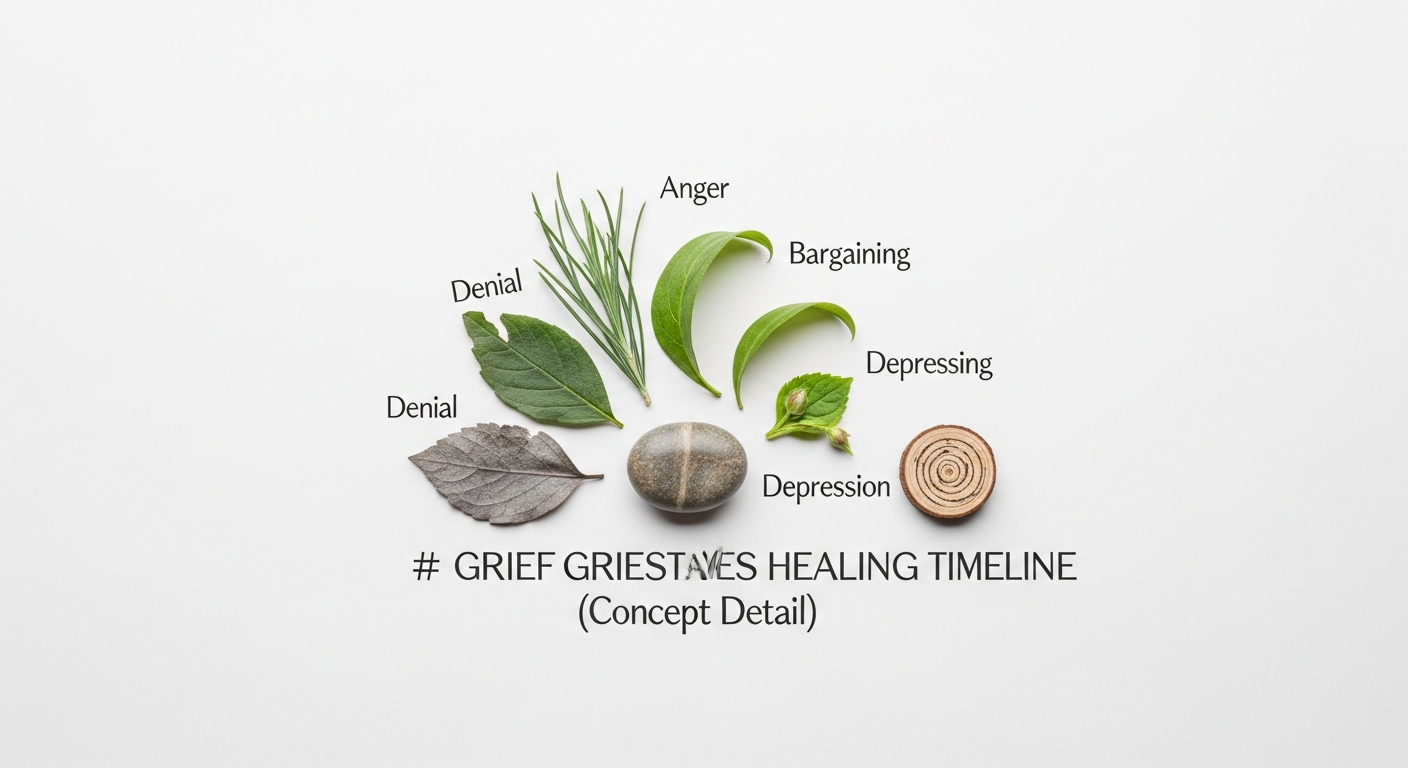
One of the most challenging aspects of grief is the pervasive question: “How long will this last?” It’s a natural human desire to seek a definitive answer, a clear roadmap with an estimated arrival time at the destination of “healed.” However, when it comes to the healing timeline of grief, there is no universal answer, no fixed schedule, and certainly no expiry date on love or memory. The idea of a linear timeline can be detrimental, often leading to feelings of guilt or failure if one’s experience doesn’t align with societal expectations or perceived norms.
Instead of a timeline, it’s more accurate to think of grief as a deeply personal journey, a winding path with unexpected turns, periods of intense struggle, and moments of unexpected peace. The duration and intensity of grief are profoundly individual and influenced by numerous factors:
- Nature of the Loss: The type of loss significantly impacts the grieving process. The sudden, unexpected death of a young person, for instance, often carries a different weight and trajectory than the anticipated loss of an elderly loved one after a long illness.
- Relationship with the Deceased: The closeness, complexity, and importance of the relationship to the person who died play a critical role. Losing a spouse, child, or parent typically evokes a different grieving process than losing an acquaintance.
- Individual Personality and Coping Style: Each person brings their unique psychological makeup and previous coping experiences to the table. Some are naturally more resilient, while others may require more time and support.
- Support Systems: The presence or absence of a strong social support network can significantly impact how an individual navigates grief. Isolation often prolongs and complicates the healing process.
- Previous Losses: Unresolved grief from past losses can sometimes resurface and complicate current grief, leading to a longer, more intense experience.
While there’s no fixed timeline, many grief experts speak of common phases or characteristics of grief that tend to evolve over time:
Acute Grief: This is the initial period following a loss, characterized by intense emotional pain, shock, disbelief, and profound disorientation. It can last for weeks or even months, with daily functioning often severely impaired. This phase is dominated by the raw, immediate impact of the loss.
Integrated Grief (or Ongoing Grief): As time passes, the acute pain of grief gradually begins to soften. This doesn’t mean the pain disappears entirely, but it becomes less intense, less pervasive, and less disruptive to daily life. The loss becomes integrated into one’s life story, and while waves of sadness or longing may still arise, they are often less debilitating. The focus shifts from the immediate shock to finding ways to live life fully while carrying the memory of the loved one.
It’s crucial to understand that “healing” from grief does not mean forgetting the person or eliminating all sadness. Rather, it means learning to live with the loss, finding a new normal, and integrating the experience into one’s life in a way that allows for continued growth and joy. The concept of “continuing bonds” is vital here. Instead of severing ties, healing often involves finding new ways to maintain a connection with the deceased – through memories, rituals, continuing their legacy, or simply holding them in one’s heart. This perspective acknowledges that love doesn’t end with death.
Special days, such as anniversaries of the death, birthdays, holidays, or significant life events (e.g., graduations, weddings), can trigger what are often called “grief bursts” or “anniversary reactions.” These are periods where intense grief resurfaces, sometimes unexpectedly, bringing with it the raw emotions of the initial loss. These recurrences are normal and are not a sign that one is “failing” to heal; they are simply reminders of the enduring impact of the loss and the love that remains.
Allowing yourself to grieve at your own pace, without succumbing to external pressures or self-imposed deadlines, is perhaps the most compassionate gift you can give yourself. Healing is a process of ebb and flow, of moving forward and sometimes circling back, but always with the underlying current of adaptation and growth. By 2026 and beyond, the understanding of grief will continue to evolve, but the core truth remains: your journey is unique, and your healing timeline is yours alone to define.
Embracing Holistic Healing: Mind, Body, and Spirit
True healing from grief extends beyond merely managing emotional pain; it involves nurturing the entire self – mind, body, and spirit. A holistic approach recognizes the interconnectedness of these elements and emphasizes restoring balance and well-being across all dimensions. This comprehensive perspective is deeply aligned with the principles of wellness often espoused by the Reggae lifestyle and wellness philosophy, which advocates for harmony, natural living, and spiritual connection as pathways to optimal health.
Nurturing the Mind: Cognitive and Emotional Well-being
The mind is profoundly affected by grief, leading to cognitive fog, difficulty concentrating, memory issues, and a deluge of overwhelming thoughts. Nurturing the mind involves strategies that promote clarity, emotional regulation, and psychological resilience:
- Therapy and Counseling: A grief counselor or therapist can provide a safe space to process complex emotions, identify unhealthy coping mechanisms, and develop constructive strategies. Techniques like cognitive behavioral therapy (CBT) can help challenge negative thought patterns, while narrative therapy can help individuals construct a new life story that integrates the loss.
- Mindfulness and Meditation: Regular practice can help reduce rumination, calm the nervous system, and cultivate present-moment awareness, offering a respite from distressing thoughts.
- Journaling: Writing down thoughts and feelings can provide an outlet for emotional release and help organize confusing emotions, leading to greater self-understanding.
- Learning and Growth: Engaging in new intellectual pursuits, reading, or learning a new skill can stimulate the mind and provide a sense of purpose and accomplishment, gradually shifting focus from loss to growth.
Supporting the Body: Physical Health and Vitality
Grief takes a significant toll on the physical body, often manifesting as fatigue, aches, digestive issues, and a weakened immune system. Prioritizing physical health is foundational to holistic healing:
- Balanced Nutrition: Focus on whole, unprocessed foods. Nutrient-dense meals provide the energy and building blocks your body needs to cope with stress and rebuild. Avoid excessive caffeine, sugar, and processed foods that can exacerbate mood swings and fatigue.
- Regular, Gentle Exercise: Movement is a powerful antidote to stress and sadness. Activities like walking in nature, swimming, yoga, or tai chi can reduce tension, improve sleep, and release endorphins, which have mood-boosting effects. The rhythmic nature of walking or dancing can be particularly therapeutic, reminiscent of the grounding rhythms of Reggae.
- Adequate Sleep: As discussed, grief often disrupts sleep. Prioritize sleep hygiene and explore natural remedies for insomnia if needed. Consistent, restful sleep is essential for mental clarity, emotional regulation, and physical restoration.
- Hydration: Drink plenty of water throughout the day to support all bodily functions and help alleviate fatigue and headaches.
- Mindful Breathing: Deep, diaphragmatic breathing can activate the parasympathetic nervous system, promoting relaxation and reducing the physical symptoms of stress.
- Connection with Nature: Spending time outdoors, whether in a park, garden, or by the sea, can be incredibly restorative. The natural world offers a sense of calm, perspective, and connection to something larger than oneself.
Nourishing the Spirit: Purpose and Connection
Grief can lead to questions of meaning, purpose, and spiritual emptiness. Nurturing the spirit involves finding ways to reconnect with what gives life meaning and fosters a sense of belonging:
- Spiritual Practices: For many, engaging in prayer, meditation, or connecting with their faith community provides profound comfort and a sense of hope. This doesn’t have to be tied to organized religion; it can involve spending quiet time in reflection, connecting with personal values, or experiencing awe in nature.
- Finding Meaning and Purpose: This often involves honoring the memory of the loved one by carrying on their legacy, engaging in charitable work, or pursuing passions that were important to them. Finding a new purpose can provide a powerful impetus for moving forward.
- Community and Connection: Isolation can deepen grief. Actively seeking out social connections, whether through friends, family, support groups, or community events, is vital. Feeling understood and supported by others reinforces a sense of belonging and reminds us that we are not alone.
- The Reggae Lifestyle and Wellness Connection: The Reggae philosophy, with its emphasis on “One Love,” peace, unity, and spiritual awakening (often through Rastafari principles), offers a rich framework for holistic healing. Its focus on ital living (natural, wholesome food), connection to the earth, community solidarity, and a deep spiritual reverence for life provides a profound antidote to the isolation and despair of grief. The music itself, with its messages of resilience and hope, serves as a powerful spiritual anchor, reminding us to seek inner peace and trust in a higher power. Embracing aspects of this lifestyle can foster a sense of interconnectedness, promote natural wellness, and inspire a hopeful outlook, even in the face of profound loss, guiding us towards a more balanced and spiritually enriched existence by 2026 and beyond.
By consciously attending to the needs of your mind, body, and spirit, you create a fertile ground for healing. This holistic approach acknowledges the profound impact of grief on every aspect of your being and empowers you to rebuild your life with greater strength, resilience, and a renewed sense of well-being.
Finding Solace in Community and Connection
Human beings are inherently social creatures, and the journey through grief is profoundly shaped by the presence or absence of meaningful connections. While grief is a deeply personal experience, it is not meant to be endured in isolation. Finding solace in community and connection is a vital component of holistic healing, providing comfort, understanding, and practical support when it’s most needed.
The Power of Shared Experience
One of the most potent forms of connection for those grieving is shared experience. Grief support groups, whether in-person or online, offer a unique space where individuals can openly express their feelings without fear of judgment. In these settings, you encounter others who truly understand the depth of your pain, the confusion, the anger, and the moments of despair. This shared understanding can alleviate feelings of isolation, normalize your reactions, and provide validation that you are not alone in your struggle. Hearing how others cope, or simply being present for someone else’s story, can be incredibly therapeutic and empowering.
Accepting and Offering Practical Support
During times of intense grief, even simple daily tasks can feel overwhelming. A supportive community offers not just emotional comfort but also practical assistance. This could be a friend dropping off a meal, a neighbor helping with childcare, or a family member running errands. Learning to accept help is a crucial step in self-care during grief. Equally, for those who are further along in their healing journey, offering support to others can be a powerful way to find purpose and meaning, transforming personal pain into compassionate action.
Rebuilding Social Connections
Grief can sometimes lead to withdrawal and a reluctance to engage in social activities. While it’s important to honor your need for solitude, gradually rebuilding and nurturing social connections is essential for long-term well-being. This doesn’t mean forcing yourself into situations that feel overwhelming. Start small: a coffee with a trusted friend, a short walk with a family member, or joining a new hobby group that aligns with your interests. These interactions, even brief ones, can provide moments of respite, laughter, and a reminder of the richness of life.
The Role of Rituals and Memorials
Community also plays a significant role in creating and participating in rituals and memorials. Funerals, memorial services, anniversaries, and other commemorative events provide a collective space to acknowledge the loss, celebrate the life of the deceased, and offer mutual support. These shared rituals help to process grief by providing structure, expressing collective sorrow, and reinforcing the enduring impact of the person who has passed. They can be a source of profound comfort, allowing individuals to feel held and supported by their wider community.
Embracing the Spirit of Reggae Community
The Reggae lifestyle and wellness philosophy, with its strong emphasis on community (the “livity” or way of life), offers a powerful model for finding solace in connection. The “One Love” message is not just a catchy phrase; it’s a call for unity, empathy, and collective well-being. In Reggae culture, music often serves as a communal healing force, bringing people together to share emotions, find rhythm, and experience a sense of belonging. Whether it’s through attending a concert, participating in a spiritual gathering, or simply sharing music with friends, the communal aspect of Reggae can provide a profound sense of connection that combats isolation and fosters resilience during times of grief. This communal spirit encourages individuals to lean on each other, share burdens, and find strength in solidarity, paving the way for collective healing and a stronger, more compassionate society by 2026.
Remember, connection is a two-way street. Be open to receiving support, and when you feel ready, consider how you might offer it to others. In the tapestry of human existence, our threads are intertwined, and it is in these connections that we often find the greatest strength to navigate the challenges of grief and emerge with renewed hope and resilience.
Preparing for a Future with Hope
The thought of a future without a loved one can feel daunting, even impossible, in the throes of grief. Yet, preparing for a future with hope is not about forgetting or replacing the person who is gone; it is about learning to carry their memory forward while rebuilding a life that still holds meaning, purpose, and joy. This process is a testament to the enduring human spirit and the capacity for growth even after profound loss. It’s about recognizing that while life will be different, it can still be rich and fulfilling.
Redefining Your Identity
Loss often forces us to confront changes in our identity. If you’ve lost a spouse, you might transition from “wife” or “husband” to “widow” or “widower.” If you’ve lost a child, your identity as a parent may feel profoundly altered. This shift can be disorienting. Preparing for the future involves acknowledging these changes and gradually redefining who you are in light of the loss. This isn’t a betrayal of the past; it’s an adaptation to the present. It might involve exploring new interests, embracing new roles, or reconnecting with parts of yourself that may have been dormant. This process of self-discovery is a crucial step towards building a hopeful future.
Setting New Goals and Finding New Purpose
Grief can strip life of its previous meaning. As healing progresses, it becomes important to identify new goals and find renewed purpose. These don’t have to be grand gestures; they can be small, manageable steps. Perhaps it’s volunteering for a cause dear to your loved one’s heart, pursuing a long-forgotten hobby, or simply committing to a healthier lifestyle. These new purposes can provide a sense of direction, motivation, and a reason to look forward. They allow you to reinvest in life, honoring the past while building a meaningful present and future.
Cultivating Gratitude and Joy
It can feel counterintuitive, even disloyal, to experience joy or gratitude after a significant loss. However, these emotions are not a negation of your grief; they are a vital part of holistic healing and a testament to your resilience. Consciously cultivating gratitude for the moments of beauty, the kindness of others, or the simple pleasures of life can gradually shift your perspective. Allowing yourself to experience joy, even fleetingly, is not only permissible but essential for well-being. It is a way of honoring the life you have and the love that continues to exist. Finding moments of joy allows for emotional balance and prevents grief from consuming every aspect of your existence.
Embracing Continuous Growth
The healing journey from grief is not a destination but a continuous process of growth. You will carry the experience of loss with you, but it will transform from a raw wound into a part of your story that has shaped who you are. This growth can manifest as increased empathy, a deeper appreciation for life, a clearer understanding of your own strength, or a refined sense of purpose. Expect to continue learning and evolving. The wisdom gained through grief can be a powerful force for positive change in your life and in the lives of others.
Looking Ahead to 2026 and Beyond
As we move towards 2026 and the years that follow, the landscape of grief support and understanding will continue to expand. New research, innovative therapeutic approaches, and a greater societal openness to discussing loss will undoubtedly emerge. However, the fundamental principles of self-compassion, seeking support, and embracing a holistic approach to wellness will remain timeless. Preparing for a future with hope means actively engaging in this journey, allowing yourself to grieve fully, but also intentionally seeking moments of beauty, connection, and purpose. It’s about creating a life that honors the past while bravely stepping into the future, knowing that love endures, and healing is always possible.
The path forward may not always be clear, but by embracing hope, nurturing your well-being, and allowing yourself to grow, you can forge a future that is not defined by loss alone, but enriched by resilience, memory, and renewed vitality.
Recommended Resources
Explore Family Bonding Activities Ideas 2026 for additional insights.
Check out Tips For Healthy Technology Use on Stop Phubbing for a deeper dive.