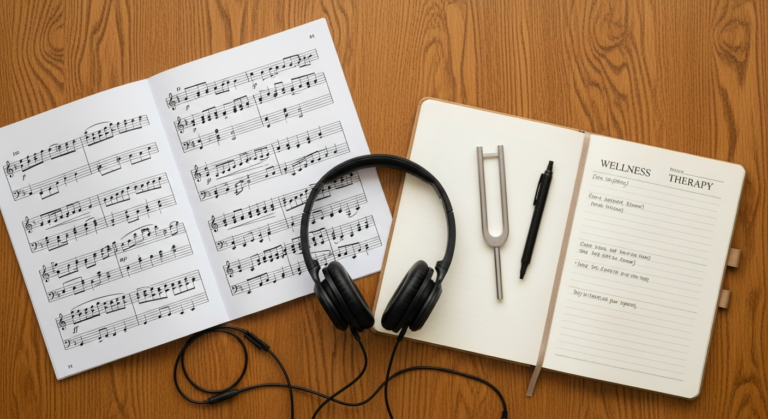
The Universal Language: How Music Connects with Memory
Music is often referred to as a universal language, and its power is perhaps most evident in the context of memory loss, especially with conditions like Alzheimer’s. While verbal communication and recognition of faces may diminish, the ability to respond to music frequently remains intact, sometimes even into the late stages of the disease. This phenomenon isn’t coincidental; it speaks to the unique way our brains process and store musical information.
Unlike explicit memories, which involve conscious recall of facts and events and are often significantly impacted by Alzheimer’s, music taps into implicit memories. These are memories we don’t consciously think about, such as riding a bike, singing a song, or feeling an emotion associated with a particular tune. The brain areas responsible for processing and storing musical memories, including the auditory cortex, cerebellum, and parts of the limbic system (which deals with emotion), are often among the last to be affected by the neurodegeneration characteristic of Alzheimer’s.
Imagine a loved one who struggles to recognize family members or recall recent events. When a familiar melody from their youth begins to play, their eyes might light up, their foot might tap, or they might even hum along, perfectly enunciating lyrics they haven’t spoken in years. This isn’t just a fleeting moment of recognition; it’s a profound re-engagement with their personal history. Music acts as an emotional anchor, pulling forth autobiographical memories – the events, people, and feelings associated with specific songs from their past. A song might evoke memories of a first dance, a wedding, a beloved friend, or a significant life event. These memories are often accompanied by strong emotions, providing a sense of comfort, joy, or even nostalgia that can be incredibly therapeutic.
The emotional resonance of music is a critical component of its power. Music bypasses the logical, language-processing parts of the brain that are often compromised in Alzheimer’s. Instead, it directly accesses the emotional centers, triggering feelings that can bring a sense of calm, happiness, or engagement. For someone living with Alzheimer’s, who may frequently experience confusion, anxiety, or agitation, these moments of positive emotional connection are invaluable. They offer a temporary respite from the challenges of their condition, fostering moments of genuine presence and connection with others. This deep, almost primal connection to music underscores its potential as a non-pharmacological intervention, offering a pathway to improved quality of life and sustained engagement.
The Science Behind the Soundtrack: Music’s Impact on the Brain with Alzheimer’s

The remarkable effects of music on individuals with Alzheimer’s are not merely anecdotal; they are increasingly supported by a growing body of scientific research. Neuroimaging studies have provided fascinating insights into how the brain responds to music, even when other cognitive functions are significantly impaired. When a person with Alzheimer’s listens to music, multiple areas of the brain that are typically affected by the disease show activity, sometimes even robust activity.
One of the key scientific explanations lies in the diffuse nature of musical processing in the brain. Unlike language, which is largely localized to specific areas (Broca’s and Wernicke’s areas), music engages a widespread network of brain regions. This includes the auditory cortex for processing sound, the cerebellum for rhythm and timing, the hippocampus and prefrontal cortex for memory and executive function (though these are often compromised in Alzheimer’s, music can still elicit responses), and critically, the limbic system, which governs emotions and memory formation. Because music activates such a broad array of neural pathways, it can often bypass areas that have been damaged by Alzheimer’s, accessing relatively preserved regions.
Research also suggests that music can enhance neuroplasticity, the brain’s ability to reorganize itself by forming new neural connections. While neuroplasticity is generally reduced in Alzheimer’s, engaging with music, especially active participation like singing or playing an instrument, might help maintain or even improve existing neural pathways and stimulate new ones. This could contribute to improvements in cognitive function, such as attention, focus, and even language skills, albeit often temporarily. The phenomenon of “earworms” – songs that get stuck in our heads – further illustrates music’s powerful grip on memory, demonstrating how deeply ingrained musical patterns can become.
In essence, music acts as a powerful multisensory stimulus that provides a unique form of cognitive and emotional exercise for the brain affected by Alzheimer’s. It’s not just about triggering old memories; it’s about engaging the brain in a way that promotes well-being, reduces agitation, and fosters meaningful connections, offering a glimmer of hope and a profound pathway for therapeutic intervention.
Crafting a Musical Prescription: Practical Approaches for Caregivers
For caregivers of individuals with Alzheimer’s, harnessing the power of music requires thoughtful planning and observation. It’s not simply a matter of turning on the radio; creating an effective “musical prescription” involves personalization, timing, and a deep understanding of the patient’s preferences and reactions. The goal is to maximize the therapeutic benefits while minimizing any potential for overstimulation or negative responses.
The most crucial step is personalization. Music’s power lies in its ability to evoke personal memories and emotions. Therefore, the most effective music will be that which holds significant meaning for the individual. Caregivers should compile a comprehensive list of the patient’s favorite genres, artists, and specific songs from different periods of their life, especially their adolescence and early adulthood, as these periods are often strong anchors for autobiographical memory. Inquire with other family members, friends, or even look through old photo albums for clues about their musical tastes.
Once a repertoire is established, creating tailored playlists is essential. Digital music services and MP3 players make this easier than ever. Consider different playlists for different moods or times of day: a calming playlist for evenings or periods of agitation, an upbeat playlist for morning engagement or exercise, and a nostalgic playlist for reminiscence. It’s important to have these readily accessible and easy to operate.
Timing and context play a significant role. Music can be incredibly effective during routine activities that might otherwise cause distress, such as bathing, dressing, or mealtimes. Playing calming music can reduce anxiety during these transitions. Conversely, upbeat music can be used to energize and encourage participation in activities. Observe the patient’s reactions carefully. If they show signs of distress, irritation, or withdrawal, the music may be too loud, unfamiliar, or simply not to their liking. Flexibility and adaptation are key.
Volume and environment also need consideration. The music should be played at a comfortable volume that allows for conversation and doesn’t overwhelm the senses. Headphones can be particularly effective for individuals who are easily distracted or in a noisy environment, as they provide a more immersive and focused listening experience. However, some individuals may feel isolated by headphones, so it’s important to test what works best.
Finally, active engagement and observation are paramount. Don’t just play the music and walk away. Sit with your loved one, sing along, tap your foot, or gently encourage them to join in. Observe their body language, facial expressions, and vocalizations. Even a subtle smile, a nod of the head, or a tear in the eye can indicate a profound connection to the music and its associated memories. These shared moments of connection are not only therapeutic for the patient but can also be deeply rewarding for the caregiver, strengthening the bond and providing much-needed emotional sustenance for both. Regularly updating and refining the musical prescription based on ongoing observations ensures its continued effectiveness and relevance.
Beyond Listening: Engaging with Music Through Movement and Creation

While passive listening to music offers significant benefits for individuals with Alzheimer’s, actively engaging with music through movement and creation can unlock even deeper therapeutic potential. This transition from observer to participant enhances cognitive stimulation, physical activity, and social interaction, tapping into a broader spectrum of well-being.
One of the most powerful ways to engage with music is through movement. Dancing, even in its simplest forms, offers a wealth of benefits. The Benefits Of Dancing For Mental Health are well-documented for the general population, and these extend profoundly to those with Alzheimer’s. Dancing can improve mood, reduce anxiety, and alleviate symptoms of depression. The physical act of moving to music stimulates multiple brain regions simultaneously, including those involved in motor control, rhythm, coordination, and memory. Even gentle swaying, foot-tapping, or arm movements can contribute to improved balance, flexibility, and muscle strength, helping to maintain physical function and reduce the risk of falls.
For individuals with limited mobility, adaptive forms of dancing are crucial. This might involve seated dancing, where movements are focused on the upper body, arms, and feet, or simply encouraging rhythmic clapping or finger-tapping. The key is to foster a sense of participation and joy, regardless of physical limitations. Group dancing, even if informal, can also provide valuable social interaction, combating feelings of isolation and fostering a sense of community.
Beyond movement, active musical creation offers another rich avenue for engagement. This doesn’t require prior musical training. Simple activities like singing along to familiar songs are highly beneficial. Singing engages language centers, memory recall, and breath control, often allowing individuals to articulate lyrics with surprising clarity, even when conversational speech is difficult. Group singing sessions can be particularly uplifting, fostering camaraderie and shared positive experiences.
Playing simple instruments can also be profoundly therapeutic. Percussion instruments like shakers, drums, or tambourines are accessible to most individuals, regardless of dexterity. The act of creating sound, feeling the rhythm, and contributing to a collective musical experience can enhance fine motor skills, hand-eye coordination, and a sense of accomplishment. Even improvisational music-making, where individuals simply experiment with sounds, can be a joyful and expressive outlet.
These active engagements with music transform it from a background stimulus into a dynamic, interactive experience. They provide opportunities for self-expression, reduce agitation, improve mood, and offer moments of genuine connection. By encouraging singing, dancing, and simple instrument play, caregivers can unlock deeper cognitive and emotional benefits, fostering a more vibrant and engaged quality of life for their loved ones with Alzheimer’s.
The Reggae Rhythm: A Unique Therapeutic Cadence
While personal preference dictates the most effective music for an individual with Alzheimer’s, certain genres possess inherent qualities that lend themselves particularly well to therapeutic applications. Among these, the distinctive rhythm and spirit of reggae music offer a unique and often profoundly beneficial experience. At Heartbeat Reggae, we’ve long championed the holistic advantages of this genre, and its Reggae Music Health Benefits extend remarkably to cognitive and emotional well-being, even for those navigating the complexities of Alzheimer’s.
What makes reggae music so uniquely therapeutic? Firstly, its characteristic rhythm – often described as a “one drop” beat with a strong emphasis on the third beat – creates a consistent, hypnotic, and often calming pulse. This steady, undulating rhythm can be deeply grounding, providing a sense of stability and predictability that can be incredibly soothing for individuals who may experience confusion and disorientation. The gentle, often slower tempo of many reggae tracks is conducive to relaxation and can help reduce agitation and anxiety, common challenges for Alzheimer’s patients.
Secondly, the lyrical content of reggae music frequently carries messages of peace, unity, love, and resilience. These positive affirmations and spiritual themes can resonate deeply, fostering a sense of hope and tranquility. For individuals who may be struggling with feelings of fear or sadness, the uplifting and empowering lyrics can provide emotional comfort and a sense of connection to something larger than themselves. Even if the specific words are not fully processed, the overall positive sentiment conveyed through the melody and vocal delivery can have a powerful impact on mood.
Moreover, the instrumental composition of reggae, often featuring prominent basslines, rhythmic guitar skanks, and soulful vocal harmonies, creates a rich, layered soundscape that can be highly engaging without being overstimulating. The deep vibrations of the bass can be particularly grounding, reaching sensory levels that might otherwise be dulled. The natural, organic feel of reggae music, often with its roots in folk traditions, can evoke a sense of warmth and familiarity, contributing to a feeling of comfort and security.
The inherent groove of reggae music also naturally encourages gentle movement, even if it’s just a subtle sway or a tap of the foot. This makes it an ideal soundtrack for the “Beyond Listening” activities discussed earlier, facilitating the Benefits Of Dancing For Mental Health in a gentle, non-demanding way. Whether it’s a Bob Marley classic, a soulful Alton Ellis tune, or a modern roots reggae track, the genre’s capacity to soothe the mind, uplift the spirit, and encourage gentle physical engagement positions it as a powerful and compassionate tool in the care of individuals with Alzheimer’s. Its universal appeal and inherent positivity offer a unique pathway to joy, connection, and peace, truly embodying the spirit of Heartbeat Reggae.
Holistic Pathways to Well-being: Complementary Strategies
While music therapy stands as a powerful intervention for individuals with Alzheimer’s, it is most effective when integrated into a broader, holistic approach to well-being. Recognizing that cognitive health is intertwined with physical, emotional, and social health, caregivers can explore various complementary strategies to enhance the quality of life for their loved ones. These pathways emphasize overall health and can potentially create a more receptive environment for therapeutic interventions like music.
Nutrition and Hydration: A balanced diet rich in fruits, vegetables, whole grains, and lean proteins is crucial for brain health. Antioxidants, omega-3 fatty acids, and B vitamins are particularly beneficial for cognitive function. Ensuring adequate hydration is also paramount, as dehydration can exacerbate confusion and fatigue in older adults, especially those with cognitive impairments. Consulting with a dietitian can help tailor a meal plan that meets specific needs and preferences.
Regular Physical Activity: Beyond structured dancing, incorporating gentle exercise into daily routines is vital. Walking, chair exercises, or simple stretching can improve circulation, enhance mood, reduce agitation, and improve sleep quality. Even short bursts of activity can have a positive impact on cognitive vitality and overall physical health, making individuals more receptive to other forms of engagement, including music.
Cognitive Stimulation: Engaging the mind through activities like puzzles, games, reading aloud, or simple crafts can help maintain cognitive function for as long as possible. These activities should be tailored to the individual’s abilities, focusing on enjoyment rather than challenge, to prevent frustration. Music itself acts as a powerful form of cognitive stimulation, activating multiple brain regions simultaneously.
Social Engagement: Preventing isolation is key. Regular interaction with family, friends, and caregivers provides emotional support and cognitive stimulation. Group activities, even small ones, can foster a sense of belonging and reduce feelings of loneliness and depression. Music sessions, especially group singing or movement, are excellent vehicles for social connection.
Sleep Hygiene: Quality sleep is essential for brain health and memory consolidation. Establishing a consistent sleep schedule, creating a calm bedtime routine, and ensuring a comfortable sleep environment can significantly improve sleep patterns, which in turn can reduce daytime confusion and agitation. Avoiding caffeine and heavy meals before bed can also contribute to better sleep.
Emerging Research: Intermittent Fasting and Mental Clarity. While not a direct treatment for Alzheimer’s, emerging research is exploring the potential benefits of lifestyle interventions like Intermittent Fasting for Mental Clarity and overall brain health. Studies, primarily in animal models and early human trials, suggest that intermittent fasting may promote cellular repair processes (autophagy), reduce inflammation, and enhance neuroplasticity, potentially supporting cognitive function. It’s thought to improve metabolic health, which has direct implications for brain health. However, it is crucial to emphasize that any significant dietary change, especially for vulnerable populations like those with Alzheimer’s, must be undertaken only under strict medical supervision and guidance. It is not a cure, but rather a potential complementary strategy within a comprehensive wellness plan, focusing on overall metabolic health that might indirectly support cognitive resilience. This area of research is still developing, and personalized medical advice is paramount.
By integrating these complementary strategies alongside music therapy, caregivers can create a comprehensive environment that supports not only the cognitive and emotional needs of individuals with Alzheimer’s but their entire well-being, fostering moments of clarity, calm, and connection.
Looking Ahead: Research, Innovation, and Hope for 2026
The journey with Alzheimer’s disease is undoubtedly challenging, but the landscape of research and care is continually evolving, bringing with it renewed hope and innovative approaches. As we look towards 2026 and beyond, the role of music in therapeutic interventions is expected to grow even stronger, supported by advancements in neuroscience, technology, and a deeper understanding of personalized care.
One significant area of ongoing research focuses on precisely mapping the neural pathways activated by music in the brains of individuals with Alzheimer’s. Using advanced neuroimaging techniques, scientists are working to understand why certain memories are preserved and how music specifically accesses and stimulates these resilient brain regions. This deeper understanding could lead to more targeted and effective music therapy protocols, tailored to individual cognitive profiles and stages of the disease.
Technological innovations are also playing a pivotal role. Personalized music delivery systems, such as smart devices capable of creating dynamic playlists based on biometric feedback (like heart rate or skin conductance to detect agitation), are becoming more sophisticated. Virtual reality (VR) and augmented reality (AR) are being explored to create immersive musical experiences that can transport individuals to cherished memories or calming environments, enhancing the therapeutic impact of music. Imagine a patient in 2026 donning a VR headset and experiencing a concert from their youth, complete with visual and auditory cues designed to evoke profound autobiographical memories.
The integration of artificial intelligence (AI) is another promising frontier. AI algorithms could potentially analyze an individual’s past musical preferences, current emotional state, and behavioral patterns to generate highly personalized and adaptive musical “prescriptions” in real-time. This could optimize the timing, genre, and specific songs played to maximize positive responses and minimize distress, making music therapy more precise and responsive than ever before.
Furthermore, there is a growing emphasis on caregiver support and training in music therapy techniques. Empowering caregivers with the knowledge and tools to effectively use music in daily care can significantly enhance the quality of life for both the person with Alzheimer’s and their care team. Workshops, online resources, and community programs are expanding to teach practical applications of music, from creating playlists to leading simple sing-alongs and movement sessions.
As we approach 2026, the collective efforts of researchers, healthcare professionals, technologists, and passionate advocates like Heartbeat Reggae continue to illuminate the profound power of music. It is a testament to the enduring human spirit and the brain’s remarkable capacity for connection, even in the face of immense challenge. Music offers not just a momentary respite but a consistent source of joy, dignity, and a pathway to reconnect with the cherished memories that define us, providing unwavering hope for a brighter future in Alzheimer’s care.
Frequently Asked Questions
Recommended Resources
Check out Self Love Practices That Improve Relationships on Stop Phubbing for a deeper dive.
Learn more about this topic in Social Media Detox Guide Step By Step at Stop Phubbing.