The Scientific Symphony: Physiological and Psychological Mechanisms of Singing
The immediate sense of uplift or calm many experience after a good sing-along is not merely anecdotal; it is rooted in a fascinating interplay of physiological and psychological processes. When we engage our voices, our bodies respond in a symphony of beneficial ways that directly impact our mental state.
- Endorphin Release: One of the most well-known chemical responses to singing is the surge of endorphins, the body’s natural painkillers and mood elevators. These neurochemicals produce feelings of pleasure and euphoria, effectively counteracting feelings of sadness or pain. It’s the same ‘runner’s high’ phenomenon, but achieved through vocal exertion rather than physical.
- Oxytocin Production: Especially in group singing settings, the hormone oxytocin is released. Often dubbed the ‘love hormone’ or ‘bonding hormone,’ oxytocin fosters feelings of trust, empathy, and social connection. This is crucial for mental health, as social isolation is a significant risk factor for depression and anxiety. Group singing creates an instant sense of belonging and shared purpose, amplified by this chemical response.
- Dopamine Activation: The brain’s reward system, heavily influenced by dopamine, is also activated during singing. Anticipation of singing, the act itself, and the positive feedback (even self-generated) all contribute to dopamine release, reinforcing the behavior and creating a positive feedback loop that can improve motivation and pleasure.
- Vagal Nerve Stimulation: The vagus nerve is a critical component of the parasympathetic nervous system, responsible for regulating various internal organ functions and promoting relaxation. Singing, particularly with deep breathing and sustained vocalization, stimulates the vagus nerve. This stimulation helps to lower heart rate, reduce blood pressure, and activate the “rest and digest” response, effectively calming the body and mind. It’s a natural antidote to the “fight or flight” response often triggered by stress.
- Cortisol Reduction: Chronic stress is a pervasive issue in modern life, leading to elevated levels of the stress hormone cortisol. Studies have consistently shown that singing can significantly reduce cortisol levels. The deep, controlled breathing required for singing, coupled with the emotional release it provides, acts as a powerful stressbuster, helping to restore hormonal balance and reduce the physiological impact of stress on the body and mind.
- Improved Respiratory Function: Singing necessitates diaphragmatic breathing, a technique known to promote relaxation and improve oxygen intake. This deeper, more controlled breathing enhances lung capacity, improves circulation, and provides the brain with a steady supply of oxygen, leading to clearer thinking and reduced feelings of panic or anxiety. It’s a form of active meditation that is both physically and mentally invigorating.
Understanding these intricate mechanisms helps us appreciate that singing isn’t just a pastime; it’s a powerful, self-administered therapy with profound effects on our neurochemistry and physiology, laying a solid foundation for robust mental well-being.
Singing as a Stress Reliever and Potent Mood Booster
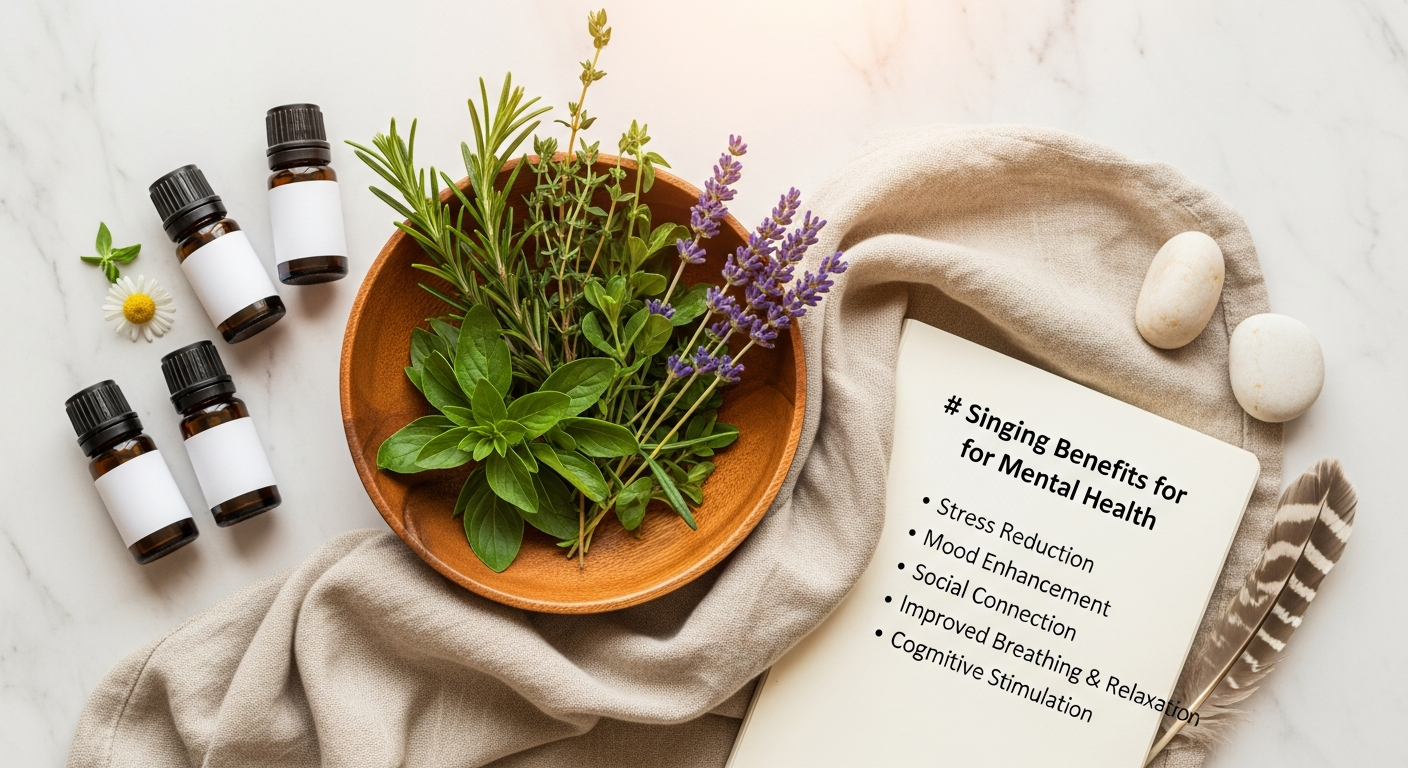
Beyond the internal chemical shifts, the act of singing itself provides a direct and immediate pathway to stress reduction and mood elevation. It’s a holistic practice that engages the body, mind, and spirit in a harmonious pursuit of peace and joy.
- Direct Impact on Anxiety and Depression: For individuals grappling with anxiety, singing offers a structured yet liberating outlet. The focus required to produce sound, control breath, and articulate lyrics can effectively draw attention away from intrusive anxious thoughts. For those experiencing depression, singing can provide a much-needed emotional release and a sense of accomplishment. The positive neurochemical changes discussed earlier directly alleviate symptoms, offering a non-pharmacological, accessible intervention. It’s a proactive way to engage with and manage challenging emotional states.
- Mindfulness in Melody: Singing demands presence. When you sing, you are inherently mindful – focusing on your breath, the pitch, the rhythm, the resonance within your body, and the meaning of the lyrics. This active engagement pulls your attention away from rumination about the past or worries about the future, anchoring you firmly in the present moment. This mindful state is akin to meditation, providing a mental break from the relentless chatter of daily life and fostering a sense of calm and centeredness.
- Healthy Distraction and Emotional Release: Sometimes, the best way to deal with overwhelming emotions is to momentarily step away from them. Singing provides a healthy and constructive distraction. It allows for an emotional catharsis, where feelings can be expressed and processed through the music itself. Whether it’s belting out a power ballad to release anger or humming a gentle lullaby to soothe sadness, singing provides a safe container for emotional exploration and release.
- Vocal Toning and Vibration: The physical vibrations produced by singing resonate throughout the body, creating a soothing internal massage. This phenomenon, known as vocal toning, can have a deeply calming effect, releasing tension held in the chest, throat, and jaw. This physical release contributes significantly to overall mental relaxation.
It is within this context that the specific qualities of certain musical genres, such as Reggae, become particularly salient. Reggae Music Health Benefits are well-documented, and its connection to mental well-being is profound. The characteristic off-beat rhythm, often referred to as the ‘one drop,’ combined with the deep, resonant basslines, creates a grounding and meditative pulse that can calm the nervous system. Lyrically, Reggae often champions messages of peace, unity, love, social justice, and spiritual upliftment, offering hope and perspective in challenging times. Singing along to Reggae tunes, whether in a crowd or alone, amplifies these effects. The collective vibration, the shared message of resilience and positive affirmation, and the inherent joyousness of the music combine to create a powerful mood-boosting experience. It’s not just the act of singing, but the content and cultural context of the song that can elevate the spirit and soothe the mind, making Reggae a particularly potent ally in the quest for mental clarity and emotional strength.
Building Connections: The Social and Communal Aspect of Singing
- Combating Loneliness and Isolation: In an increasingly digital world, genuine human connection can sometimes feel elusive. Loneliness is a significant public health concern, linked to numerous mental and physical health issues. Group singing, whether in a choir, a community sing-along, or even a casual jam session, provides a built-in social network. It’s a low-pressure environment where individuals can interact, forge friendships, and feel a sense of camaraderie. The shared vulnerability of expressing oneself through song fosters deeper bonds than many other social activities.
- A Sense of Belonging and Identity: Being part of a singing group cultivates a powerful sense of belonging. Each voice, unique in its timbre and range, contributes to a harmonious whole. This collaborative effort reinforces the idea that every individual is valued and essential to the collective success. This shared identity can be incredibly affirming, boosting self-esteem and providing a supportive community structure that acts as a buffer against life’s stresses.
- Synchronicity and Empathy: When people sing together, their heart rates and breathing patterns often synchronize. This physiological mirroring creates a profound sense of unity and empathy among participants. It’s a non-verbal form of communication that transcends individual differences, fostering understanding and compassion. This shared vibrational experience can be deeply moving and spiritually uplifting, reinforcing our interconnectedness.
- Reduced Social Anxiety: For those who struggle with social anxiety, group singing can be a gentle and effective way to ease into social interactions. The focus on the music rather than individual performance can alleviate pressure, allowing individuals to gradually become more comfortable in a group setting. The shared goal of creating music together shifts the focus from personal scrutiny to collective achievement.
- Intergenerational and Intercultural Bridges: Singing groups often bring together people of diverse ages, backgrounds, and cultures. This provides rich opportunities for learning, understanding, and breaking down social barriers. Sharing songs from different traditions or eras can foster mutual respect and broaden perspectives, contributing to a more inclusive and harmonious society, starting at the micro-level of the singing group.
The communal aspect of singing taps into our fundamental human need for connection, offering a powerful antidote to isolation and nurturing a sense of belonging that is vital for robust mental health. It’s a testament to the fact that when we come together in voice, we not only create beautiful music but also build stronger, more resilient communities.
Cognitive Benefits: Sharpening the Mind Through Melody

Singing is not merely an emotional or social activity; it is a complex cognitive exercise that demands and enhances a wide array of mental faculties. Engaging with music vocally can be a powerful tool for maintaining and improving brain health, akin to a mental workout that keeps the mind agile and resilient.
- Memory Enhancement: Learning lyrics, melodies, harmonies, and performance cues significantly strengthens memory. This isn’t just rote memorization; it involves various types of memory:
- Verbal Memory: Recalling lyrics and their order.
- Auditory Memory: Remembering melodies, pitches, and rhythms.
- Motor Memory: Coordinating vocal muscles, breath control, and sometimes physical movements.
- Associative Memory: Linking lyrics to emotions, stories, or specific musical phrases.
This multi-faceted engagement provides a comprehensive workout for the brain’s memory centers, potentially delaying age-related cognitive decline.
- Improved Focus and Concentration: Singing requires sustained attention. You must concentrate on pitch accuracy, rhythmic precision, breath support, and vocal tone, all while potentially reading music or interacting with other singers. This intense focus trains the brain to filter out distractions and maintain concentration over extended periods, a skill transferable to other areas of life, from work to personal tasks.
- Language Processing and Articulation: Singing involves the precise articulation of words, often at varying tempos and pitches. This engages the language centers of the brain, improving vocabulary, pronunciation, and overall linguistic fluency. For those learning new languages, singing in that language can be an enjoyable and effective way to practice pronunciation and recall.
- Neuroplasticity: The brain’s ability to reorganize itself by forming new neural connections throughout life is known as neuroplasticity. Learning and performing music, particularly singing, is a prime driver of neuroplasticity. It creates new pathways and strengthens existing ones, enhancing cognitive flexibility and adaptability. This makes the brain more resilient and efficient.
- Problem-Solving Skills: Interpreting musical notation, adapting to different vocal arrangements, blending with other voices, or even improvising requires quick thinking and problem-solving. Singers constantly make micro-adjustments in real-time, refining their performance and responding to the musical environment around them.
In the pursuit of optimal cognitive function, practices that foster mental clarity are invaluable. Just as Intermittent Fasting Mental Clarity has gained recognition for its ability to enhance cognitive function by optimizing metabolic processes, reducing inflammation, and promoting neuronal health, singing offers a complementary, non-dietary approach to sharpening the mind. While intermittent fasting provides a biochemical foundation for clearer thinking, singing provides a direct, active engagement that trains the brain. Both practices, though distinct, converge on the shared goal of fostering a more alert, focused, and resilient mind. Singing, through its demands on memory, attention, and executive function, acts as a mental ‘fasting’ from cognitive clutter, forcing the brain to streamline its processes and operate with greater precision. This synergy between physical and cognitive wellness practices underscores a holistic approach to mental sharpness that can empower individuals well into 2026 and beyond.
Self-Expression, Confidence, and Empowerment Through Song
Singing is more than just making sounds; it’s a powerful avenue for self-expression, a means to find and project one’s voice, leading to profound gains in confidence and a deep sense of personal empowerment.
- Finding Your Voice – Literally and Metaphorically: For many, the idea of singing, especially in front of others, can be daunting. Yet, the journey of learning to sing, discovering your vocal range, and finding your unique tone is incredibly liberating. This literal act of finding your voice often translates metaphorically into finding your personal voice – becoming more assertive, comfortable expressing opinions, and understanding your place in the world. It’s an act of reclaiming personal power.
- Overcoming Shyness and Performance Anxiety: Singing, particularly in a group or even in a low-stakes solo environment like karaoke, offers a safe space to confront and gradually overcome shyness or performance anxiety. The focus shifts from fear of judgment to the joy of participation. Each successful vocalization or performance, no matter how small, builds courage and resilience, gradually expanding one’s comfort zone.
- Emotional Release and Processing: Music has an unparalleled ability to tap into our deepest emotions. Singing allows for a healthy and constructive outlet for feelings that might otherwise be suppressed or difficult to articulate. Whether it’s channeling grief into a melancholic tune, joy into an upbeat anthem, or frustration into a powerful chorus, singing provides a cathartic release. This emotional processing is crucial for mental health, preventing emotional stagnation and promoting psychological well-being.
- Building Self-Esteem and Self-Worth: The mastery involved in singing – hitting a challenging note, blending harmoniously with others, or simply completing a song – provides a tangible sense of accomplishment. Positive feedback, whether from a teacher, peers, or self-reflection, reinforces a sense of capability and worth. This contributes significantly to building healthy self-esteem and a more positive self-image.
- Authenticity and Vulnerability: To truly sing from the heart requires a degree of vulnerability. It’s about letting go of inhibitions and allowing your true self to resonate. Embracing this vulnerability, even if imperfect, is a profound act of self-acceptance and authenticity. This courage to be vulnerable, developed through singing, can then extend to other areas of life, fostering deeper relationships and a more genuine existence.
The journey of self-expression through singing shares many parallels with another powerful form of personal liberation: movement. The Benefits Of Dancing For Mental Health are similarly rooted in self-expression, confidence-building, and emotional release. Just as dancing allows the body to convey what words cannot, liberating physical energy and fostering a connection between mind and body, singing allows the voice to do the same. Both practices encourage individuals to inhabit their bodies and voices fully, to shed inhibitions, and to embrace the creative act without judgment. Whether you are moving to the rhythm or vocalizing the melody, both dancing and singing are potent tools for boosting self-esteem, enhancing body awareness, and fostering a profound sense of personal power and joy. They offer a holistic approach to empowerment, demonstrating that true well-being often comes from the harmonious expression of our inner selves.
Practical Ways to Incorporate Singing into Your Daily Life
You don’t need to be a professional vocalist or aspire to a stadium tour to reap the profound mental health benefits of singing. Integrating singing into your daily routine can be simple, enjoyable, and incredibly effective. Here are practical ways to start your vocal wellness journey:
- Embrace Solo Sessions:
- The Shower Concert: The acoustics of a shower are surprisingly good, making it a perfect, private venue for belting out your favorite tunes. No judgment, just pure, unadulterated vocal freedom.
- Car Karaoke: Your commute or a road trip can transform into a personal concert hall. Roll down the windows (or not!), crank up the volume, and sing along with gusto.
- Sing While Doing Chores: Turn mundane tasks like cleaning, cooking, or gardening into an opportunity for vocal expression. A little background music and singing can make any chore more enjoyable and less stressful.
- Lullabies for Yourself: If you’re feeling anxious or stressed, try humming or softly singing a calming tune to yourself. It’s a self-soothing technique that can quickly bring down stress levels.
- Join a Group:
- Community Choirs: Many towns and cities have community choirs that welcome singers of all skill levels, often without auditions. This is an excellent way to experience the social and communal benefits of singing.
- Church or Spiritual Choirs: If you have a spiritual affiliation, joining a choir can offer a sense of community, purpose, and upliftment through shared sacred music.
- Singing Groups and Workshops: Look for local singing groups, vocal workshops, or open mic nights. These can be less formal than choirs and offer different styles of music.
- Online Singing Communities: In 2026, the digital landscape continues to offer innovative ways to connect. Explore online choirs, virtual vocal groups, or apps that allow you to sing along with others remotely.
- Karaoke Nights:
- Embrace the Fun: Karaoke is a fantastic way to practice singing in a social, low-pressure environment. It’s more about having fun and letting loose than perfect pitch.
- Connect with Friends: Organize karaoke nights with friends or family. It’s a wonderful bonding activity that encourages laughter and shared joy.
- Incorporate Vocal Exercises:
- Warm-Ups: Even 5-10 minutes of vocal warm-ups (lip trills, scales, gentle humming) can prepare your voice, improve breath control, and stimulate your vagus nerve, promoting relaxation.
- Breathing Exercises: Practice diaphragmatic breathing regularly. This foundational technique for singing is also excellent for stress reduction and mindfulness.
- Explore Therapeutic Singing:
- If you’re dealing with specific mental health challenges, consider seeking out a music therapist or vocal coach who specializes in therapeutic singing. They can guide you in using your voice as a tool for healing and self-discovery.
The key is to find what resonates with you and to approach singing with an attitude of joy and exploration rather than self-criticism. Even a few minutes of singing each day can make a significant difference in your mental well-being, proving that your voice is one of your most powerful assets.
The Future of Vocal Wellness: Trends and Research in 2026
As we move further into 2026, the understanding and application of singing for mental health continue to evolve, driven by ongoing research and technological advancements. The recognition of vocal wellness as a crucial component of holistic health is gaining significant momentum, moving beyond anecdotal evidence to robust scientific validation.
- Advanced Neurological Research: In 2026, research is increasingly leveraging advanced neuroimaging techniques (like fMRI and EEG) to precisely map the brain activity during singing. This allows scientists to pinpoint which brain regions are activated, how neural networks are strengthened, and the specific mechanisms through which singing impacts mood regulation, memory, and cognitive function. Expect deeper insights into singing’s role in conditions like Alzheimer’s, Parkinson’s, and chronic depression.
- Personalized Vocal Therapy: The future holds a promise of highly personalized vocal therapy programs. Utilizing AI and biometric data, therapists and educators in 2026 will be able to tailor singing exercises and repertoire to individual mental health needs, vocal capabilities, and even real-time emotional states, optimizing the therapeutic benefits.
- Digital Platforms and Virtual Choirs: The rise of sophisticated digital platforms for music collaboration and virtual choirs has become a staple in 2026. These technologies enable global participation, breaking down geographical barriers and fostering community among singers worldwide. This accessibility is particularly beneficial for individuals in remote areas or those with mobility challenges, ensuring that the mental health benefits of group singing are available to a wider audience.
- Integration into Healthcare Systems: We are seeing a growing trend in 2026 towards the integration of singing and music therapy into mainstream healthcare settings. Hospitals, mental health clinics, and elder care facilities are increasingly incorporating group singing sessions and individualized vocal interventions as complementary therapies for a range of conditions, from post-operative recovery to managing chronic stress and anxiety.
- Biofeedback and Wearable Technology: Wearable devices in 2026 are becoming more adept at providing real-time biofeedback during singing. These devices can monitor heart rate variability, breath patterns, and vocal parameters, giving users immediate insights into how their singing is impacting their physiological state. This data can empower individuals to optimize their vocal practice for maximum mental health benefits.
- Educational and Corporate Wellness Programs: Schools are increasingly recognizing the mental health benefits of singing, integrating it into curriculum beyond traditional music classes. Similarly, corporate wellness programs in 2026 are exploring group singing as a team-building activity and stress-reduction tool, recognizing its potential to boost employee morale, reduce burnout, and foster a positive work environment.
The journey of understanding the profound impact of singing on mental health is ongoing, and 2026 marks a period of exciting advancements. As technology and research continue to unveil new dimensions of vocal wellness, the timeless act of singing promises to remain a powerful, accessible, and joyful pathway to a healthier, happier mind for generations to come. At Heartbeat Reggae, we encourage you to embrace your voice and discover its incredible power.
Frequently Asked Questions
Recommended Resources
Check out How To Reconnect With Your Partner on Stop Phubbing for a deeper dive.
You might also enjoy How To Do A Digital Detox Weekend from Stop Phubbing.