
The Profound Connection: Music, Mind, and Meditation
The relationship between music and the human mind is as old as civilization itself. From tribal chants to classical symphonies, sound has always played a pivotal role in human experience, shaping our emotions, memories, and even our physiological states. When we speak of how to use music for meditation, we are tapping into this ancient, innate connection, leveraging the power of organized sound to guide our minds towards states of profound relaxation, focus, and self-awareness. It’s not merely about background noise; it’s about a deliberate, conscious integration of auditory stimuli into a practice designed for inner exploration and healing.
Understanding the Science Behind Sound and Serenity
The scientific community has increasingly recognized the therapeutic potential of music. Research in neuroscience and psychology reveals that music impacts our brainwaves, heart rate, blood pressure, and even the release of neurochemicals like dopamine and serotonin, which are crucial for mood regulation and feelings of well-being. When meditative music is introduced, it can facilitate a shift from beta brainwaves (associated with alertness and active thinking) to alpha and theta waves, which are characteristic of relaxed, reflective, and meditative states. Alpha waves, for instance, are prevalent during light meditation and daydreaming, promoting a sense of calm and receptivity. Theta waves, deeper still, are associated with deep meditation, creativity, and spiritual connection.
Certain musical elements are particularly effective in inducing these states. Repetitive rhythms, harmonious melodies, and specific frequencies can create an auditory anchor, drawing the mind away from external distractions and internal chatter. The brain’s natural tendency to synchronize with external rhythms, a phenomenon known as entrainment, plays a key role here. By providing a steady, calming rhythm, music can gently guide our biological systems into a more coherent, relaxed state. This physiological response is fundamental to understanding how to use music for meditation effectively, transforming it from a mere pleasant experience into a powerful tool for mental and emotional regulation.
Choosing Your Sonic Sanctuary: What Makes Music Meditative?
Not all music is created equal when it comes to meditation. While personal preference plays a role, certain characteristics generally define meditative music. These often include:
- Slow Tempos: Music with a slower beats per minute (BPM) tends to promote relaxation and can help slow down heart rate and breathing.
- Harmonious Melodies: Consonant, flowing melodies are typically more soothing than dissonant or jarring ones.
- Repetitive or Minimalist Structures: Repetition can create a hypnotic effect, allowing the mind to let go of analytical thought.
- Absence of Vocals (or Gentle Chants): For many, instrumental music or non-distracting vocalizations (like Om chanting) are preferred as lyrics can engage the cognitive mind, pulling focus away from the meditative state.
- Natural Sounds: Incorporating elements like ocean waves, rain, wind chimes, or birdsong can enhance the sense of tranquility and connection to nature.
- Specific Frequencies: Some compositions are tuned to specific frequencies (e.g., 432 Hz or 528 Hz), believed by some to have healing or harmonizing properties.
The choice of music is paramount to answering the question of how to use music for meditation. Experimentation is key, but beginning with genres traditionally associated with relaxation – ambient, classical, nature sounds, or even certain forms of instrumental reggae – can provide an excellent starting point. The goal is to find sounds that resonate with your inner being, allowing you to sink deeper into your practice without conscious effort.
Preparing Your Inner and Outer Space for Musical Meditation

Just as a chef prepares their ingredients before cooking, preparing your environment and mindset is crucial for a successful musical meditation session. The effectiveness of how to use music for meditation is significantly enhanced when external distractions are minimized and internal receptivity is maximized. This holistic approach ensures that the music can fully support your journey inward.
Setting the Scene: Environment and Comfort
Your physical surroundings play a significant role in your ability to relax and focus. Before you even press play, consider the following:
- Choose a Quiet Location: Find a space where you are unlikely to be disturbed. This might be a quiet room in your home, a secluded spot in a park, or even a designated corner that you reserve solely for meditation.
- Minimize External Noise: While the music will provide a sonic focus, reducing other ambient noises (e.g., turning off TVs, silencing phones, closing windows) can prevent unexpected disruptions.
- Ensure Comfort: Whether you prefer to sit on a cushion, a chair, or lie down, make sure your body is comfortable and supported. Discomfort can be a major distraction. Loose clothing, a cozy blanket, or a supportive pillow can make a world of difference.
- Adjust Lighting: Dim, soft lighting or natural light can create a more serene atmosphere than harsh, bright lights. Candlelight can also be a wonderful addition, offering a gentle visual focus.
- Consider Aromatherapy: Essential oils like lavender, frankincense, or sandalwood diffused into the air can further enhance relaxation and deepen your meditative state.
Creating a dedicated meditation space, no matter how small, signals to your mind that this is a place for peace and introspection. This ritual of preparation becomes an integral part of how to use music for meditation, setting the stage for a truly immersive experience.
Mental Preparation: Shifting Your Mindset
Beyond the physical environment, preparing your mental landscape is equally vital. Before you begin your musical meditation, take a few moments to transition from your daily activities:
- Release Expectations: Approach your meditation without rigid expectations. The goal isn’t to achieve a specific state or “clear your mind” completely, but rather to observe and be present.
- Acknowledge and Let Go: Briefly acknowledge any thoughts or emotions that are present, then gently set them aside for the duration of your practice. You can imagine placing them in a box or watching them float away like clouds.
- Set an Intention: While not strictly necessary, setting a simple intention—such as “to cultivate peace,” “to find clarity,” or “to simply be present”—can provide a gentle anchor for your mind during the session.
This mental shift is crucial for how to use music for meditation effectively. It helps you move from an active, doing mode to a receptive, being mode, allowing the music to penetrate deeper without the resistance of an overly active mind.
The Role of Breathwork Before the Beat Drops
Breath is the bridge between the body and mind, and consciously working with your breath before and during meditation can significantly enhance its benefits. Simple breathwork exercises can quickly shift your nervous system from sympathetic (fight or flight) to parasympathetic (rest and digest).
Before starting your music, try a few minutes of:
- Deep Abdominal Breathing: Inhale slowly through your nose, allowing your belly to rise. Exhale slowly through your mouth or nose, feeling your belly fall. Focus on making your exhales slightly longer than your inhales.
- Box Breathing: Inhale for a count of four, hold for four, exhale for four, hold for four. Repeat several times.
This preliminary breathwork primes your body and mind, making them more receptive to the calming influence of the music. It establishes a rhythm within you that the external music can then harmonize with, deepening your practice of how to use music for meditation from the very first note.
A Step-by-Step Guide: Integrating Music into Your Meditation Practice
Selecting Your Music: Genres and Intentions
The first crucial step is choosing the right soundtrack. As discussed, not all music is suitable for meditation. Here’s a deeper dive into selection:
- Ambient & Drone Music: Often characterized by long, sustained tones and atmospheric textures, this genre is excellent for creating a continuous, non-distracting soundscape.
- Classical Music: Certain classical compositions, particularly slow, instrumental pieces, can be profoundly meditative. Look for pieces designed for relaxation or contemplation.
- Nature Sounds: Pure nature sounds (rain, ocean waves, forest ambiance) can be incredibly grounding and transportive, connecting you to the natural world.
- World Music & Chants: Many cultural traditions have music specifically designed for spiritual or meditative purposes. Tibetan singing bowls, Indian ragas, or Gregorian chants fall into this category.
- Reggae Music: For those who appreciate its unique rhythm and message, certain forms of reggae can be surprisingly effective. While some reggae is energetic, dub and instrumental reggae often feature deep, resonant basslines, echoing effects, and a relaxed tempo that can induce a trance-like state. The inherent positive vibrations and messages of peace, unity, and love found in Reggae Music Health Benefits align perfectly with meditative intentions. The steady, often hypnotic rhythm can serve as an anchor, much like a mantra, gently guiding the mind.
- Binaural Beats & Isochronic Tones: These are scientifically engineered sounds designed to influence brainwave states directly. They typically require headphones for optimal effect.
Consider your intention for the session. Are you seeking deep relaxation, emotional release, focus, or spiritual connection? Let your intention guide your musical choice. The beauty of how to use music for meditation is its adaptability to your needs.
Active Listening vs. Background Ambiance
There are two primary ways to engage with music during meditation, and both have their merits:
- Active Listening (Mindful Hearing): In this approach, the music itself becomes the object of your meditation. Instead of focusing on your breath or a mantra, you direct your attention fully to the sounds—the individual instruments, the texture, the melody, the rhythm, the silence between notes. When your mind wanders, you gently bring it back to the auditory experience. This deep engagement with the music can be incredibly grounding and immersive. It allows the music to fully occupy your sensory awareness, leaving less room for intrusive thoughts.
- Background Ambiance: Here, the music serves as a supportive backdrop, creating a conducive atmosphere for other meditative practices, such as breath awareness, body scans, or visualization. The music fills the silence, masks minor environmental noises, and provides a gentle, consistent presence without demanding your full attention. It helps to settle the mind and prevent it from latching onto internal chatter. When practicing how to use music for meditation in this way, choose music that is subtle and non-intrusive, allowing your primary meditative focus to remain clear.
Experiment with both approaches to discover which resonates most effectively with your personal practice and the specific goals of each meditation session.
Duration and Consistency: Building a Habit
Like any skill, meditation improves with consistent practice. When integrating music:
- Start Small: Begin with shorter sessions, perhaps 5-10 minutes, and gradually increase the duration as you become more comfortable and focused. It’s better to have a consistent short practice than an occasional long one.
- Find Your Rhythm: Some people prefer daily short meditations, while others opt for longer sessions a few times a week. The key is to find a schedule that you can realistically maintain.
- Consistency is Key: Regular exposure to meditative music trains your brain to associate those sounds with relaxation and focus. Over time, simply hearing your chosen meditative track can trigger a shift into a calmer state.
By establishing a regular practice of how to use music for meditation, you build a powerful habit that reinforces mental clarity, emotional balance, and overall well-being, paving the way for a more harmonious life.
Beyond the Beats: Enhancing Your Wellness Journey with Music
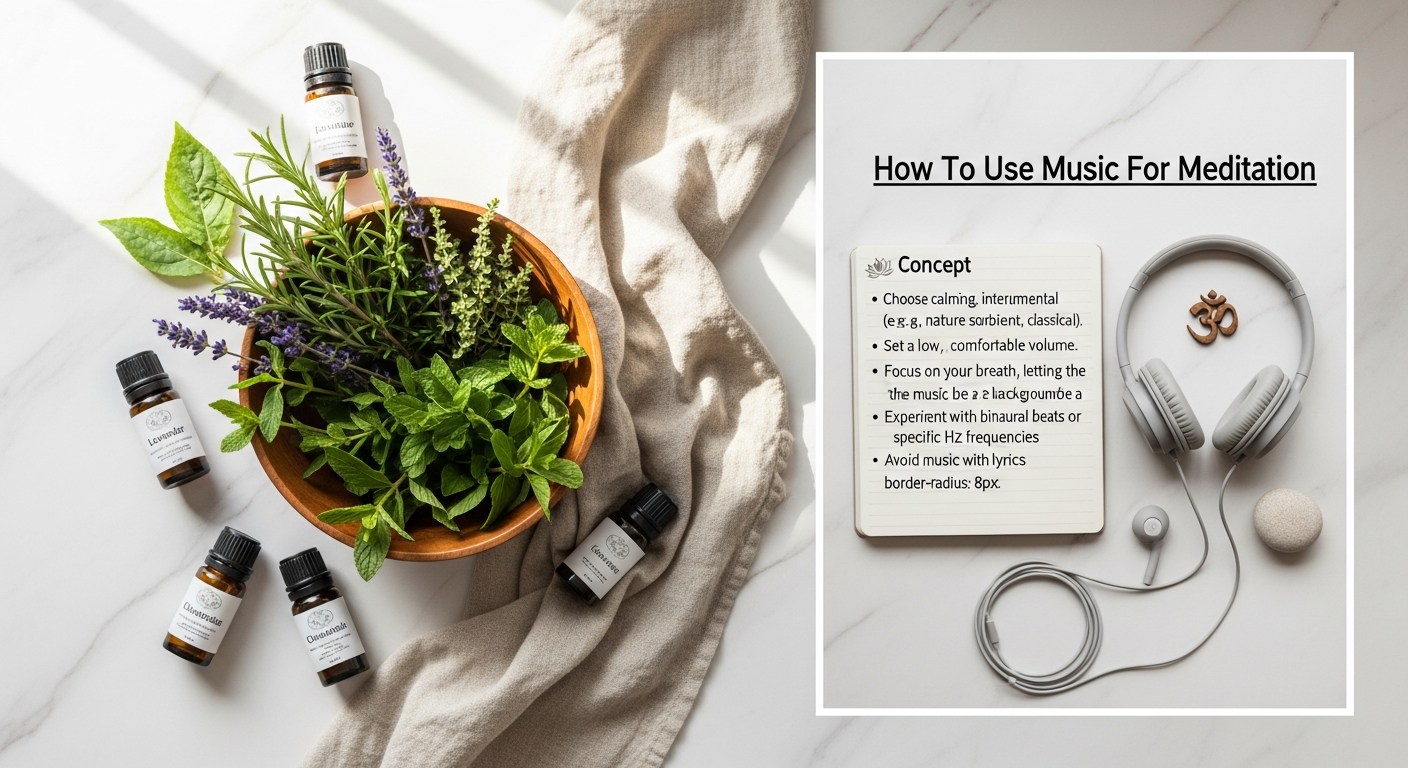
The benefits of integrating music into your meditation extend far beyond the duration of your practice. Music can become a powerful ally in cultivating a mindful lifestyle, contributing significantly to your overall wellness journey.
Music as a Tool for Stress Reduction and Emotional Regulation
The therapeutic impact of music on stress and emotions is well-documented. During meditation, music helps to calm the nervous system, reducing the production of stress hormones like cortisol. This physiological shift translates into a profound sense of peace and relaxation. Beyond formal meditation, using specific music throughout your day can serve as a potent emotional regulator:
- Morning Rituals: Start your day with uplifting or calming music to set a positive tone.
- Work Breaks: A short musical interlude can help you de-stress and re-center during a busy workday.
- Before Sleep: Gentle, ambient music can signal to your body and mind that it’s time to wind down, improving sleep quality.
- Processing Emotions: Music can provide a safe space to feel and process difficult emotions, acting as a non-judgmental companion.
Understanding how to use music for meditation is just the beginning; extending this principle to daily life can create a continuous cycle of emotional resilience and well-being.
Cultivating Mindfulness Throughout Your Day
Meditation is not just an isolated practice; it’s a training ground for mindfulness—the practice of being fully present and aware in the moment. Music can act as a gentle reminder to return to this state of awareness throughout your day. Whether you’re listening to a carefully curated playlist while walking, cooking, or simply sitting in contemplation, the sounds can bring you back to the present moment, anchoring your attention and preventing your mind from drifting into worries about the past or future.
Mindful listening, even to everyday sounds, can become a form of meditation itself. By paying close attention to the intricate textures, rhythms, and tones of the world around you, you develop a heightened sense of awareness that enriches every experience. This continuous practice of presence is a core tenet of effective how to use music for meditation and a mindful life.
The Reggae Lifestyle: A Harmony of Sound, Spirit, and Health
For enthusiasts of Heartbeat Reggae, the connection between music and wellness is particularly resonant. The Reggae Lifestyle And Wellness philosophy embodies many principles that align perfectly with meditation and mindfulness. Reggae music, with its deep roots in spirituality, social consciousness, and a celebration of life, naturally promotes a state of reflective calm and positive outlook. Its emphasis on “one love,” unity, and connection to nature fosters a sense of peace and belonging that is inherently meditative.
Beyond the music, the reggae lifestyle often encourages:
- Natural Living: A preference for organic foods, herbal remedies, and sustainable practices.
- Community and Connection: Strong communal bonds and a focus on collective well-being.
- Spiritual Awareness: A deep connection to a higher power or universal consciousness, often expressed through prayer, contemplation, and ethical living.
- Rhythmic Movement: Dance and movement to reggae music can be a form of active meditation, releasing tension and promoting joy.
Integrating the rhythms and philosophy of reggae into your daily life, and specifically into your meditation practice, offers a unique pathway to holistic wellness. The intrinsic positive vibrations of reggae can serve as a powerful tool for cultivating inner peace, resilience, and a deeper appreciation for life, providing a vibrant answer to how to use music for meditation with cultural depth.
Advanced Techniques and Personalization in Musical Meditation
As you become more comfortable with the fundamentals of how to use music for meditation, you can begin to explore more advanced techniques and personalize your practice to deepen its impact and address specific needs.
Exploring Different Frequencies and Binaural Beats
For those interested in the more scientific aspects of sound, exploring specific frequencies and binaural beats can be a fascinating next step:
- Solfeggio Frequencies: These ancient scales are believed to have specific healing and transformative properties. Frequencies like 528 Hz (the “Miracle” tone, associated with DNA repair) or 639 Hz (for connection and relationships) are often used in meditation music. While scientific evidence is still emerging, many report profound experiences.
- Binaural Beats: These are auditory illusions created when two slightly different frequency pure-tone sine waves are presented to a listener, one to each ear. The brain perceives a third “beat” frequency, which is the difference between the two tones. By precisely setting these differences, binaural beats can entrain brainwaves to specific states (e.g., delta for sleep, theta for deep meditation, alpha for relaxation, beta for focus). To use binaural beats effectively, high-quality headphones are essential. They offer a direct way to influence brain states and can be particularly useful for those struggling to reach deeper meditative levels with traditional music.
- Isochronic Tones: Similar to binaural beats but often considered more effective without headphones, isochronic tones involve a single tone that is rapidly turned on and off. The distinct, pulsed sound is designed to entrain brainwaves in a similar manner.
Experimenting with these specialized sound tools can provide a new dimension to your understanding of how to use music for meditation, allowing you to fine-tune your practice for specific outcomes.
The Power of Silence After the Music Fades
While music is a powerful aid, incorporating silence at the end of your musical meditation can be equally transformative. The transition from sound to stillness allows the mind to integrate the experience and often reveals a deeper layer of inner peace. After the music ends:
- Remain Still: Resist the urge to immediately move or open your eyes.
- Observe the Afterglow: Notice the lingering sensations, the quiet hum of your body, and the stillness of your mind.
- Embrace the Void: This period of silence can be incredibly potent, offering a direct experience of pure awareness without external stimuli.
This post-music silence is often where the deepest insights and feelings of tranquility emerge. It’s a crucial, often overlooked, aspect of truly mastering how to use music for meditation, allowing the effects of the sound to fully settle within you.
Journaling and Reflection Post-Meditation
To fully integrate the benefits of your musical meditation, consider dedicating a few minutes to journaling or reflection immediately afterward. This practice helps to solidify insights, process emotions, and track your progress.
- Note Your Experience: Write down any thoughts, feelings, sensations, or images that arose during your meditation.
- Identify Patterns: Over time, you might notice patterns in your emotional responses to certain music or specific meditative states.
- Acknowledge Growth: Journaling provides a tangible record of your journey, reinforcing your commitment and celebrating your inner growth.
This reflective component deepens your understanding of how to use music for meditation not just as a temporary escape, but as a catalyst for ongoing self-discovery and personal evolution.
Optimizing Your Mind-Body Connection: Complementary Practices
The practice of how to use music for meditation is most powerful when integrated into a holistic wellness approach. By combining musical meditation with other supportive lifestyle practices, you can create a synergistic effect that amplifies mental clarity, physical vitality, and emotional balance.
Nutrition and Hydration: Fueling Your Focus
What you put into your body directly impacts your mental state and your ability to meditate effectively. A diet rich in whole, unprocessed foods supports optimal brain function and energy levels, reducing sluggishness and mental fog that can hinder meditation.
- Balanced Diet: Focus on nutrient-dense foods like fruits, vegetables, lean proteins, and healthy fats. These provide the steady energy and essential nutrients your brain needs.
- Avoid Stimulants: Excessive caffeine or sugar can create jitteriness and anxiety, making it harder to settle into a meditative state.
- Stay Hydrated: Dehydration can lead to fatigue, headaches, and impaired cognitive function. Ensure you’re drinking plenty of water throughout the day to keep your mind sharp and body functioning optimally.
Just as you carefully select your meditative music, choosing nourishing foods and drinks is an act of self-care that profoundly supports your inner work.
Intermittent Fasting and Mental Clarity: A Synergistic Approach
- Autophagy: During fasting, the body initiates a cellular repair process called autophagy, where old and damaged cells are cleared out, making way for new, healthy ones. This cellular cleansing can extend to the brain, contributing to greater mental clarity.
- BDNF Production: Fasting also stimulates the production of Brain-Derived Neurotrophic Factor (BDNF), a protein that supports the survival of existing neurons and encourages the growth of new ones. Higher BDNF levels are linked to improved learning, memory, and overall cognitive health.
- Reduced Inflammation: Chronic inflammation can impair brain function. Intermittent fasting has anti-inflammatory effects, which can further contribute to a clearer, more focused mind, especially beneficial for meditation in 2026 and beyond.
When combined with musical meditation, the enhanced mental clarity derived from intermittent fasting can allow for deeper, more focused meditative states. The mind, freed from the digestive burden and benefiting from cellular rejuvenation, becomes more receptive to the subtle guidance of the music, making the experience of how to use music for meditation even more profound.
Movement and Yoga: Harmonizing Body and Music
Physical movement, particularly mindful practices like yoga, tai chi, or even conscious dancing, can create a powerful synergy with musical meditation. Movement helps to release physical tension, improve circulation, and ground the body, preparing it for stillness.
- Pre-Meditation Stretch: A few gentle stretches or yoga poses before your musical meditation can help to open the body and calm the mind, making it easier to sit comfortably.
- Yoga with Music: Practicing yoga flows to meditative music can be a moving meditation in itself, allowing the rhythm to guide your breath and movement, creating a seamless flow between body, mind, and sound.
- Conscious Dance: For some, free-form, conscious dance to uplifting or rhythmic music (like reggae) can be a powerful way to release stagnant energy and connect with inner joy before moving into a more seated, silent meditation.
By harmonizing your physical body with the power of music, you create a holistic foundation for deeper meditative states, truly understanding how to use music for meditation as a full-body experience.
Troubleshooting and Sustaining Your Musical Meditation Practice
Even with the best intentions and preparations, challenges can arise in any meditation practice. Knowing how to navigate these common hurdles is key to sustaining your journey of how to use music for meditation and reaping its long-term benefits.
Overcoming Distractions and Restlessness
It’s entirely normal for the mind to wander or for the body to feel restless during meditation, especially when you’re starting out. Don’t be discouraged; this is part of the process:
- Acknowledge, Don’t Judge: When distractions arise (a thought, an itch, an external noise), simply acknowledge them without judgment. Notice them, and then gently redirect your attention back to the music or your breath.
- Use the Music as an Anchor: If your mind is particularly busy, consciously bring your focus back to the intricate details of the music—a specific instrument, the underlying rhythm, or the overall texture. Let the sound be your primary anchor.
- Adjust Your Position: If physical discomfort is causing restlessness, subtly adjust your posture. Sometimes, a slight shift can make a big difference. If lying down makes you too sleepy, try sitting upright.
- Shorten Your Sessions: If you find yourself consistently frustrated, try shortening your meditation time. Even 5 minutes of focused musical meditation is more beneficial than 20 minutes of struggling.
- Body Scan: If restlessness persists, briefly shift your attention to a quick body scan. Notice any areas of tension and consciously try to relax them before returning to the music.
Patience and self-compassion are your greatest allies in maintaining your practice of how to use music for meditation. Every time you gently bring your mind back, you strengthen your capacity for focus.
Adapting Your Practice to Life’s Demands
Life is unpredictable, and your meditation practice needs to be flexible enough to accommodate its ebb and flow. Don’t let perfection be the enemy of good:
- Embrace Micro-Meditations: You don’t always need a dedicated 30-minute slot. A 3-5 minute musical meditation during a coffee break, on your commute (if not driving), or before an important meeting can be incredibly effective.
- Integrate into Daily Activities: Listen to meditative music while doing mundane tasks like washing dishes, walking, or tidying up. This transforms ordinary moments into opportunities for mindfulness.
- Be Flexible with Music Choices: Some days you might crave ambient soundscapes, other days the grounding rhythms of reggae. Be attuned to what your mind and body need on any given day.
- Forgive Yourself: If you miss a day or a week, don’t beat yourself up. Simply acknowledge it and gently return to your practice when you can. The goal is progress, not perfection.
The adaptability of how to use music for meditation makes it a sustainable practice that can grow and evolve with you through all stages of life, proving its enduring value as a wellness tool.
The Long-Term Benefits: A Path to Lasting Serenity
Consistent engagement with musical meditation offers a wealth of long-term benefits that extend far beyond the immediate feelings of calm:
- Reduced Chronic Stress and Anxiety: Regular practice trains your nervous system to be less reactive to stressors.
- Improved Emotional Regulation: You develop a greater capacity to observe and manage your emotions without being overwhelmed by them.
- Enhanced Focus and Concentration: Meditation strengthens the brain’s “attention muscle,” improving your ability to focus in all areas of life.
- Greater Self-Awareness: You gain deeper insights into your thoughts, feelings, and patterns, leading to personal growth.
- Better Sleep Quality: Calmer mind naturally leads to more restorative sleep.
- Increased Compassion and Empathy: Many find that meditation cultivates a deeper connection to themselves and others.
- Boosted Creativity and Problem-Solving: By quietening the mind, new ideas and solutions can emerge more easily.
By diligently exploring how to use music for meditation, you are investing in a powerful tool for self-care and personal transformation. The harmonious integration of sound and stillness paves a clear path to lasting serenity, resilience, and a deeper connection to the rhythm of your own heart.
Frequently Asked Questions
Recommended Resources
Explore How To Reduce Family Stress At Home for additional insights.
For more on how to use, see Tips For Healthy Technology Use on Stop Phubbing.