The Soothing Symphony: Understanding Anxiety and Stress in Our Modern World
Before we delve into the comforting embrace of herbal teas, it’s crucial to understand the landscape of anxiety and stress that many of us navigate daily. Stress is the body’s natural response to challenges, a primitive “fight or flight” mechanism designed to protect us. In short bursts, it can be motivating. However, chronic stress, fueled by work pressures, financial worries, relationship issues, and the relentless pace of digital communication, becomes detrimental. It manifests physically as headaches, muscle tension, digestive problems, and fatigue, and mentally as irritability, difficulty concentrating, and a pervasive sense of unease.
Anxiety, on the other hand, is often characterized by persistent and excessive worry about everyday situations. It can range from mild apprehension to debilitating panic attacks, frequently accompanied by physical symptoms like a racing heart, shortness of breath, and restlessness. Both stress and anxiety can create a vicious cycle, feeding into each other and making it difficult to break free. The constant activation of the sympathetic nervous system, responsible for our stress response, depletes our resources and leaves us feeling drained and overwhelmed. This persistent state can hinder our ability to enjoy life, engage meaningfully with others, and even impact our physical health over the long term.
The quest for relief from these pervasive modern ailments has led many to seek natural, holistic approaches that complement conventional methods. While professional support is invaluable for severe cases, lifestyle adjustments and natural remedies play a significant role in managing daily stress and mild to moderate anxiety. This is where the wisdom of nature, particularly in the form of herbal teas, offers a gentle yet powerful pathway to restoring balance and promoting a more tranquil state of being. Embracing such practices aligns perfectly with the holistic view of health promoted by the Reggae Lifestyle And Wellness movement, which emphasizes harmony between mind, body, and spirit.
Why Herbal Teas? A Natural Path to Calm
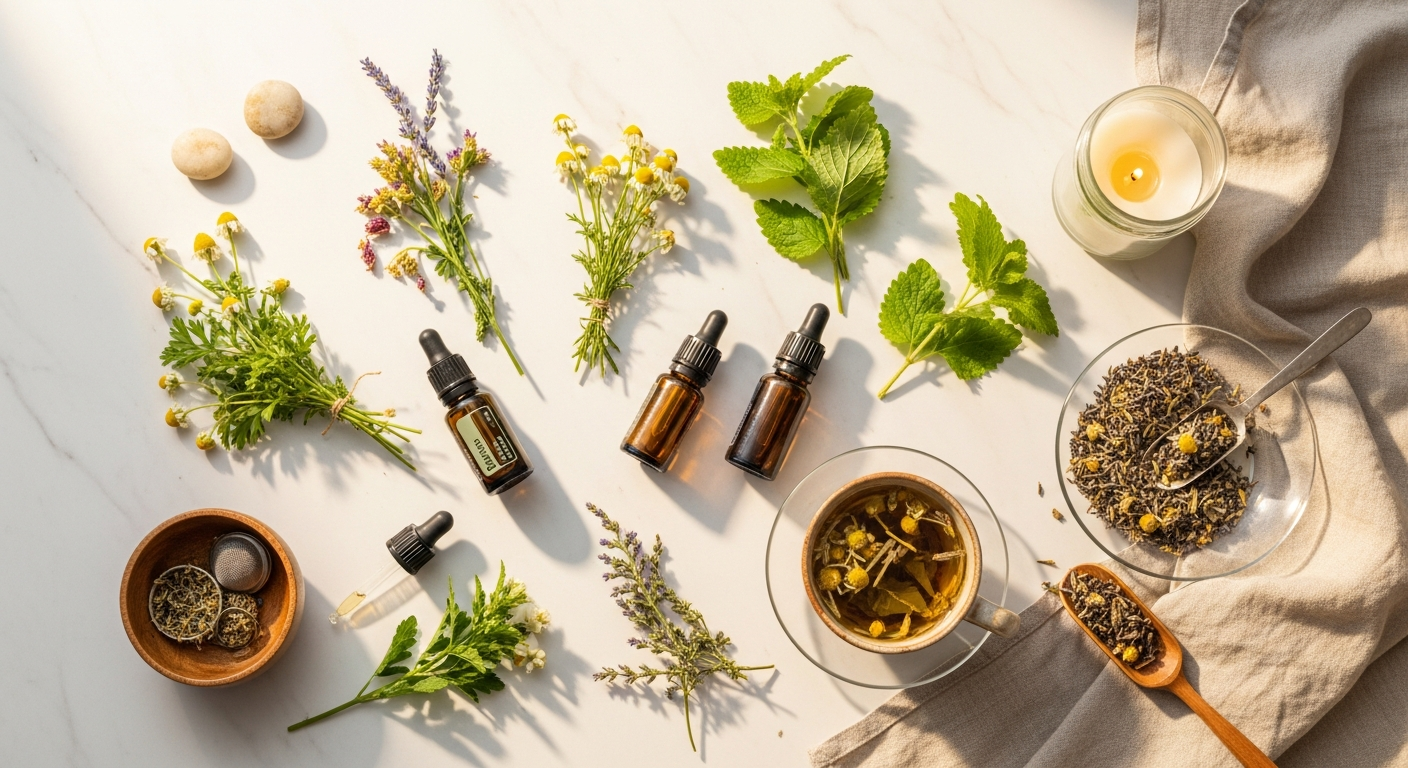
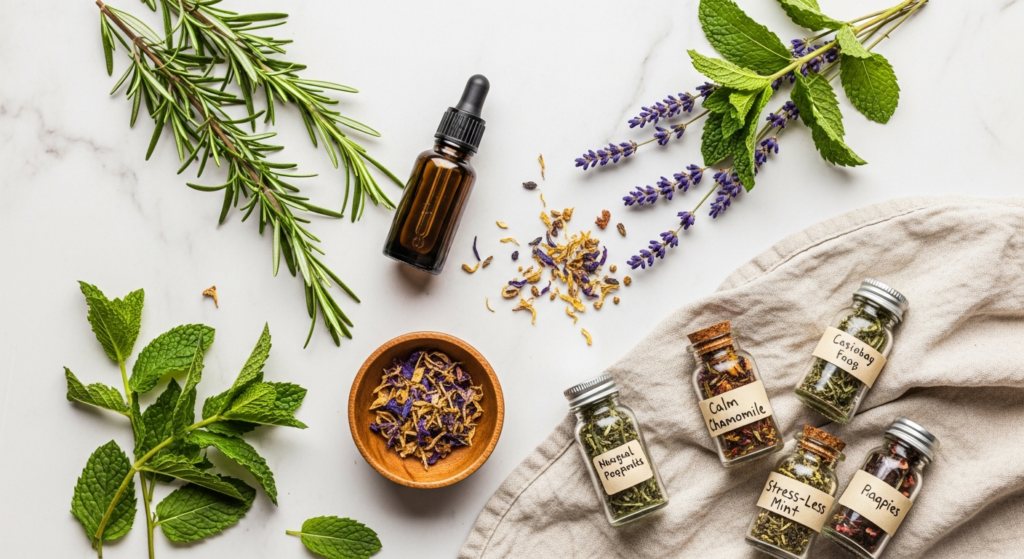
For millennia, humans have turned to the earth’s bounty for healing and comfort. Herbal teas, infusions made from the leaves, flowers, roots, and seeds of various plants, stand as a testament to this ancient wisdom. Unlike pharmaceutical interventions, which often target specific symptoms, herbal teas tend to work more subtly, supporting the body’s innate ability to find equilibrium. Their appeal lies not only in their therapeutic properties but also in the ritual surrounding their preparation and consumption.
The act of brewing a cup of herbal tea can itself be a meditative practice. The warmth of the mug, the aromatic steam, the slow seep of color into the water – these elements combine to create a mindful moment of pause, a gentle interruption in an otherwise hectic day. This ritual, when performed intentionally, can signal to your nervous system that it’s time to slow down, encouraging a shift from the sympathetic “fight or flight” response to the parasympathetic “rest and digest” state. This mindful approach to daily activities is a cornerstone of Reggae Lifestyle And Wellness, fostering a deeper connection to the present moment.
Beyond the ritual, the true power of herbal teas lies in their complex chemical compositions. Many herbs contain compounds known as nervines, which are substances that act on the nervous system to soothe, relax, and reduce tension. Others are adaptogens, helping the body adapt to stress and maintain balance. Flavonoids, terpenes, alkaloids, and essential oils are just some of the bioactive compounds found in various herbs that contribute to their calming effects. These natural constituents interact with neurotransmitters, receptors, and enzymatic pathways in the brain, gently modulating mood, promoting relaxation, and improving sleep quality without the harsh side effects often associated with synthetic drugs.
Moreover, the hydration provided by drinking tea is beneficial in itself. Dehydration can exacerbate feelings of anxiety and fatigue, so a warm, nourishing cup of herbal tea addresses multiple aspects of well-being simultaneously. Choosing herbal teas for anxiety and stress is an affirmation of a natural, sustainable approach to health, aligning with a desire to live in harmony with nature and one’s own body. It’s a gentle invitation to slow down, listen to your body, and allow nature’s remedies to work their quiet magic.
Top Herbal Teas for Anxiety and Stress Relief
Chamomile (Matricaria recutita)
Perhaps the most famous of all calming teas, chamomile has been cherished for centuries for its gentle yet potent sedative properties. Its delicate, apple-like aroma is instantly soothing, making it a perfect evening beverage. The primary active compound in chamomile responsible for its anxiolytic (anxiety-reducing) effects is apigenin, a flavonoid. Apigenin binds to benzodiazepine receptors in the brain, similar to how anti-anxiety medications work, but without the strong side effects, leading to a mild sedative effect that promotes relaxation and sleep.
- Benefits: Reduces general anxiety, improves sleep quality, soothes digestive upset often linked to stress, and has anti-inflammatory properties.
- Preparation: Steep 1-2 teaspoons of dried chamomile flowers in hot water for 5-10 minutes. Enjoy 1-3 times daily, especially before bedtime.
- Considerations: Generally safe, but those with ragweed allergies might experience reactions.
Lavender (Lavandula angustifolia)
More than just a beautiful, fragrant flower, lavender possesses powerful therapeutic properties. Its essential oil, particularly rich in linalool and linalyl acetate, has been extensively studied for its calming effects on the nervous system. These compounds are believed to interact with GABA receptors in the brain, helping to calm overactive neural activity and reduce feelings of agitation and stress. The aroma alone can trigger relaxation, making it a multi-sensory experience.
- Benefits: Alleviates anxiety, improves mood, promotes restful sleep, and can reduce symptoms of depression. The scent is also highly therapeutic.
- Preparation: Use a small amount (1 teaspoon) of culinary-grade dried lavender flowers per cup, steeped for 5-7 minutes. Over-steeping can make it bitter.
- Considerations: Ensure you use food-grade lavender. Avoid if pregnant or breastfeeding without consulting a doctor.
Lemon Balm (Melissa officinalis)
Lemon balm, a member of the mint family, lives up to its name with a bright, citrusy aroma and a profoundly uplifting yet calming effect. It has been used since the Middle Ages to reduce stress and anxiety, promote sleep, and improve appetite. Its anxiolytic properties are attributed to compounds like rosmarinic acid, which increases the availability of GABA in the brain, and eugenol, which has sedative qualities. It’s particularly effective for stress-induced digestive issues.
- Benefits: Reduces anxiety and agitation, improves sleep, enhances cognitive function, and soothes digestive discomfort.
- Preparation: Steep 1-2 teaspoons of dried lemon balm leaves in hot water for 10-15 minutes to extract its full benefits.
- Considerations: Generally safe, but can interact with thyroid medications and sedatives.
Passionflower (Passiflora incarnata)
Passionflower is a beautiful vine with intricate flowers, traditionally used by indigenous peoples for its sedative and anxiolytic properties. Research suggests that passionflower boosts levels of GABA in the brain, which helps to calm nerve activity and promote relaxation. It’s often recommended for generalized anxiety disorder and insomnia, particularly when anxiety prevents sleep.
- Benefits: Significantly reduces anxiety, improves sleep quality, calms restlessness, and can help with symptoms of withdrawal.
- Preparation: Use 1 teaspoon of dried passionflower herb per cup, steeped for 10 minutes.
- Considerations: Can cause drowsiness; avoid driving or operating heavy machinery until you know how it affects you. Consult a doctor if taking sedatives.
Valerian Root (Valeriana officinalis)
Valerian root is one of the most well-researched herbal sleep aids and anxiolytics, known for its strong, distinctive aroma. Its primary mechanism involves increasing the amount of GABA available in the brain, thus acting as a mild tranquilizer. It’s often used for insomnia, nervousness, and restlessness, providing a deeper level of relaxation than some milder herbs.
- Benefits: Potent sleep aid, reduces anxiety and nervousness, helps with muscle tension, and can ease symptoms of restless leg syndrome.
- Preparation: Steep 1-2 teaspoons of dried valerian root in hot water for 10-15 minutes. Due to its strong taste, it’s often blended with other herbs. Best consumed 30-60 minutes before bedtime.
- Considerations: Can cause drowsiness and should not be combined with alcohol or other sedatives. Not recommended for long-term continuous use without professional guidance.
Holy Basil (Tulsi) (Ocimum sanctum)
Revered in Ayurvedic medicine as “The Incomparable One” and “Queen of Herbs,” Holy Basil is a powerful adaptogen. Adaptogens are herbs that help the body adapt to stress, normalizing physiological functions and protecting against the damaging effects of chronic stress. Tulsi helps regulate cortisol levels, the body’s primary stress hormone, thereby reducing the physical and mental burden of stress and improving resilience.
- Benefits: Reduces physical and mental stress, improves mood, enhances cognitive function, boosts immunity, and has anti-inflammatory properties.
- Preparation: Steep 1-2 teaspoons of dried tulsi leaves (or a tea bag) in hot water for 5-10 minutes. It has a unique, slightly spicy, clove-like flavor.
- Considerations: Generally safe for daily use. May lower blood sugar and thin blood, so caution is advised for those on related medications.
Green Tea (Camellia sinensis) – L-Theanine focus
While not traditionally considered an “herbal” tea in the same vein as the others (as it comes from the Camellia sinensis plant, like black tea), green tea deserves a mention due to its unique compound, L-Theanine. This amino acid is renowned for its ability to promote a state of relaxed alertness without causing drowsiness. L-Theanine increases alpha brain wave activity, associated with a calm, focused state, and also influences neurotransmitters like GABA, serotonin, and dopamine, which regulate mood and emotion.
- Benefits: Promotes calm focus, reduces anxiety and stress, improves attention, and supports overall cognitive health.
- Preparation: Steep green tea leaves in water that is just below boiling (around 175°F/80°C) for 2-3 minutes to prevent bitterness.
- Considerations: Contains caffeine, so be mindful of consumption, especially in the evening. Decaffeinated green tea still contains L-Theanine.
Incorporating Teas into a Holistic Wellness Routine
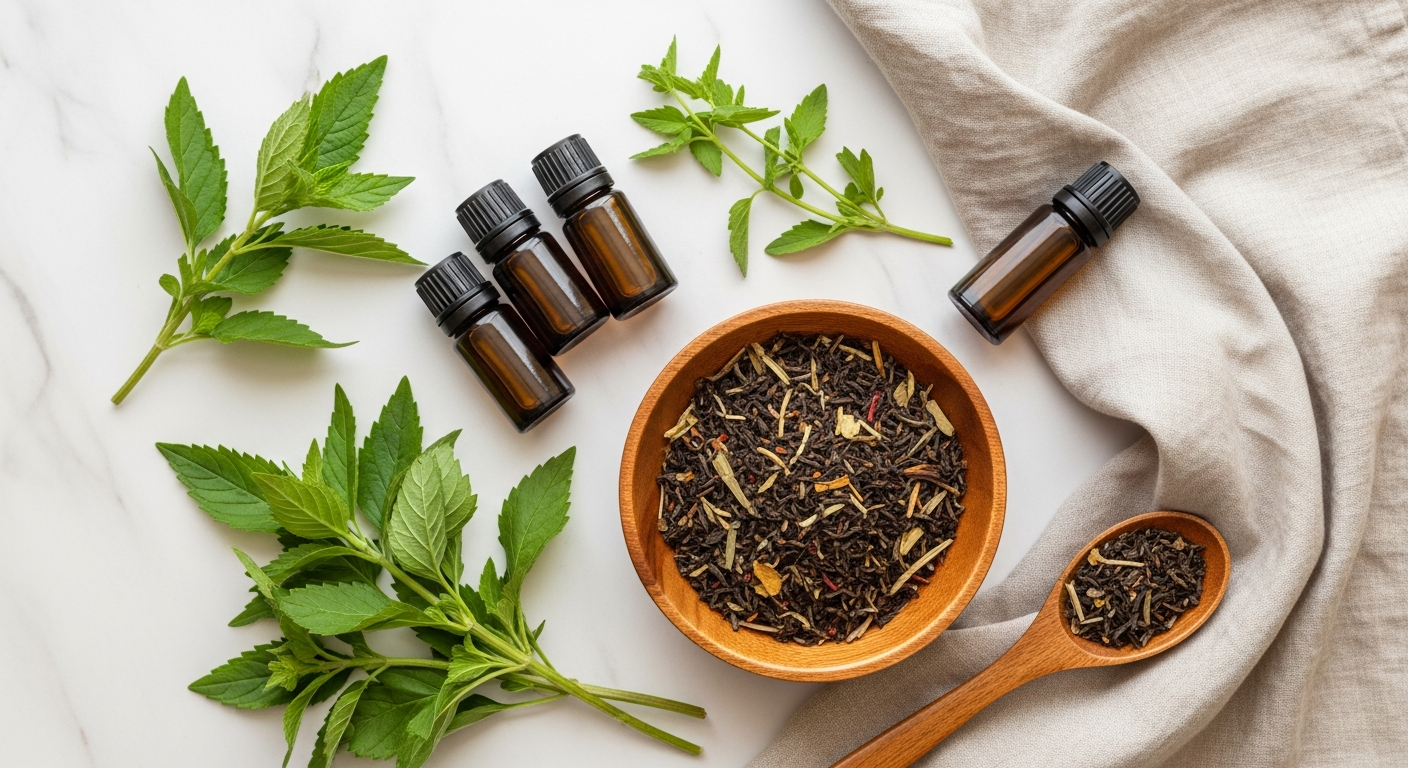
The true power of herbal teas for anxiety and stress is unleashed when they are integrated into a broader, holistic approach to wellness. At Heartbeat Reggae, we advocate for a lifestyle that nourishes the mind, body, and spirit, drawing inspiration from the Reggae Lifestyle And Wellness philosophy. This means viewing your daily cup of tea not just as a beverage, but as a deliberate act of self-care, a moment to reconnect with your inner rhythm.
Consider pairing your tea ritual with other calming practices. Imagine settling down with a warm cup of lemon balm tea while listening to the soothing, meditative rhythms of Reggae Music Health Benefits. The gentle bass lines and conscious lyrics of reggae music can create an auditory sanctuary, further enhancing the tea’s calming effects. The synergy between the two can amplify feelings of peace and reduce mental chatter, allowing you to fully immerse yourself in a state of relaxation. This combination provides a powerful double-dose of tranquility, addressing both the physiological and psychological aspects of stress.
Furthermore, incorporating herbal teas can complement practices like Intermittent Fasting Mental Clarity. Many who practice intermittent fasting report enhanced mental focus and reduced brain fog during their fasting windows. Introducing a non-caloric herbal tea during these periods, such as holy basil or green tea (decaffeinated, or in moderation if caffeine is tolerated), can further support mental sharpness while also providing calming benefits without breaking the fast. The clean, focused state achieved through intermittent fasting makes the subtle effects of adaptogenic and nervine teas even more noticeable, helping to sustain a balanced mood and provide gentle energy throughout the day.
Beyond specific practices, integrating teas means cultivating mindfulness in your daily routine. Take a moment to truly savor your tea – notice its aroma, its warmth, its taste. This simple act can transform a mundane habit into a powerful anchor for presence. Ensure you’re also prioritizing other pillars of wellness: adequate sleep, regular movement, a balanced diet rich in whole foods, and meaningful social connections. Herbal teas act as a supportive ally in this journey, a gentle nudge towards greater self-awareness and self-care. They remind us that sometimes, the most profound healing comes from slowing down and embracing the simple, natural gifts of the earth.
Brewing for Bliss: Tips for Maximizing Your Tea’s Benefits
To truly unlock the therapeutic potential of your herbal teas, a few simple tips can make all the difference. The quality of your ingredients and the care in preparation are paramount, ensuring that each cup is a potent elixir for calm.
- Source High-Quality Herbs: Always opt for organic, loose-leaf herbs from reputable suppliers. Pre-packaged tea bags can sometimes contain lower quality or powdered herbs, and the material of the bag itself can sometimes leach unwanted chemicals. Loose leaf allows for better infusion and a richer concentration of beneficial compounds.
- Use the Right Water Temperature: Most herbal teas benefit from nearly boiling water (around 200-212°F or 93-100°C). This extracts the maximum amount of active compounds. Green tea, however, is an exception; use slightly cooler water (around 175°F or 80°C) to prevent bitterness and preserve its delicate compounds.
- Steep for the Recommended Time: Don’t rush the process. Most herbal infusions require 5-15 minutes of steeping, covered, to fully release their medicinal properties. Roots (like valerian) often need longer steeping times than leaves or flowers. Covering your cup or teapot during steeping helps to trap volatile essential oils, which are crucial for the herb’s aroma and therapeutic effects.
- Mindful Consumption: Turn your tea time into a ritual. Put away distractions, find a quiet space, and focus on the warmth, aroma, and taste of your tea. This mindful approach enhances the tea’s calming effects and provides a much-needed mental break.
- Listen to Your Body: Pay attention to how different teas affect you. What works wonders for one person might not be ideal for another. Experiment with different herbs and blends to find what resonates best with your unique system and preferences.
- Consistency is Key: For chronic anxiety and stress, consistent daily consumption of herbal teas is often more effective than sporadic use. Integrate them into your routine, perhaps a calming chamomile before bed or an adaptogenic holy basil in the morning, to build their cumulative benefits over time.
By following these guidelines, you transform a simple act of drinking tea into a powerful, intentional practice that supports your mental and emotional well-being, helping you cultivate a deeper sense of peace and resilience in 2026.
Important Considerations and When to Consult a Professional
While herbal teas offer a gentle and effective approach to managing anxiety and stress, it’s crucial to approach their use with awareness and responsibility. Natural does not always mean entirely without risk, and individual responses can vary. Here are some important considerations:
Potential Interactions with Medications: Many herbs can interact with prescription medications. For example, valerian root and passionflower can enhance the effects of sedatives, antidepressants, and anti-anxiety medications. St. John’s Wort, though not listed as a tea here, is a powerful herb known for numerous drug interactions, including with antidepressants and birth control. Always inform your doctor or pharmacist about any herbal supplements or teas you are consuming, especially if you are on prescription medication for any condition, including anxiety or depression.
Pregnancy and Breastfeeding: The use of many herbs is not recommended during pregnancy or breastfeeding due to insufficient research on their safety for the developing fetus or infant. Always consult with a healthcare professional before consuming any herbal teas if you are pregnant, planning to become pregnant, or breastfeeding.
Allergies: If you have known allergies to certain plants (e.g., ragweed), be cautious with herbs from the same botanical family, such as chamomile, which can trigger allergic reactions in sensitive individuals.
Underlying Health Conditions: Certain health conditions may contraindicate the use of specific herbs. For instance, lemon balm can interact with thyroid medications, and holy basil might affect blood sugar levels. If you have a chronic health condition, discuss your herbal tea choices with your doctor.
Dosage and Duration: Stick to recommended dosages. More is not always better, and excessive consumption of some herbs can lead to adverse effects. For chronic conditions, it’s often best to cycle herbs or take breaks to prevent dependency or reduced efficacy over time. Long-term continuous use of potent herbs like valerian root should ideally be supervised by a qualified herbalist or healthcare practitioner.
When to Seek Professional Help: Herbal teas are excellent for mild to moderate anxiety and stress management. However, they are not a substitute for professional medical or psychological care for severe anxiety disorders, panic attacks, chronic depression, or other serious mental health conditions. If your anxiety or stress is significantly impacting your daily life, relationships, or work, or if you experience persistent feelings of hopelessness, severe panic, or suicidal thoughts, it is imperative to seek immediate help from a doctor, therapist, or mental health professional. A holistic approach often involves a combination of natural remedies, lifestyle changes, and professional guidance tailored to your individual needs.
By being informed and proactive, you can safely and effectively incorporate herbal teas into your wellness journey, using them as a powerful tool to support your mental and emotional health in 2026 and beyond.
Frequently Asked Questions
Recommended Resources
Related reading: How To Date Intentionally In 2026 (Stop Phubbing).
Learn more about this topic in Breathing Exercises For Anxiety And Stress at Stop Phubbing.