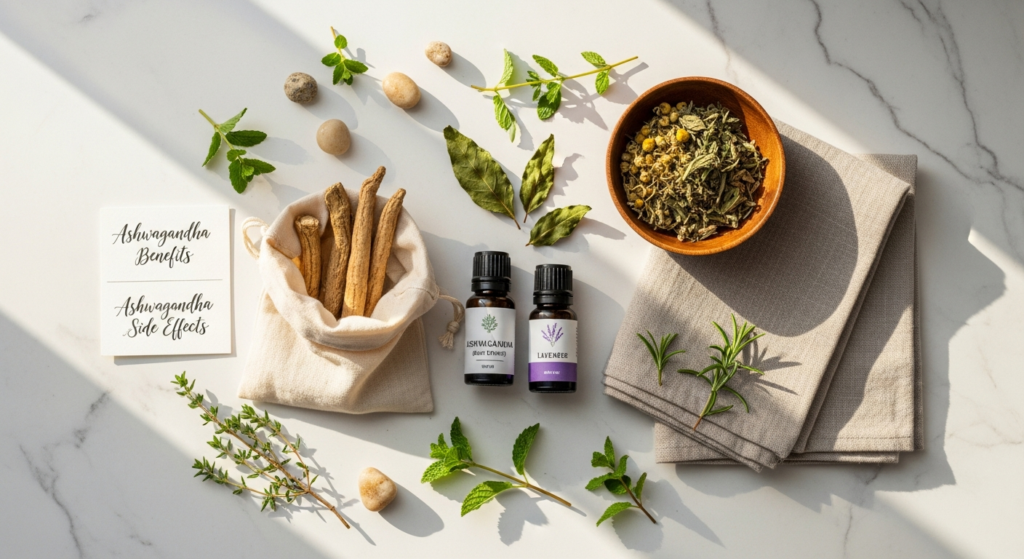
What is Ashwagandha? Unveiling the “Indian Ginseng”
Ashwagandha, scientifically known as Withania somnifera, is a small evergreen shrub native to India, the Middle East, and parts of Africa. Its name is derived from Sanskrit, with “ashva” meaning horse and “gandha” meaning smell, alluding to the distinct scent of its root and the traditional belief that consuming it can impart the strength and vitality of a horse. For over 3,000 years, ashwagandha has been a cornerstone of Ayurveda, one of the world’s oldest holistic healing systems, revered for its rejuvenating and restorative properties.
At the heart of ashwagandha’s therapeutic power lies its classification as an adaptogen. Adaptogens are a unique class of herbs that help the body adapt to various stressors, whether physical, chemical, or biological, promoting homeostasis and resilience. Unlike stimulants, which can deplete the body over time, adaptogens work to normalize physiological functions, supporting the adrenal glands and the body’s overall stress response system. This makes ashwagandha particularly relevant in our fast-paced world, where chronic stress is a pervasive issue, often hindering our ability to thrive and enjoy the natural flow of life, much like an off-key rhythm disrupts a reggae melody.
The primary active compounds responsible for ashwagandha’s medicinal properties are called withanolides. These naturally occurring steroids are found predominantly in the root of the plant and are believed to exert a wide range of pharmacological effects, including anti-inflammatory, antioxidant, anti-stress, and neuroprotective actions. The quality and efficacy of ashwagandha supplements are often determined by the concentration of these withanolides, with standardized extracts typically guaranteeing a certain percentage, ensuring you receive a potent and consistent dose.
Understanding what ashwagandha is lays the groundwork for appreciating its diverse benefits. Its ancient roots in traditional medicine, coupled with modern scientific validation, position it as a powerful ally in holistic health. As we embrace a Reggae Lifestyle And Wellness approach, incorporating natural remedies like ashwagandha aligns perfectly with the philosophy of living in harmony with nature and nurturing our bodies with earth’s gifts. This foundational knowledge helps us navigate its potential uses and ensures we approach its integration into our wellness routines with informed respect.
The Abundant Benefits of Ashwagandha for Mind and Body
The widespread appeal of ashwagandha stems from its multifaceted benefits, touching upon various aspects of physical and mental well-being. Its adaptogenic nature allows it to address several interconnected health concerns, making it a valuable addition to a holistic wellness regimen.
Stress and Anxiety Reduction
Perhaps ashwagandha’s most celebrated benefit is its remarkable ability to reduce stress and anxiety. In an increasingly demanding world, chronic stress can wreak havoc on our physical and mental health. Ashwagandha works by modulating the body’s stress response system, specifically by lowering levels of cortisol, the primary stress hormone. Studies have shown that regular ashwagandha supplementation can significantly reduce perceived stress, improve mood, and alleviate symptoms of anxiety. This calming effect can be profoundly beneficial, allowing individuals to maintain a more centered and peaceful state, akin to finding solace in the meditative flow of a reggae drumbeat. For those seeking enhanced mental clarity, particularly when practicing techniques like Intermittent Fasting Mental Clarity, ashwagandha can provide a supportive foundation by mitigating the mental fog often associated with stress.
Improved Sleep Quality
Given its Sanskrit name Withania somnifera, which translates to “sleep-inducing,” it’s no surprise that ashwagandha is traditionally used to promote restful sleep. Its stress-reducing properties naturally contribute to better sleep by calming the nervous system and making it easier to fall asleep and stay asleep. Research indicates that ashwagandha can improve overall sleep quality and duration, helping individuals wake up feeling more refreshed and rejuvenated. This benefit is crucial for holistic wellness, as adequate sleep is fundamental for physical repair, cognitive function, and emotional balance.
Enhanced Cognitive Function
Ashwagandha has shown promise in supporting brain health and cognitive function. Its antioxidant properties protect brain cells from damage, while its ability to reduce stress can indirectly improve focus and memory. Some studies suggest it can enhance memory, attention, and information processing speed. For individuals striving for optimal mental performance, perhaps alongside practices like Intermittent Fasting Mental Clarity, ashwagandha can act as a natural cognitive enhancer, helping to sharpen the mind and sustain concentration throughout the day. This aligns with the Reggae Lifestyle And Wellness emphasis on mental clarity and thoughtful living.
Boosted Energy and Endurance
Despite its calming effects, ashwagandha is also known to boost energy levels and improve physical endurance. It helps the body manage energy expenditure more efficiently and reduces fatigue, allowing for greater stamina during physical activities. This makes it popular among athletes and individuals looking to enhance their physical performance and overall vitality. The herb supports mitochondrial health, which is essential for cellular energy production, contributing to a sustained sense of vigor without the jitters associated with stimulants.
Support for Immune System
A robust immune system is vital for overall health, and ashwagandha has demonstrated immunomodulatory effects. It can help strengthen the body’s defense mechanisms, making it more resilient against infections and illnesses. By reducing stress, which can suppress immune function, ashwagandha indirectly supports a healthier immune response. Its anti-inflammatory and antioxidant properties further contribute to its immune-boosting capabilities, helping the body maintain optimal health and ward off pathogens.
Hormonal Balance
Anti-inflammatory Properties
Chronic inflammation is at the root of many modern diseases. Ashwagandha contains compounds that exhibit significant anti-inflammatory effects, helping to reduce inflammation throughout the body. This can translate to relief from conditions like arthritis and improved overall tissue health. Its ability to combat inflammation contributes to its wide range of therapeutic benefits, promoting healing and reducing discomfort.
Potential for Muscle Strength and Recovery
Emerging research suggests that ashwagandha may contribute to increased muscle mass and strength, particularly when combined with resistance training. It can also aid in muscle recovery by reducing exercise-induced muscle damage and inflammation. This makes it an attractive supplement for those engaged in regular physical activity, supporting both performance and post-workout recuperation. This benefit complements an active Reggae Lifestyle And Wellness, encouraging physical vitality.
The breadth of ashwagandha’s benefits underscores its value as a comprehensive wellness tool. From calming the mind to strengthening the body, its adaptogenic nature offers a holistic approach to health, resonating deeply with the principles of natural healing and balance inherent in a mindful lifestyle. Just as Reggae Music Health Benefits extend beyond mere entertainment to promote relaxation and community, ashwagandha’s advantages extend across numerous physiological systems, fostering overall harmony.
Navigating the Potential Side Effects of Ashwagandha
While ashwagandha is generally considered safe for most people when taken at recommended dosages, it’s crucial to be aware of its potential side effects and contraindications. Like any potent herb or supplement, individual responses can vary, and what works well for one person might not be suitable for another. Understanding these aspects ensures a safe and informed approach to incorporating ashwagandha into your wellness routine.
Common Mild Side Effects
Most reported side effects of ashwagandha are mild and temporary, often occurring when starting supplementation or taking higher doses. These can include:
- Digestive Upset: Some individuals may experience stomach upset, nausea, vomiting, or diarrhea. Taking ashwagandha with food can often help mitigate these symptoms.
- Drowsiness or Sedation: Given its traditional use as a sleep aid and its calming effects, some people might experience drowsiness, especially at higher doses. It’s advisable to assess your individual response before operating machinery or driving.
- Headache: A small percentage of users report mild headaches.
Less Common or More Serious Side Effects
While rare, more serious side effects can occur, particularly in individuals with pre-existing conditions or when interacting with certain medications:
- Liver Issues: There have been isolated case reports of liver injury associated with ashwagandha use, though the direct causal link is not always clear and may be related to contaminants or individual sensitivities. If you have a history of liver disease, consult your doctor before use.
- Thyroid Interactions: Ashwagandha can increase thyroid hormone levels. While beneficial for those with subclinical hypothyroidism, it can be problematic for individuals with hyperthyroidism or those taking thyroid medications, potentially leading to excessive thyroid hormone levels.
- Blood Sugar and Blood Pressure Interactions: Ashwagandha can lower blood sugar and blood pressure. While beneficial for some, it can lead to hypoglycemia (low blood sugar) or hypotension (low blood pressure) in individuals already on medications for these conditions.
- Allergic Reactions: Though uncommon, allergic reactions (skin rash, itching, swelling, difficulty breathing) are possible. Discontinue use immediately if these occur.
Contraindications and Precautions
Certain populations and conditions warrant caution or complete avoidance of ashwagandha:
- Pregnancy and Breastfeeding: Ashwagandha is traditionally used as an abortifacient in high doses and is generally advised against during pregnancy. Its safety during breastfeeding has not been sufficiently studied, so it’s best to avoid it.
- Autoimmune Diseases: As an immune modulator, ashwagandha may stimulate the immune system, potentially exacerbating symptoms in individuals with autoimmune conditions such as rheumatoid arthritis, lupus, or Hashimoto’s thyroiditis. Consult a specialist before use.
- Surgery: Ashwagandha may slow down the central nervous system, potentially interacting with anesthesia and other medications used during and after surgery. It’s typically recommended to stop taking ashwagandha at least two weeks before any scheduled surgery.
- Medication Interactions: Ashwagandha can interact with various medications, including:
- Sedatives (e.g., benzodiazepines, barbiturates) due to its sedative properties.
- Immunosuppressants (e.g., corticosteroids, medications for organ transplant) as it may stimulate the immune system.
- Thyroid medications (e.g., levothyroxine) due to its effect on thyroid hormone levels.
- Blood sugar-lowering medications (e.g., insulin, metformin) due to its hypoglycemic effects.
- Blood pressure-lowering medications due to its hypotensive effects.
The key to safely navigating ashwagandha’s potential side effects lies in responsible use, starting with low doses, listening to your body, and most importantly, consulting with a healthcare professional before starting any new supplement, especially if you have underlying health conditions or are taking other medications. This cautious approach aligns with the mindful and holistic philosophy of the Reggae Lifestyle And Wellness, prioritizing well-being and informed choices.
Dosage, Forms, and How to Incorporate Ashwagandha into Your Wellness Journey
Once you’ve understood the benefits and potential side effects, the next step is to consider how to effectively and safely incorporate ashwagandha into your daily routine. The effectiveness of ashwagandha can depend significantly on its form, dosage, and consistent use.
Standardized Extracts and Forms
Ashwagandha is available in several forms, but standardized extracts are generally recommended for consistent potency. These extracts are typically standardized to contain a specific percentage of withanolides, the active compounds. A common standardization is 2.5% to 5% withanolides.
- Capsules/Tablets: This is the most common and convenient form, offering precise dosing. Look for products that specify the withanolide content.
- Powder: Ashwagandha root powder can be mixed into smoothies, milk, tea, or even water. While versatile, the taste can be strong and earthy. Dosage can be less precise if not measured carefully.
- Liquid Extracts/Tinctures: These offer a concentrated form that can be absorbed quickly. They are often alcohol-based, so check labels if you prefer alcohol-free options.
Recommended Dosages
Dosages can vary depending on the condition being addressed, the concentration of the extract, and individual sensitivity. There isn’t a universally agreed-upon “perfect” dose, but general guidelines from research and traditional use suggest:
- For General Stress Reduction and Anxiety: Doses typically range from 300 mg to 600 mg of a standardized extract (containing 2.5-5% withanolides) per day. This is often split into two doses (e.g., 300 mg twice daily).
- For Sleep Improvement: A single dose of 300-500 mg taken about 30 minutes to an hour before bedtime is often recommended.
- For Cognitive Support: Similar to stress reduction, 300-500 mg daily.
- For Physical Performance and Muscle Strength: Doses might be slightly higher, ranging from 500 mg to 1250 mg daily, often taken in divided doses.
It’s always wise to start with the lowest effective dose and gradually increase it if needed, while monitoring your body’s response. Always follow the dosage instructions on the product label and consult with a healthcare professional for personalized advice, especially if you have specific health concerns.
Timing of Doses
The best time to take ashwagandha can depend on your primary goal:
- For Stress & Energy: Many people prefer to take ashwagandha in the morning to help manage daily stressors and maintain energy levels throughout the day. Some split the dose, taking half in the morning and half in the afternoon.
- For Sleep: If your main goal is to improve sleep, taking your dose in the evening, about an hour before bed, is most effective.
Taking ashwagandha with food can help minimize potential digestive upset, particularly for those with sensitive stomachs.
Consistency is Key
Integrating into a Holistic Routine
For optimal results, ashwagandha should be integrated into a broader wellness strategy. This includes a balanced diet, regular physical activity, adequate sleep, and stress management techniques. For example, combining ashwagandha with practices that promote mental clarity, such as meditation or even Intermittent Fasting Mental Clarity, can amplify its cognitive benefits. Similarly, pairing its use with the uplifting and calming effects of Reggae Music Health Benefits can create a synergistic environment for overall well-being. By viewing ashwagandha as one piece of a larger wellness puzzle, you can maximize its potential and foster a truly holistic approach to health.
Remember, the journey to wellness is personal and evolving. Finding the right dosage and form of ashwagandha that works for your unique physiology and lifestyle is a process of mindful experimentation and, ideally, professional guidance. By making informed choices, you empower yourself to harness the full potential of this ancient herb.
Ashwagandha and the Reggae Lifestyle: A Harmonious Blend
The connection between ancient herbal wisdom and a modern holistic lifestyle is profound. For those who embrace the Reggae Lifestyle And Wellness, the integration of ashwagandha feels incredibly natural and harmonious. This lifestyle, deeply rooted in principles of peace, unity, and a natural connection to the earth, finds a powerful ally in this adaptogenic herb. Just as reggae music promotes healing and introspection, ashwagandha offers a physiological pathway to inner balance and resilience.
The core tenets of the reggae lifestyle emphasize living in harmony with nature, nurturing the body with wholesome foods, seeking mental clarity, and fostering a sense of community and peace. Ashwagandha, with its ability to reduce stress, improve sleep, and enhance cognitive function, directly supports these principles. Imagine starting your day with a sense of calm and focused energy, cultivated by ashwagandha, then flowing into your day with the conscious rhythms of reggae music. The synergy is palpable: the herb helps ground your physiology, while the music elevates your spirit, creating a holistic environment for well-being.
The stress-reducing benefits of ashwagandha are particularly resonant with the reggae ethos. In a world often filled with “Babylon” pressures and anxieties, finding natural ways to maintain inner peace is crucial. Ashwagandha acts as a shield, helping the body adapt to stressors rather than being overwhelmed by them. This resilience allows for a more contemplative and peaceful existence, enabling individuals to better embody the “one love” philosophy and navigate challenges with equanimity. This mirrors the way Reggae Music Health Benefits include its profound ability to soothe the mind and promote mental fortitude in the face of adversity.
Furthermore, the reggae lifestyle often encourages mindful eating and natural remedies. Incorporating ashwagandha, a plant-based supplement with a long history of traditional use, aligns perfectly with this preference for natural, earth-derived solutions. Whether consumed as a powder in a morning smoothie or as a capsule, it becomes a conscious choice to nourish the body with nature’s bounty. This extends to practices like Intermittent Fasting Mental Clarity, where ashwagandha’s cognitive support can enhance the mental benefits derived from such mindful eating patterns, further integrating ancient wisdom into contemporary wellness practices.
The emphasis on vitality and longevity within the reggae community also finds support in ashwagandha’s benefits. Its potential to boost energy, improve physical endurance, and support overall immune function contributes to a robust and active life. This isn’t about chasing fleeting highs, but about building sustained strength and well-being, allowing one to dance to the riddim of life with vigor and joy well into 2026 and beyond. The herb’s contribution to hormonal balance and anti-inflammatory action also speaks to a commitment to preventative health, a cornerstone of sustainable wellness.
In essence, ashwagandha isn’t just a supplement; it’s a tool that complements the journey towards a more conscious, balanced, and vibrant life. For those who walk the path of the Reggae Lifestyle And Wellness, ashwagandha can be a powerful ally, helping to harmonize the mind, body, and spirit, much like the perfect blend of bass, drums, and melody creates an unforgettable reggae tune. It reinforces the idea that true wellness comes from respecting and working with the natural world, fostering a deeper connection to ourselves and the planet.
Key Considerations and Best Practices for Ashwagandha Use
To maximize the benefits of ashwagandha and ensure its safe and effective integration into your wellness routine, several key considerations and best practices should be kept in mind. Approaching any supplement with mindfulness and an informed perspective is essential for achieving desired outcomes and maintaining overall health.
Prioritize Quality Sourcing
The efficacy and safety of ashwagandha supplements are heavily dependent on their quality. Look for products that are:
- Organic: This minimizes exposure to pesticides and herbicides, ensuring a purer product.
- Third-Party Tested: Independent laboratory testing verifies the product’s purity, potency, and absence of contaminants like heavy metals, microbes, or adulterants. This is a critical indicator of a reputable brand.
- Standardized Extracts: As mentioned earlier, choose products standardized to a specific percentage of withanolides (e.g., 2.5% to 5%) to ensure consistent potency.
- Reputable Brands: Research brands that have a track record of transparency and positive customer reviews.
Investing in a high-quality product is a small price to pay for peace of mind and effective results, especially when dealing with something that affects your body’s delicate systems.
Patience for Results
Ashwagandha is not a quick-acting solution. Its adaptogenic effects build up gradually over time as it helps your body rebalance and adapt to stress. Most individuals report noticeable benefits after consistent use for several weeks to a few months. Do not expect immediate dramatic changes, particularly for chronic conditions. Embrace patience, much like the slow, steady build of a reggae riddim, knowing that sustained effort yields lasting harmony. Integrate it as a consistent part of your daily routine for optimal long-term benefits.
Combine with Other Healthy Habits
Ashwagandha works best as part of a holistic wellness strategy, not as a standalone miracle cure. Its benefits are amplified when combined with other healthy lifestyle choices:
- Balanced Diet: Fuel your body with nutrient-dense, whole foods.
- Regular Exercise: Physical activity is a powerful stress reliever and mood booster.
- Adequate Sleep: Prioritize 7-9 hours of quality sleep each night.
- Stress Management: Incorporate practices like meditation, deep breathing, spending time in nature, or listening to calming Reggae Music Health Benefits to manage daily stressors.
- Mindful Practices: Techniques such as Intermittent Fasting Mental Clarity, when appropriate for you, can complement ashwagandha’s cognitive benefits.
These practices work synergistically, creating a comprehensive approach to well-being that resonates with the Reggae Lifestyle And Wellness philosophy.
Listen to Your Body and Adjust
Everyone’s body responds differently to supplements. Pay close attention to how you feel after starting ashwagandha. If you experience any adverse effects, reduce the dosage or discontinue use. If you notice positive changes, you can continue with your current dosage. The goal is to find what works best for your unique physiology and needs.
When to Consult a Healthcare Professional
While ashwagandha is widely available, it’s crucial to consult a healthcare professional before starting any new supplement, especially if:
- You are pregnant or breastfeeding.
- You have any pre-existing medical conditions (e.g., autoimmune diseases, thyroid disorders, diabetes, blood pressure issues, liver disease).
- You are taking any prescription medications (e.g., sedatives, immunosuppressants, thyroid hormones, blood sugar or blood pressure medications).
- You are scheduled for surgery.
- You experience persistent or severe side effects.
A doctor or qualified healthcare provider can offer personalized advice, assess potential interactions, and ensure ashwagandha is a safe and appropriate choice for your individual health profile. This proactive approach ensures responsible self-care and aligns with the mindful living promoted by the reggae community.
By adhering to these best practices, you can confidently and effectively integrate ashwagandha into your journey towards optimal health and well-being in 2026 and beyond, harnessing its ancient power to navigate modern challenges with grace and resilience.
Frequently Asked Questions
Recommended Resources
You might also enjoy How To Practice Digital Wellness Daily from Stop Phubbing.
You might also enjoy Dating After Divorce Advice For Adults from Stop Phubbing.